In This Program
The Concert
Saturday, August 1, 2026, at 7:30pm
Sarah Hicks conducting
Andrew Bird
San Francisco Symphony
Andrew Bird
(arr. Nate Thatcher)
The Mysterious Production of Eggs (Side A)
/=/
Sovay
A Nervous Tic Motion of the Head to the Left
Fake Palindromes
Measuring Cups
Banking on a Myth
Masterfade
Opposite Day
Intermission
Maurice Ravel
Pavane pour une infante défunte (1899/1910)
Andrew Bird
(arr. Nate Thatcher)
The Mysterious Production of Eggs (Side B)
Skin Is, My
The Naming of Things
MX Missiles
/=/=/
Tables and Chairs
The Happy Birthday Song
Andrew Bird
(arr. Nate Thatcher)
Orpheo Looks Back
Three White Horses
About the Artists
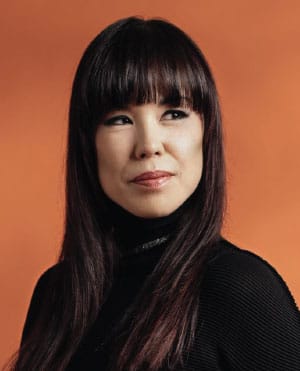
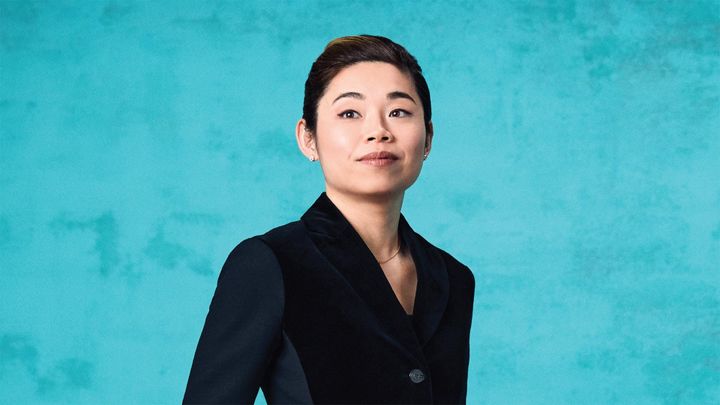
Sarah Hicks
Sarah Hicks is a conductor, educator, arranger, producer, writer, and speaker committed to creating connections through music. She has collaborated with diverse artists including Hilary Hahn, Dmitri Hvorostovsky, Rufus Wainwright, Ben Folds, Jennifer Hudson, Smokey Robinson, and Sting. Her passion for cross-genre partnerships led to a 2019 album with rap artist Dessa and the Minnesota Orchestra, where she is principal conductor of Live at Orchestra Hall.
Hicks made her San Francisco Symphony debut in July 2009 and has also worked with the Philadelphia Orchestra, Chicago Symphony, Cleveland Orchestra, Los Angeles Philharmonic, Boston Pops, Toronto Symphony, Melbourne Symphony, RTÉ Orchestra, Danish National Symphony, Czech National Symphony, Saint Petersburg Philharmonic, Tokyo Philharmonic, and Malaysian Philharmonic. Her commitment to new music led to a micro-commission project, and her recording of new concertos, Triple Doubles, has been released by the Bridge label. Her interest in the intersection of mental health and music led to the production of a concert titled Music and the Mind.
Born in Japan and raised in Hawaii, Hicks is fluent in Japanese and holds degrees from Harvard University and the Curtis Institute of Music.
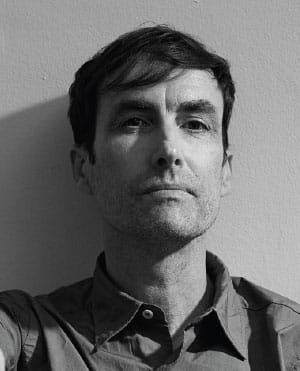
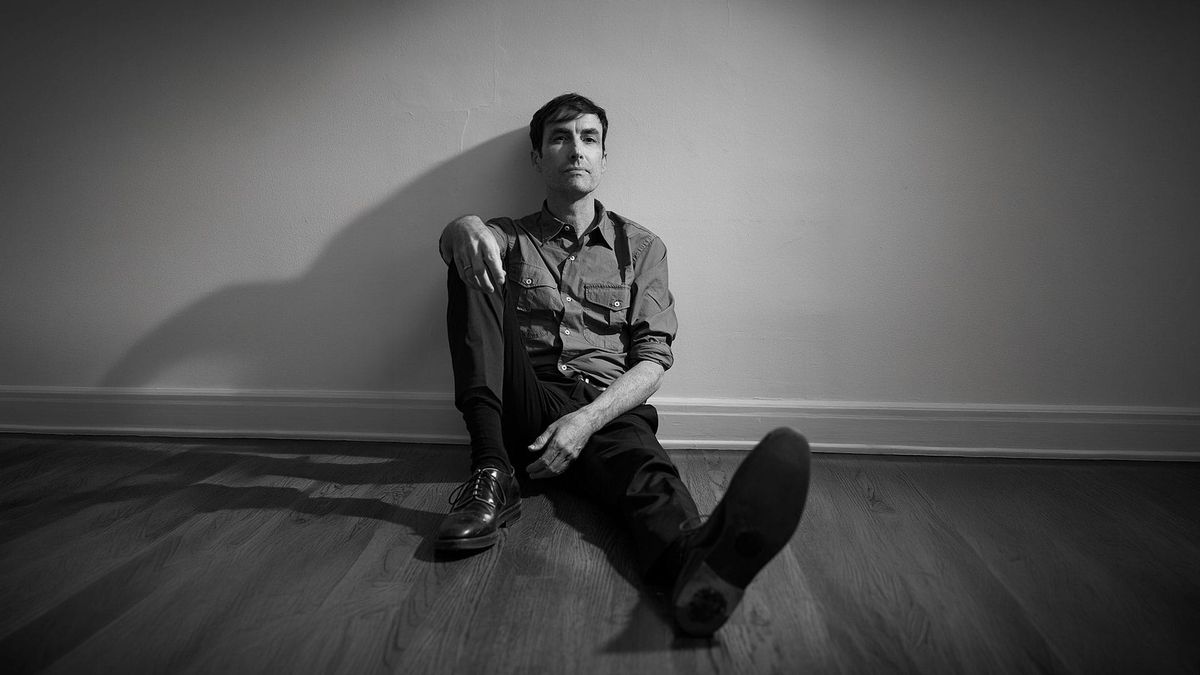
Andrew Bird
Andrew Bird is an internationally acclaimed Grammy Award–nominated multi- instrumentalist, vocalist, whistler, and songwriter who picked up his first violin at the age of four and spent his formative years soaking up classical repertoire completely by ear. Since beginning his recording career in 1997, Bird has released 17 albums and performed extensively across the globe. He has recorded with the Preservation Hall Jazz Band, appeared as “Dr. Stringz” on Jack’s Big Music Show, and headlined concerts at Carnegie Hall, Sydney Opera House, Disney Hall, Red Rocks Amphitheatre, and festivals worldwide.
Bird performed as the Whistling Caruso in Disney’s The Muppets movie, scored the FX series Baskets, and collaborated with inventor Ian Schneller on Sonic Arboretum, an installation that exhibited at New York’s Guggenheim Museum, Boston’s ICA, and the MCA Chicago. Bird has been a featured TED Talks presenter, a New Yorker Festival guest, and an op-ed contributor for the New York Times.
More recently, Bird released a series of site-specific improvisational short films and recordings called “echolocations,” recorded in remote and acoustically interesting spaces: a Utah canyon, an abandoned seaside bunker, the middle of the Los Angeles River, and a reverberant stone-covered aqueduct in Lisbon. Additionally, Bird hosts an ongoing series of live-streamed performances called Live from the Great Room, putting the creative process on display for fans as he collaborates and converses with friends in a candid, intimate setting.
Shortly after receiving his 2020 Grammy nomination for Best Folk Album with My Finest Work Yet, Bird made his professional acting debut in the cast of Fargo’s fourth season, which concluded on FX in November 2020. His latest albums include Inside Problems, Outside Problems, Sunday Morning Put-On, and Cunningham Bird. He makes his San Francisco Symphony debut with this performance.
About Ravel’s Pavane
Maurice Ravel (1875–1937) is associated with French impressionism, a term borrowed from painting but sometimes rejected by composers it was applied to.
His Pavane pour une infante défunte (Pavane for a Dead Princess) began as a student work in 1899, originally for piano, with a remarkable, seemingly endless melody that is both mournful and somehow distant.
Ravel is widely regarded as one of classical music’s great orchestrators, with the ability to draw gorgeous colors out of inventive combinations of instruments, and he adapted the Pavane for orchestra in 1910. The piece was dedicated to Winnarretta Singer, an American lesbian heiress to the Singer sewing machine fortune, who became a princess after entering a marriage of convenience with a gay French aristocrat.