In This Program
- Welcome
- Music As an Act of Love
- A Lineage of Mentors: From Brahms to Dvořák to Burleigh
- Community Connections
- Meet the SF Symphony Musicians
- Print Edition
 San Francisco Symphony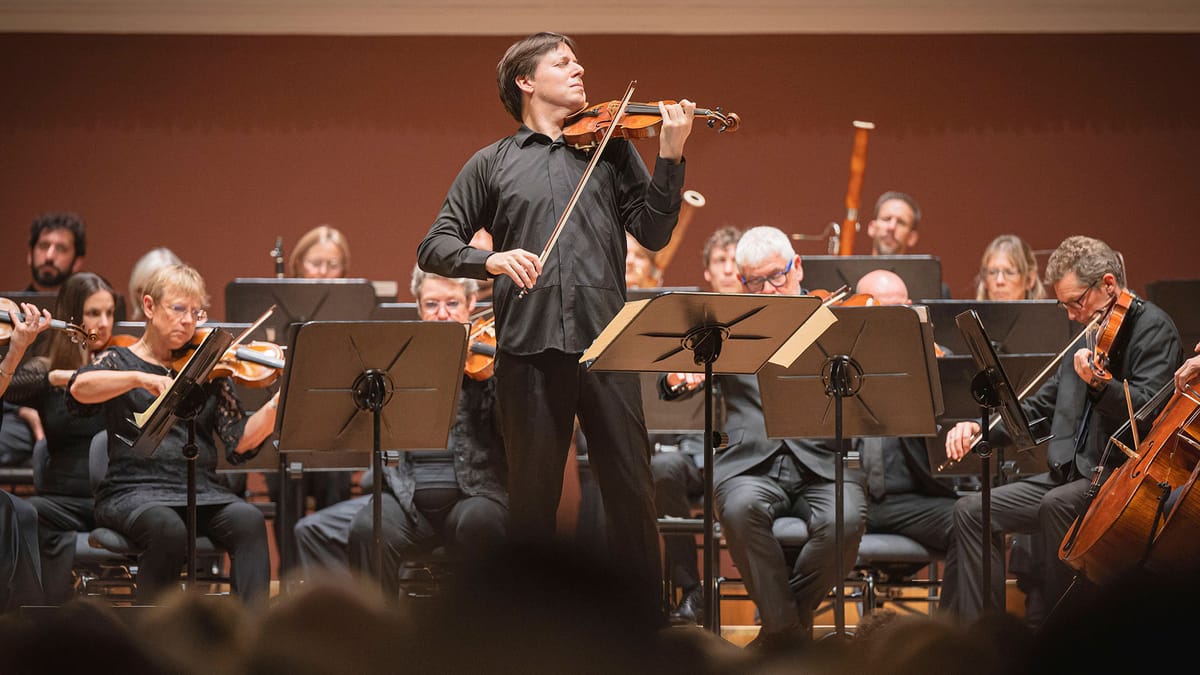
 San Francisco Symphony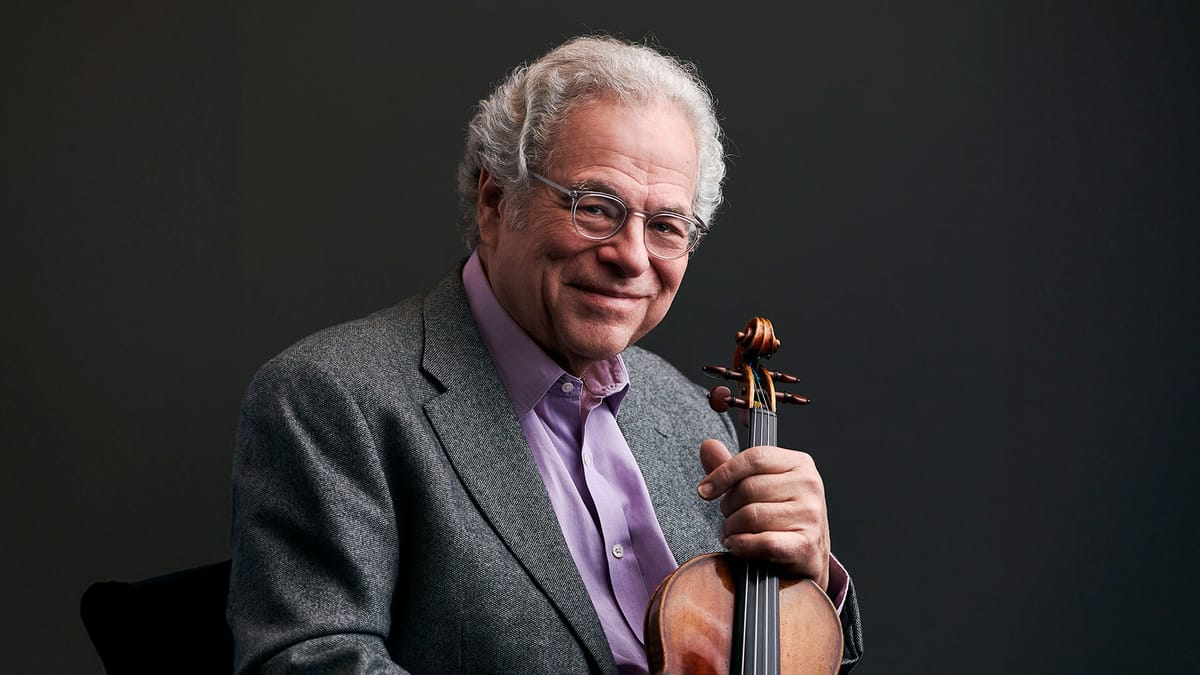
 San Francisco Symphony
 San Francisco Symphony
 San Francisco Symphony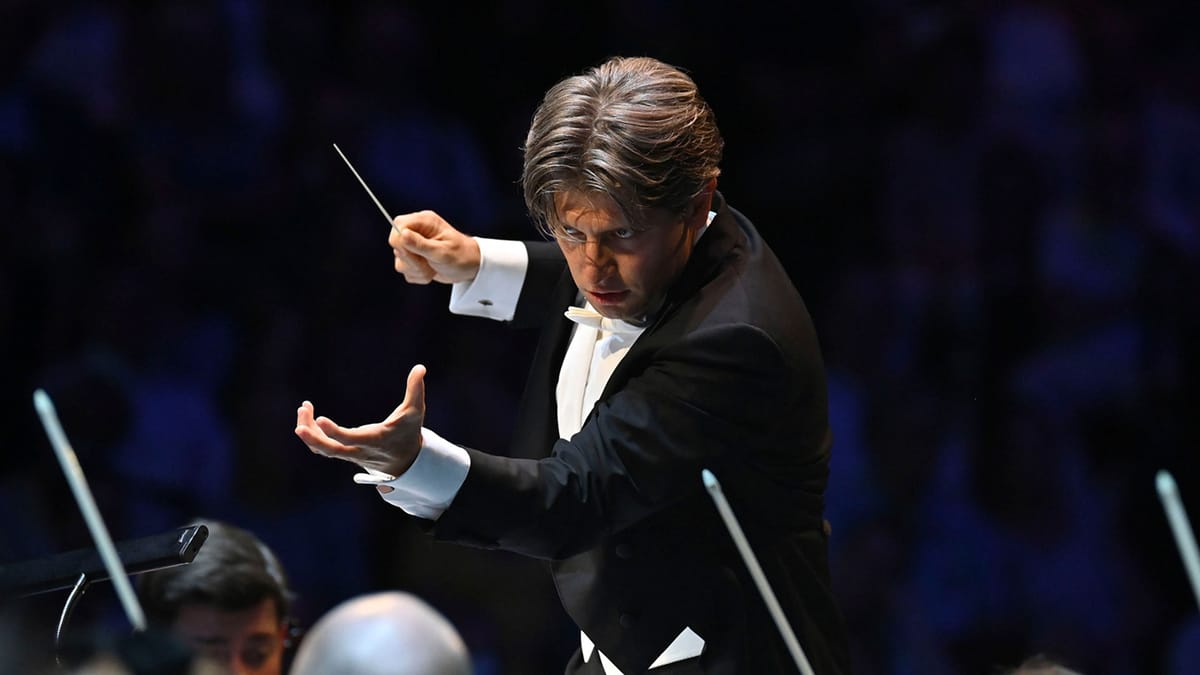
Welcome
The connection that grows between artists and audiences is one of music’s special gifts. From homegrown talents to musicians who have made the San Francisco Symphony their artistic home, we treasure each opportunity to engage with them on a deeper level.
Our concerts this month feature several guest artists who have been a part of the SF Symphony family for decades. Violinists Pinchas Zukerman and Itzhak Perlman have graced our concerts for over half a century, and Joshua Bell and Jean-Yves Thibaudet first performed with us more than 30 years ago. It is especially rewarding to hear these musicians revisit favorite works on our stage, as each return brings new insight and a deeper sense of connection.
Part of the joy of attending concerts is to wonder where the next Perlman or Thibaudet might come from. Maybe it’s from the ranks of the SF Symphony Youth Orchestra, where seven musicians have gone on to join the SF Symphony—a true hometown success story.
We invite you to enjoy these special musicians as they share their humanity and artistry with us time and again.
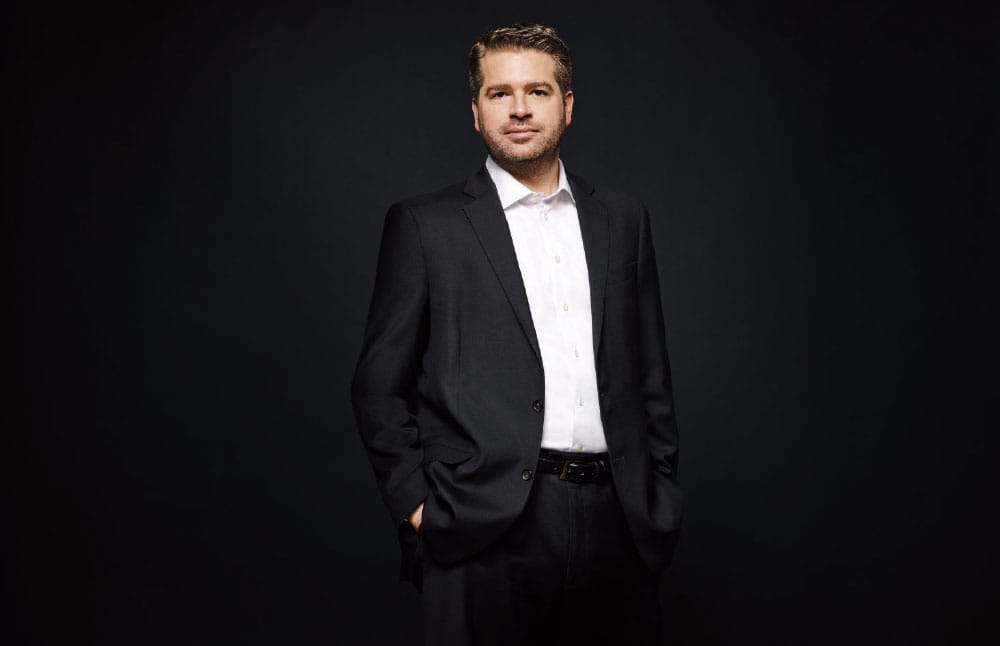
Matthew Spivey
Chief Executive Officer, San Francisco Symphony
Music as an Act of Love
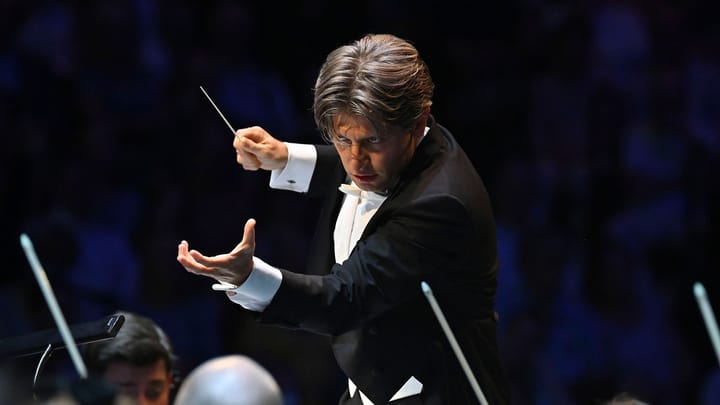
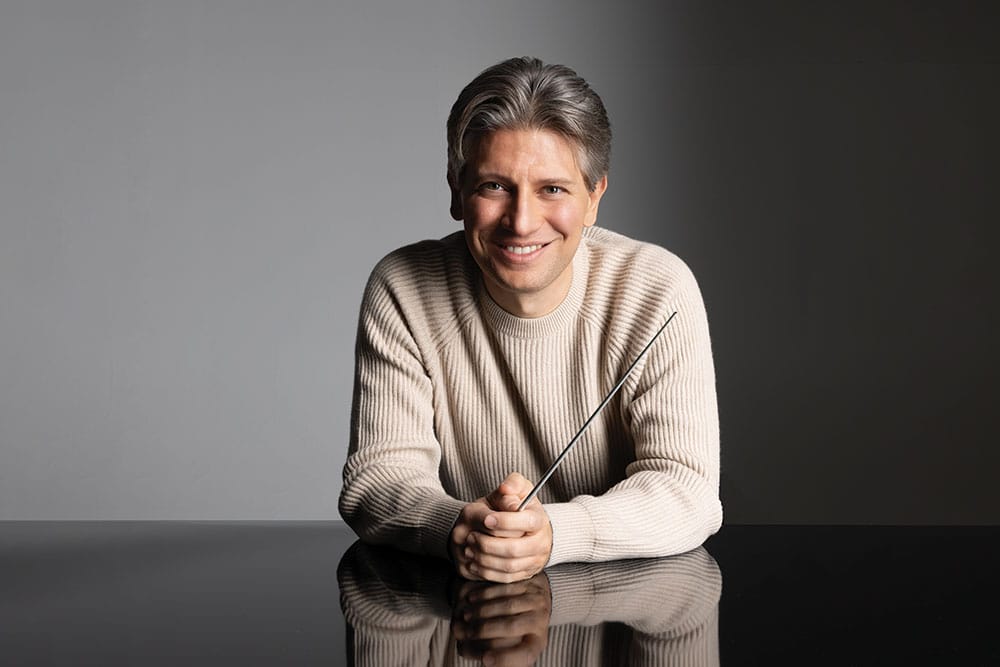
Debuting conductor Daniele Rustioni on the magic of music • by Steve Holt
At age 42, Italian conductor Daniele Rustioni already has an impressive conducting resume in both opera houses and symphony halls. He currently serves as principal guest conductor of the Metropolitan Opera, only the third in its 143-year history, and he just concluded an eight-year term as music director of Opéra National de Lyon.
But his CV is also studded with major symphonic appointments and appearances around the globe, including 10 years with Orchestra della Toscana in Florence, and five years with the Ulster Orchestra in Belfast as music director. His guest conducting appearances are a virtual encyclopedia of the world’s greatest orchestras, from London to New York, from Philadelphia to Pittsburgh, from Cleveland to Tokyo, and of course these concerts, his debut with the San Francisco Symphony.
So: is he an opera conductor or a symphony conductor?
“It’s an interesting question, given my background, but I think the answer is ‘both,’” Rustioni says. “Look at the history of conductors like Herbert von Karajan and Carlos Kleiber. They started as Kapellmeisters [chief conductors in a German opera house], and then in their middle 40s, they shifted gradually to a more symphonic repertoire, but only after they had something like 50 operatic titles under their belt. I like to think that I’m trying to reproduce one of these historical journeys as a conductor. In the Italian tradition, if we think about Toscanini, Giulini, Abbado, and Muti, they all were, or are, exquisite symphony conductors, and they touched a lot of non-Italian operatic repertoire as well. So that’s the goal for me.”
Rustioni knew he wanted to be a musician after appearing as one of the Three Boys in The Magic Flute at La Scala at age 13, but it wasn’t until his early 20s that he decided that conducting would be his path. “Certainly, I was building up to that, from playing chamber music as a pianist, to having a lot of experience on the music staff at a theater,” he says. “Without those experiences, it’s impossible to understand what conducting is. You have to dig in and start to understand the anticipation of the sound, and the relationship between your gestures and the natural decay of the sound, and, most importantly, what the orchestra needs from you.”
Rustioni also points to early posts at Mikhailovsky Opera and Ballet Theatre in St. Petersburg and Covent Garden in London as fundamental in his development. “It was a great opportunity to absorb everything I could. It was theory and practice together, and that’s the best combination. Having constant contact with the same group of musicians in St. Petersburg, I learned a lot: how to balance, how much I give and I offer, and how much I should just listen to what the orchestra is giving me.”
This wisdom has carried over into his work as a guest conductor. “You need to be able to have the two channels open in equal parts, especially when you are more advanced in your career, and you’re lucky enough to conduct some of the best ensembles on the planet. You don’t just want to impose your will; you need to work with their knowledge as well.”
One reality of guest conducting is constant travel, and very little rehearsal time. But for Rustioni, managing those restrictions means more than just studying scores while jetting around the globe.
“You need to be a complete artist or human being,” he says. “You need to live your life as fully as possible. So at a certain point it becomes limiting just to focus on the scores. You need to read, you need to know what’s happening in society, because ultimately, an orchestra is the mirror of society. Ultimately, we make music for the audience. It’s a social art.”
Rustioni speaks eloquently about the alchemy between conductor, composer, musicians, and audience. “Music evokes more than it describes. This evocative power is very abstract and ethereal, and that’s the magic. It’s a fascinating profession, and everyone says the same thing at the end of their career: ‘It’s such a pity to stop now; I was just starting to understand what means to be a conductor!’”
Rustioni has many heroes and mentors, from Muti to Daniel Barenboim. He’s reluctant to list them all for fear of leaving anyone out, but he’s never forgotten these words of wisdom from Carlo Maria Giulini.
“I was very young, watching him rehearse in Milan, and one day he said to me, ‘Daniele, la musica è un atto d’amore.’ Music is an act of love, in the most metaphysical and spiritual way. As a conductor, I take that to mean we need to be serious and noble and respectful. Of course, every one of us is different, with a different aura, charisma, authority, and energy on the podium, but the foundation should be that respect. Giulini was really a servant of the music. Maybe to say that nowadays is boring, but I don’t care [laughs]. In our modern world, where we’re inundated with social media and the like, I think it’s good to have a strong vision of these ancient ideas of music.”
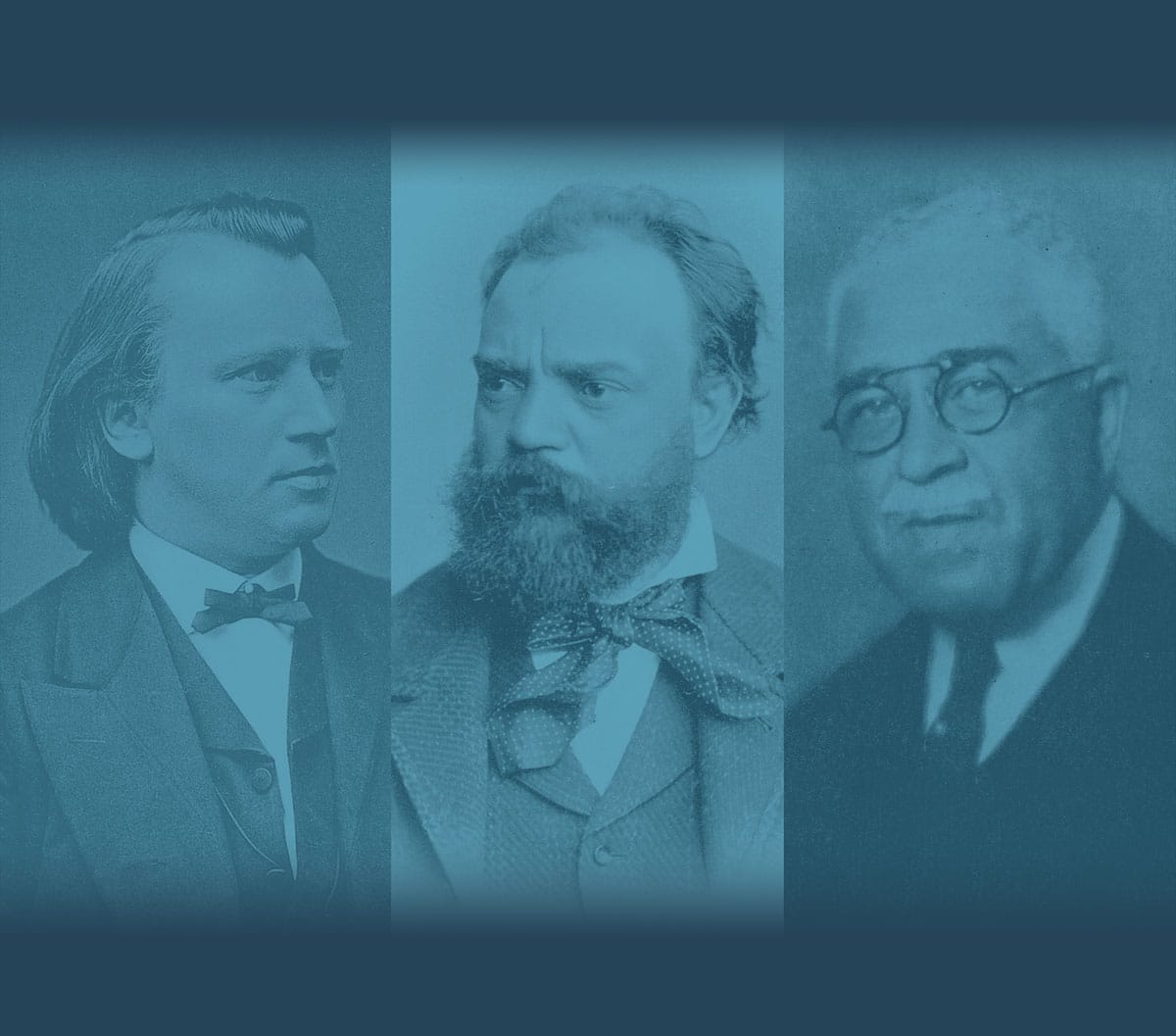
A Lineage of Mentors: From Brahms to Dvořák to Burleigh
by René Spencer Saller
MUSIC HISTORY, LIKE ALL HISTORIES, is one long and tangled tale of teachers and students. We might let ourselves get briefly bamboozled by certain Romantic myths and stereotypes—the solitary artist-hero nurturing a sacred innate genius, free from the corrosive influence of others—but most of us grow up at some point. Human creativity is cumulative, a collective endeavor performed over centuries. No one is more responsible for transmitting this precious legacy than the teachers and mentors—the Brahmses, Dvořáks, and Burleighs—who pass on the gift to their students, who then pass it along to their own students, and so on, ad infinitum (we hope).
A fun thought experiment: If Robert and Clara Schumann hadn’t evangelized on behalf of the young Hamburg pianist-composer Johannes Brahms, would he have done the same for Antonín Dvořák, an obscure and impoverished Bohemian violist-composer? And if he hadn’t found a mentor in Brahms, would Dvořák have met, much less employed, Henry Burleigh, a scholarship student and future champion of African American art song?
We don’t need to believe in destiny to be grateful for these connections. We just need the music.
From Protégé to Peer
In 1874, after years of scraping by as a teacher and orchestra violist, Dvořák got his first big break: a grant from the Austrian Ministry of Education. The competition-based stipend was designed to help poor and talented young composers. Dvořák, the son of a zither-playing rural butcher and innkeeper, qualified on all counts. Even the notoriously hypercritical Brahms was enthralled by Dvořák’s 15 submissions. He praised the winning candidate’s “seemingly unlimited inventiveness,” his “uncanny sense of time and duration and dazzling sense of musical lines.”
Dvořák went on to win the prize two more times, and then, in 1877, thanks to an introduction by the influential Viennese critic (and fellow Ministry of Education juror) Eduard Hanslick, he met Brahms in person. The two composers hit it off, likely bonding over their working-class backgrounds. As a teenage saloon pianist in hardscrabble Hamburg, Brahms serenaded sex workers and drunken stevedores; when he first arrived in Vienna, he was sometimes dismissed as a handsome German hick. But the Viennese snobs had even more contempt for the Bohemians, whom they considered primitive, impulsive, superstitious, and generally inferior.
As Hanslick bluntly explained in an 1877 letter to Dvořák, “it would be advantageous for your things to become known beyond your narrow fatherland, which in any case does not do much for you.” Ironically, Hanslick was born and educated in Prague, but unlike his correspondent, he came from a bourgeois German-speaking family and identified as Austrian.
Although Brahms was only eight years older than Dvořák, he was already internationally famous, thanks to the first volume of his Hungarian Dances, a bestseller since 1869. His endorsement was coveted, and he doled it out sparingly. But after reviewing Dvořák’s scores, Brahms didn’t hesitate to recommend them to his own publisher, Fritz Simrock, who offered the 36-year-old composer his first major contract.
By 1880 Dvořák had attained both critical and commercial success, but this didn’t keep him from obsessing over Brahms’s opinion. In a letter to Simrock, written during the composition of the Seventh Symphony, Dvořák confessed his fear of disappointing his mentor: “I have been engaged in a new symphony for a long, long time; after all, it must be something really worthwhile, for I don’t want to hear Brahms’s words to me, ‘I imagine your [Seventh] symphony will be quite unlike [the Sixth],’ to remain unfulfilled.”
Luckily he had nothing to worry about. Grand, gloomy, and dramatic, the Seventh marked a distinct stylistic shift. His goal was to surpass all of his previous efforts and craft a symphony “capable of stirring the world, and may God grant it will!” Relatively free of the Slavic folk–derived, nationalistic elements for which he was known, it pays somber tribute to the High Classical canon. The influence of Brahms—particularly his recent Third Symphony, which Dvořák called the finest symphony ever written—suffuses all four movements.
New Sounds from the New World
In September 1892, Dvořák, his wife, and two of their six children sailed from Prague to New York City, where they spent most of the next three years. Unlike so many other Czech immigrants before and after them, they never intended to start a new life in the New World. The 51-year-old composer was lured to the United States by Jeannette Thurber, a wealthy philanthropist and Paris-trained musician. She had already persuaded Congress to establish the National Conservatory of Music, her brainchild and life’s mission. Now she wanted Dvořák to serve as its director. He was reluctant at first, but the proposed salary of $15,000—more than 20 times what he had been earning at the Prague Conservatory—was too tempting to refuse.
Despite the thousands of extra miles between them, Brahms and Dvořák kept in touch, regularly exchanging letters and manuscripts. Brahms spent untold hours preparing Dvořák’s scores for publication, correcting all the transcription errors and perfecting the counterpoint. When he received the first draft of Dvořák’s Cello Concerto, he played it through on piano with a cellist friend and then laboriously proofread every bar. Dvořák marveled over his friend’s willingness to perform this tedious but essential task. “I don’t believe there is another musician of his stature in the whole world who would do such a thing,” he wrote.
After the Dvořáks returned to their homeland, in 1896, Brahms urged them to relocate to Vienna. The ailing bachelor even offered to make them his heirs. Dvořák was deeply touched by his friend’s generosity but unwilling to leave his beloved Bohemia. He visited Brahms on his deathbed and attended his funeral on April 6, 1897. That November Dvořák was appointed to the jury of the Austrian Ministry of Education, the same scholarship program that brought him to Brahms’s notice.
Dvořák drew inspiration from many sources, but mostly from the people he taught—who also taught him. Among the members of the National Conservatory’s diverse student body was his African American assistant Henry (“Harry”) Burleigh, who introduced the composer to what would soon become his favorite form of American folk music: the Negro Spiritual. For the best, most hummable theme of his Ninth Symphony, From the New World, Dvořák chose the English horn because it reminded him of Burleigh’s baritone. This haunting, hymnlike tune—apotheosized in the second movement but present, in some form or another, throughout—wasn’t a quotation from an existing spiritual, as many listeners mistakenly insist. Although inspired by Burleigh’s singing, it is an original melody, organic to the symphony.
In a later essay, Burleigh reminisced about his close association with Dvořák:
“While I was never a student of Dvořák, not being far enough advanced at that time to be in his classes, I was constantly associated with him during the two years that he taught in the National Conservatory in New York. I sang our Negro songs for him very often and, before he wrote his own themes, he filled himself with the spirit of the old Spirituals.”
Burleigh, for his part, became a respected opera singer, composer, arranger, and lecturer. His inventive setting of “Deep River,” perhaps the first spiritual to enter the concert repertoire, was later immortalized by Paul Robeson and Marian Anderson. Listen closely to Burleigh’s arrangement, and you might hear an echo from the Largo of Dvořák’s Ninth, reverberating all the way back from Brahms and points beyond.
The source of that sound is a teacher.
Community Connections
Women’s Audio Mission
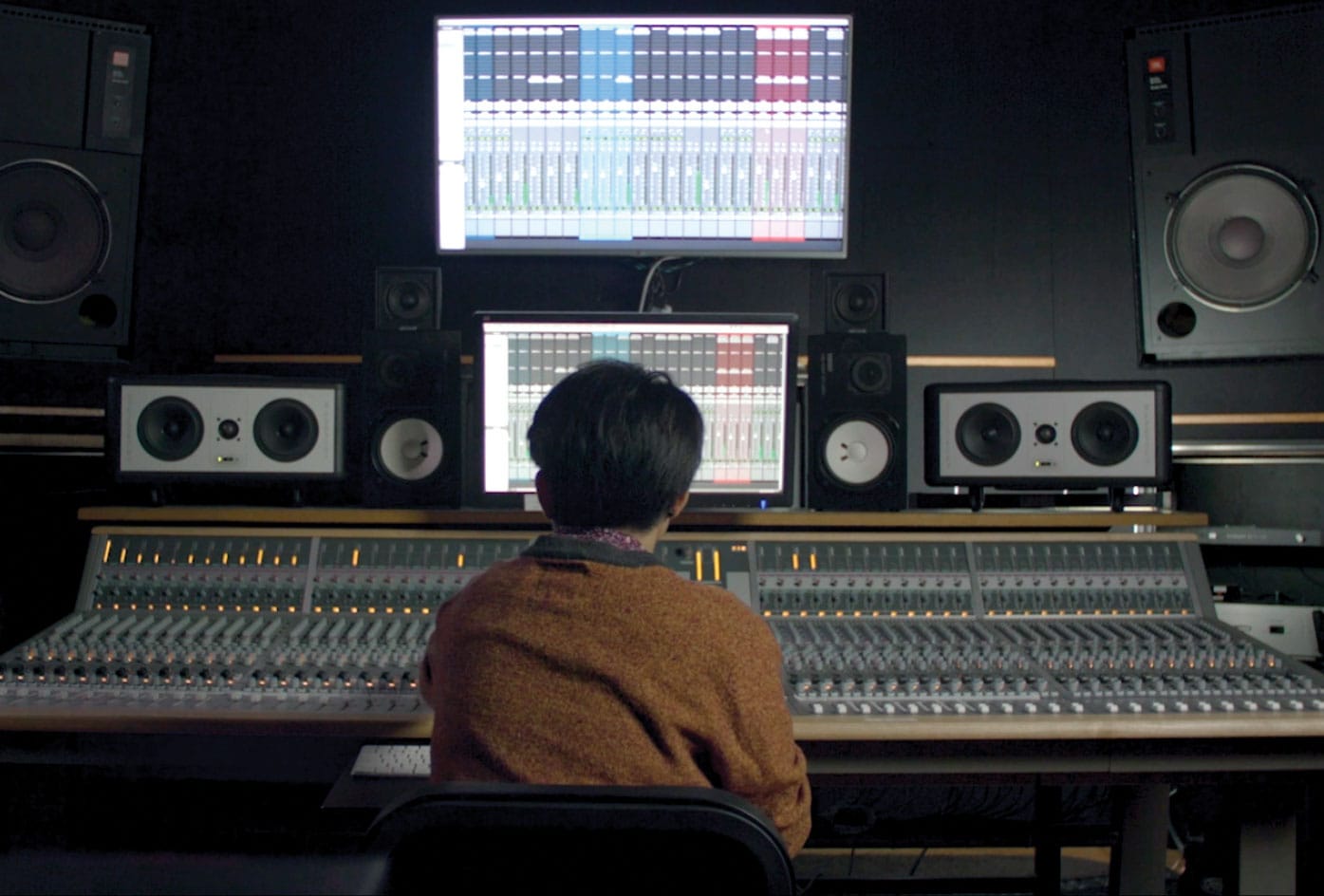
Women’s Audio Mission (WAM) is a San Francisco-based nonprofit dedicated to the advancement of women, girls, and gender-expansive people in music production and recording arts. Less than 5% of the people creating the daily soundtrack of our lives are women, and even fewer are Black, Indigenous, and people of color. Since 2003, WAM has been “changing the face of sound” by providing free, award-winning training, mentorship, and access to music technology to more than 30,000 individuals across locations in the heart of San Francisco and Downtown Los Angeles.
Named “Best Hope for the Future of Music” by SF Weekly, WAM is an essential part of the California music ecosystem. Its professional recording studios are the only in the world built and run entirely by women and gender-expansive staff, offering hands-on experience for students and paid artist residencies supporting the creation of new work.
WAM believes that advancing women in these fields ensures their points of view are conveyed throughout society. By equipping emerging creators with the skills and means to amplify their voices, they are empowered to shift cultural narratives, close the chronic gender gap in the music and audio sectors, and become the next generation of artists, innovators, and music industry leaders.
For more information, visit womensaudiomission.org.
Meet the Musicians
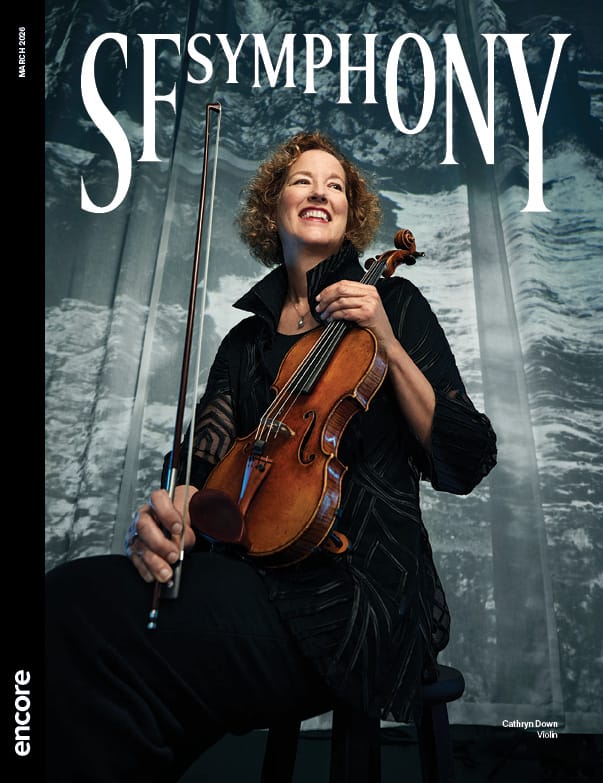
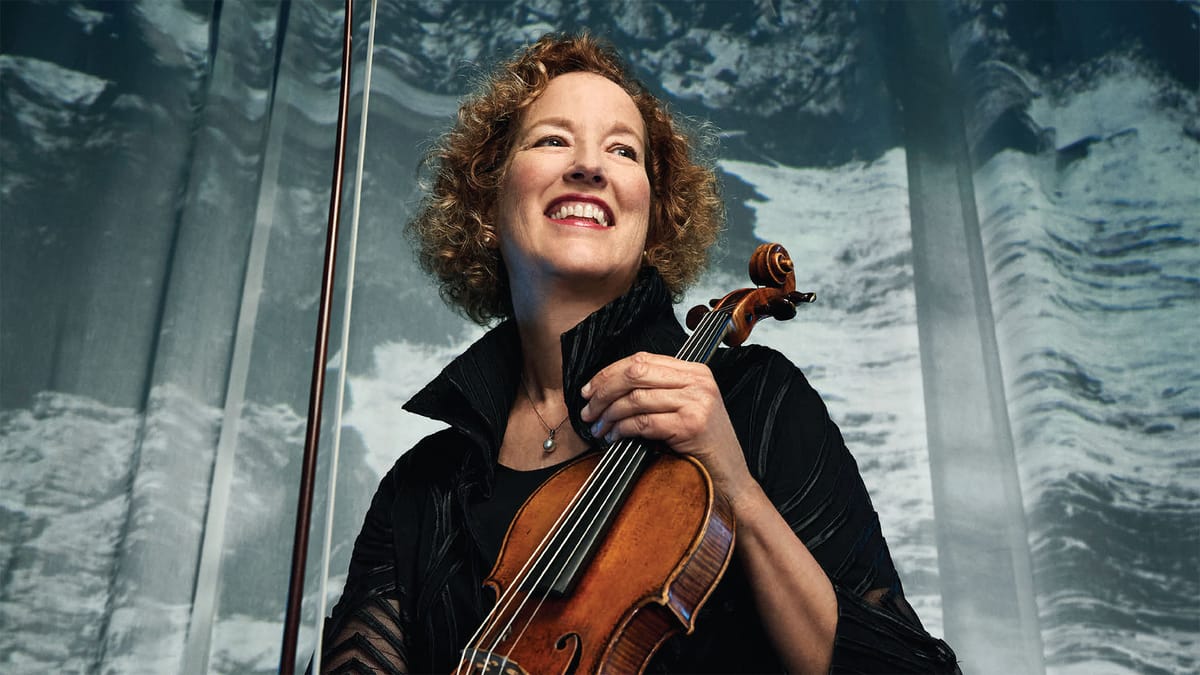
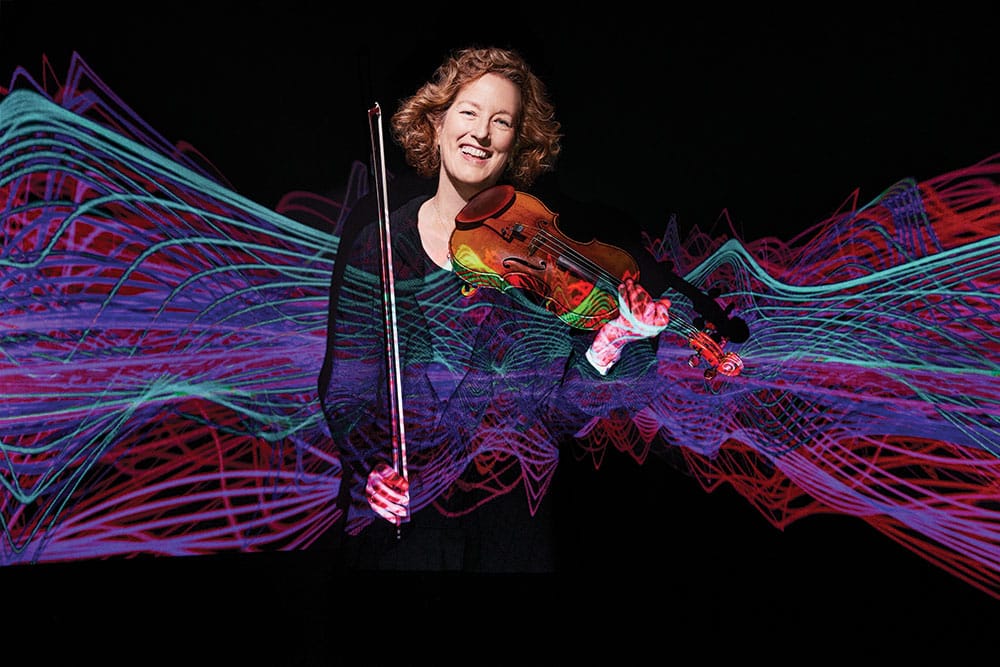
Cathryn Down • Second Violin
A Bay Area native, Cathryn Down joined the San Francisco Symphony as an acting member in 1994 and became a permanent member of the violin section in 2001.
What was your first concert with the SF Symphony?
My first time playing with the Symphony was as a substitute in a recording session for Richard Strauss’s Death and Transfiguration with Herbert Blomstedt. After seven years playing as a substitute, I won a tenure-track position when MTT was music director.
How did you begin playing the violin?
My mother, who was assistant concertmaster of the San Jose Symphony, gave me a violin a few months before my second birthday. I had a Suzuki teacher beginning when I was five. Growing up in the Bay Area, I joined the San Francisco Symphony Youth Orchestra in its inaugural year. It has been my dream to play in the SF Symphony since I was 13.
What were your next steps in getting here?
My journey was not a straight line, like life is not a straight line. I quit the violin for most of my teenage years and planned to study business or economics in college. Then one day I decided I needed to get back on my music path. So I went to the San Francisco Conservatory of Music, where I got my bachelor’s and master’s degrees studying with Zaven Melikian, who had played with the SF Symphony and then became concertmaster of the SF Opera Orchestra.
What kind of violin do you play?
I have a Jean-Baptiste Villaume. I looked for three years for a violin, and I was looking for an Italian instrument. I looked all over Europe during the years I spent working in Germany and Belgium. I did not find one. On a trip back to the Bay Area, I called Nash Mondragon at the Cremona Violin Shop in San Francisco. He showed me three violins, and I looked at the one in the middle and asked, “what’s that?” with incredible delight and awe at the beauty of the instrument. He said, “that one is French.” At that moment, it no longer mattered where it was made. I played it and fell in love with it.
Do you have a preconcert routine?
I don’t like to talk much before a concert. I honor my introverted nature.
What do you enjoy besides music?
I’m a recent graduate of the Academy of Intuition Medicine. I have stayed connected to the Academy and now tutor students going through the program.
Does that connect back to music?
Art and music take us out of our linear minds of getting things done and the necessities of life—taking care of business, so to speak. Those are all things we have to do in our material world. There is a whole other domain that exists that can help us, and exists whether or not we pay attention to it. That’s a higher spiritual domain. Playing music, coming to concerts, creating art, looking at art—anything done for the sake of the love of beauty is one of the most healing things we can do for ourselves and those around us, because we are changed from the inside out.
Print Edition