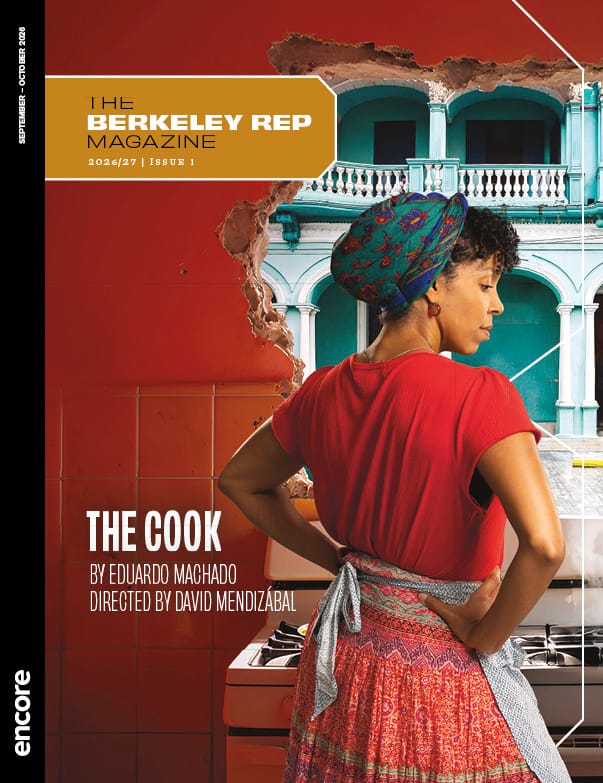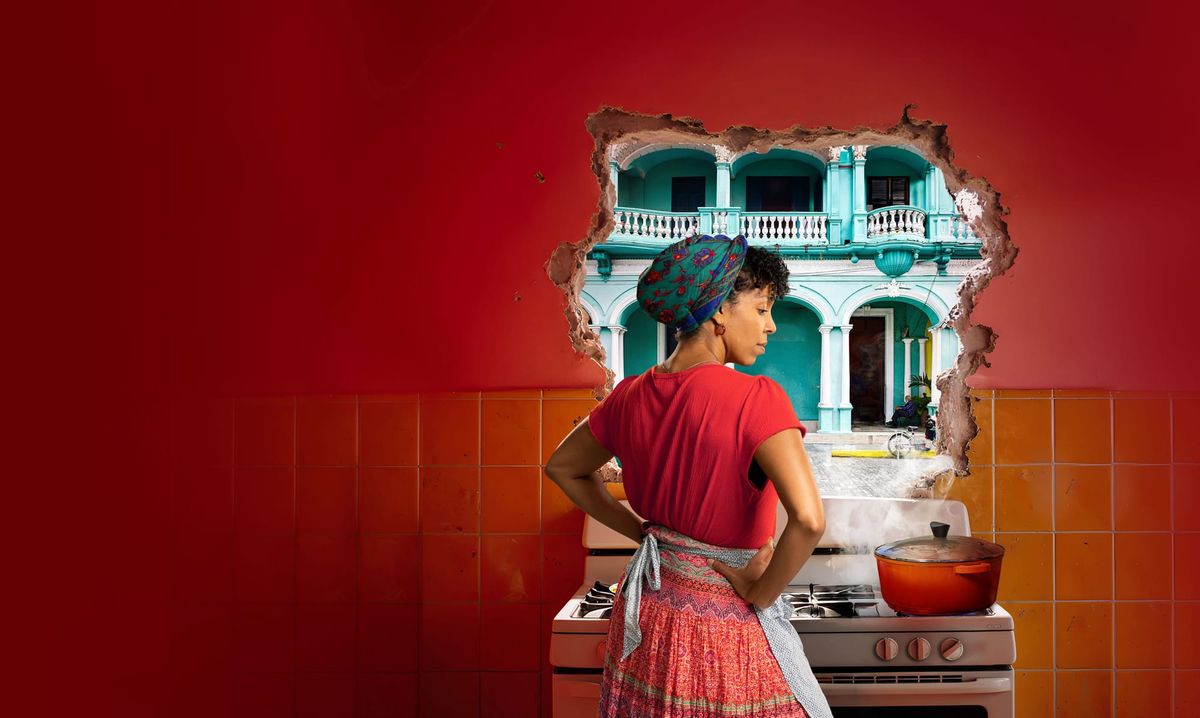
September 4, 2026 – October 11, 2026 | Peet’s Theatre
In This Program
- A Welcome from the Artistic and Managing Directors
- Flavors of Cuban History in Eduardo Machado’s The Cook
- An Excerpt from Tastes Like Cuba: An Exile’s Hunger for Home
- Show Program
- Artist Bios
- Making a Kitchen for The Cook
- Print Edition
- More about Berkeley Rep
Welcome to Berkeley Rep
To ensure the best experience for everyone:
While always encouraged, masks are required inside the theatres during Sunday and Tuesday performances for the first three weeks of a show’s run.
Food and drink: Beverages in cans, cartons, or plastic cups with lids are welcome in the theatre during unmasked performances. Food is prohibited in the theatre during all performances.
Courtesy reminder: To avoid disruption to everyone, please turn off your cell phones, beeping watches, and electronic devices, and refrain from unwrapping cellophane wrappers during the performance. For the comfort of all patrons, please avoid wearing strongly scented personal products.
Photos: Photos may be taken in the theatre before and after the performance and during intermission. Photos and videos during the performance are strictly prohibited. Photos posted on social media must credit Berkeley Rep and the show’s designers.
Smoking and vaping: Berkeley Rep’s public spaces are smoke- and vape-free.
One of the joys of live theatre is the collective experience. Audience members respond to the show in many different ways. We invite you to join together and enjoy the show! If there is anything we can do to make your experience more enjoyable, please see a member of the house staff.
Get closed captioning on your smartphone! Closed Captioning is available for the following evening performances: September 19, 20, 22, 24, 25, and every matinee through October 17. Use your smartphone to scan this QR code:
Then, switch your WiFi to the network CCTheaterPeets. Password: cctheater1 When the CC page appears, choose English captions. If you’d like assistance, please see an usher or house manager.
Captions powered by CCTheater, from AccessTech, LLC.(info@getaccesstech.com)

From the Artistic Director
I first encountered Eduardo Machado’s work in 1991 at the Humana Festival of New American Plays at Actors Theatre of Louisville with the world premiere of In the Eye of the Hurricane. I was captivated by the family at the center of that story—funny and biting and steeped in politics that were not abstract in any way but lived on a daily basis.
So when David Mendizábal mentioned The Cook as a play they had always wanted to direct, I was intrigued. Eduardo’s plays often (always) immerse us in history through relationships, and the questions raised by this piece are thematic extensions of those that appear in much of the work David has directed here at Berkeley Rep: from Sanctuary City to Mother Road to Mexodus to All My Sons—investigations of class, race, and colorism within communities, all told through a highly theatrical lens.
As we prepared for the start of rehearsals, I was thinking about acts of service, perhaps even acts of devotion. Certainly Gladys, the titular cook, feels a sense of responsibility to Adria that transcends their relationship as servant and mistress of the house, as well as to the preservation of a way of life, a culture, a structure.
For me, theatre-making is an act of devotion. It certainly calls upon each one of us—artists, staff, and audience—and requires a depth of investment of time, of energy, of emotion, of collaboration that moves me deeply.
Thank you for sharing a commitment to this art form, and this work that we all make together.
Warmly,
Johanna Pfaelzer
Artistic Director
From the Managing Director
Welcome to season 59 at Berkeley Rep! This season, we explore stories that traverse time, looking back to look forward. They are stories of the before and after, of evolution and revolution, illuminating the choices that shape our lives, our communities, and the threads connecting us all. They remind us of our remarkable capacity for growth and transformation, and of our enduring human search for joy, connection, freedom, belonging, and purpose.
Theatre rarely provides easy black and white answers. Instead, it helps us explore how to navigate the gray and invites us to sit with complexity, embrace ambiguity, and imagine new possibilities. It asks us to feel deeply, to laugh, to cry, to remember, and to be inspired—and, perhaps, to leave just a little different or more open-hearted and open-minded than when we arrived.
We begin that journey with Eduardo Machado’s contemporary classic The Cook, a sharp, funny, and quietly devastating play of sacrifice, devotion, and resilience through a period of immense change. The season continues with the West Coast premiere of the Tony Award- and Pulitzer Prize-winning Liberation, direct from its acclaimed Broadway run; the striking Southern Gothic work Covenant; and the not-to-be-missed world premiere musical The Interestings, featuring music and lyrics by Sara Bareilles. Meanwhile, another Berkeley Rep-born musical continues its own journey, as Galileo opens on Broadway this December—an inspiring reminder how the work nurtured here, that you saw first, can resonate on stages around the world.
If you haven’t yet subscribed, now is the perfect time to join this community of theatregoers. With a full season of unforgettable performances—featuring some of the finest artists from the Bay Area, Broadway, and beyond—enjoy the best seats, the best prices, and the singular pleasure of supporting the artistic ambition and creative risk-taking that have defined Berkeley Rep for nearly six decades. Thank you for your patronage and support.
Enjoy the show!
Tom Parrish
Managing Director

Flavors of Cuban History in Eduardo Machado’s The Cook
by Chantal Rodriguez
As the US-born daughter of a Cuban exile who left in the years following the revolution, I first encountered the history of Cuba through family memory—stories of escape, political persecution, fear, trauma, and loss. Certain experiences were never spoken about and never questioned. In the kitchen however, I realized that my deepest connection to Cuba lives on my tongue—in the Cuban-inflected Spanish that I speak and in the meals that have fed not only my body, but also my hunger to understand Cuba’s past.
The first time I heard the phrase moros y cristianos (“Moors and Christians”) was in reference to a delicious dish of black beans and rice. The name of this dish contains the colonial history of Spain, its cultural legacy in Cuba, and the ways that food can encode racialized and historical realities in a humble staple. Similarly, the classic cocktail Cuba Libre (“a free Cuba”) piqued my interest when I first heard it referred to as una mentirita (“a little lie”). Originating in Havana around 1900, shortly after the Spanish-American War when US influence and American products were newly prominent in Cuba, it consists of a highball of Cuban rum, Coca-Cola, and fresh lime juice. Its colloquial diasporic moniker now captures a feeling, for many, that Cuba can never truly be free under communist rule.
As a passionate, bilingual theatre kid, I also remember my curiosity about Cuban and Cuban-American history finding recognition in the pages of plays by Dolores Prida, María Irene Fornés, Nilo Cruz, and, most especially, Eduardo Machado. Premiering at INTAR Hispanic Arts Center in New York City in 2003, The Cook marks one of Machado’s most clear-eyed explorations of life in Cuba. Set in El Vedado, the heart of the affluent, central business district in Havana in the 1950s, Machado drops audiences into the Santana family’s mansion kitchen where Gladys is the cook.
In the decades following Spain’s defeat in the 1898 Spanish-American war, El Vedado was transformed by American investors and those benefitting from Cuba’s sugar trade boom. By the 1950s, under Fulgencio Batista’s authoritarian regime, El Vedado reflected the realities of Cuba’s concentrated wealth—filled with urban elites and foreign investors who reaped the profits while the working class, especially in rural areas, faced extreme poverty, high unemployment, and lack of public services.
Seizing power through a military coup in 1952, Batista suspended constitutional politics and ruled through the military, police, and patronage networks. His rule was one marked by profound contradiction: Havana glittered with nightclubs, casinos, and American tourism while vast stretches of the countryside remained desperately poor. While he was the first non-white president in the country’s history, his government did little to dismantle systemic racism. These stark class and racial disparities ultimately created the conditions for the Cuban Revolution. For many Cubans, particularly the poor and Afro-Cuban communities who had been systematically excluded from the country’s prosperity, the revolution carried genuine hope. For the landowning and professional classes, it carried dread.
This is where Machado’s The Cook opens on New Year’s Eve 1958, with Cuba on the verge of total transformation. While the Santana estate celebrates the new year in luxury, Fidel Castro’s forces inch towards the capital. Born in eastern Cuba to a landowning family, Castro studied law at the University of Havana, where he became active in nationalist politics and student activism. He gained national attention after leading the 1953 attack on the Moncada Barracks, a failed uprising that led to his imprisonment and later amnesty. After his release in 1955, Castro went into exile in Mexico, where, over roughly a year and a half, he organized what became the July 26 Movement, named for the failed Moncada attack, and joined forces with other revolutionaries, including Argentine doctor and Marxist Ernesto “Che” Guevara. The stated aims of the July 26 Movement were to topple Batista, restore the 1940 Constitution and free elections, end repression and corruption, assert national sovereignty, and pursue sweeping reforms—especially land redistribution, labor protections, and expanded access to education, health care, housing, and work for the poor.
Returning to Cuba in December 1956, he launched a guerrilla campaign in the Sierra Maestra mountains to regroup and build a rural insurgency. From 1957 to 1958, the revolution grew—bolstered by urban resistance—as Batista’s regime weakened. On January 1, 1959, Batista fled Cuba, and his government collapsed; Castro’s July 26 Movement and allied rebels entered Havana on January 2, and Castro arrived days later, soon becoming the country’s de facto leader. In The Cook, the departure of the Santana family (for whom Gladys has worked since she was 13 years old) is not a triumphant escape—it is a fracture. Those who leave carry Cuba with them as a memory, a wound, an idealized island that recedes further with every passing year. Those who stay must learn to live inside a revolution, navigating its promises and its demands.
By 1961, the goals of the Cuban Revolution were reframed within a socialist framework, adding large-scale nationalization, centralized planning, and the consolidation of a one-party state, presented by Castro as necessary to defend the revolution and achieve equality. Supported by the Soviet Union who provided economic subsidies, supplied all of Cuba’s oil, purchased its sugar, and provided significant military backing, Cuba achieved notable gains including near-universal literacy, expanded access to medical care, and improvements in life expectancy.
At the same time, political pluralism was heavily restricted, there was total control of the press, and the heavy policing of any form of dissent—actual or perceived. The regime viewed homosexuality as a bourgeois decadence incompatible with the revolution, leading to systemic gender policing and brutal attempts at “re-education” at forced-labor agricultural camps. Internees at these camps were forced into 10 to 12 hours of unpaid manual labor per day, seven days a week. They were subjected to intense ideological indoctrination, physical punishments, and psychological abuse, causing severe trauma and many cases of suicide. When Gladys’s cousin Julio declares “I thought the revolution would include me” in Act II, the air of the kitchen is thick with the realities of the revolution for those who did not adhere to its views.
By Act III of The Cook, Cuba is in what is known as the Special Period in a Time of Peace. With the fall of the Soviet Union in 1991, Soviet aid and trade abruptly collapsed and Cuba was plunged into a prolonged economic crisis marked by severe rationing, fuel shortages, and scarcity of basic goods. The US trade embargo, formalized in 1962 under President John F. Kennedy and maintained through successive administrations, ensured that no relief came from the north. Many Cubans experienced the Special Period not only as a material crisis, but also as a crisis of ideology, values, expectations, and faith that the state could continue forward on a path of progress. The experience of the Special Period also highlights the resiliency of the Cuban people which has become a hallmark of its culture. Inventar y resolver (“to invent and resolve”) was a common refrain for people desperately seeking solutions. In order to stimulate the economy, the government legalized various self-employed jobs, including hospitality, in 1993.
—Gladys, The Cook
The paladar became the first private sector experiment which at its inception was no more than a few humble tables set in someone’s kitchen. The government imposed tight constraints on paladares including a maximum of 12 seats, the hiring of only immediate family members, limitations on ingredients like beef and seafood which were the property of the state, and the requirement that they had to operate out of the owner’s primary residence. For Gladys, this era brings a different kind of challenge. As the presumed owner of the mansion, she and her husband Carlos, now a government official, are allowed to turn it into a paladar. While “the cookbook remains the same,” the ingredients grow scarce—her fierce loyalties are pushed to their limits.
Reviving this play in 2026 speaks to how the political landscape between the US and Latin America is experienced in Cuba as a battleground for basic survival. Across successive US administrations, policy on Cuba has swung between tightening and easing—sanctions, partial openings, and renewed pressure—while the island’s economy has remained exposed to shifts in Washington and to regional alliances.
The January 2026 US military operation in Caracas, which resulted in the ousting of Venezuelan President Nicolás Maduro, dealt the most recent economic blow to Cuba. Stripped of Venezuelan oil and facing new US blockades, the Cuban people continue to suffer increasingly severe fuel shortages and blackouts. Calls from President Trump that “Cuba is next” on the US foreign policy and military agenda have reignited decades-old debates. And while many Cuban exiles, and their descendants, hope to see a free Cuba in their lifetime, Cubans on the island continue to call for the right to take an active role in determining what their freedom looks like, lest it become una mentirita.
Ultimately, The Cook, and Machado’s enduring belief in the power of theatre, implores us to remember the human stories behind partisan talking points and to see that the lasting impacts of revolutions often come into clearest focus at the kitchen table.
Chantal Rodriguez (she/ella) is the associate artistic director of Yale Repertory Theatre and associate dean of the David Geffen School of Drama at Yale. She is the co-editor of Seeking Common Ground: Latinx and Latin American Theatre and Performance (Methuen Drama, 2021), “What’s Next for Latinx” volume 49.1 of Yale’s Theater Magazine (2019), and Encuentro: Latinx Performance for the New American Theater (Northwestern University Press, 2019). Chantal is a graduate of UCLA’s School of Theater, Film, and Television where she earned a PhD in theatre and performance studies, and Santa Clara University where she earned a BA in theatre and Spanish studies.

An Excerpt from Tastes Like Cuba: An Exile’s Hunger for Home
by Eduardo Machado
and Michael Domitrovich
Eduardo Machado was born in Cuba in 1953 and immigrated to the United States in 1961 at the age of eight. He began his career in theatre at 17, first as an actor before turning his focus to playwriting. As an adult, Machado returned to Cuba after two decades in exile, and those visits would go on to deeply inform much of his work.
The following excerpts are drawn from his 2007 memoir, Tastes Like Cuba, a poignant reflection on exile, identity, memory, and the search for home. In these passages, Machado recalls meeting a woman named Gladys in Havana in 2001, who would later inspire one of his most celebrated plays, The Cook, and shares one of her signature recipes.
Gladys ran her business out of a grand Art Deco villa that had been meticulously kept up over the years. Her dining room had high ceilings and a long wooden table, with two smaller tables to the side. You could hear the echoes of her cooking in the kitchen as the sounds bounced off the shiny marble floors. The house specialty: garlic chicken, cut into pieces and roasted in the perfect mojo of lime, naranja ágria, and oregano. It was like the stuff at El Aljibe, but so much better. The sauce was stronger but not vulgar as it was in Miami. It was potent because it was native, truly Cuban, almost dangerous. The sauce was sticky, the meat was juicy, and I was hooked.
I was also partial to Gladys’s homemade ice cream. Julio insisted that Coppelia, the store we had passed on the way to the film festival, made the best ice cream in Cuba. He loved their tropical flavors, guayaba, coconut, and mango best of all. While I appreciated their exotic tastes and smooth, light consistency, it was Gladys’s old-fashioned strawberry ice cream that I craved. With its dense, creamy, hand churned richness, it reminded me of Paris, or at least Paris as it was experienced by the women in my family: through couture bought at El Encanto or continental cuisine eaten at a fancy restaurant in downtown Havana.
The truth is, Gladys made food that reminded me of my childhood more than anything I had ever eaten. Gladys herself reminded me of my grandmother Manuela, beautiful, direct, and poised. Her black skin was smooth and flawless, her energy like that of a twenty-year-old even though she was well into her seventies when I first met her.
I went to her house later than usual one night, after a siesta that went on a little too long. Fortunately for me that was the night that all the customers left before I finished my dinner. I sat and ate, and when I was done Gladys made café and sat down with me. I talked to her that night about her business and the insignificant details of both our lives. And then something caught my eye. I noticed a picture on the dining room wall of a striking blonde dressed in fifties couture.
“Gladys,” I asked, “who is that?”
“The lady who owned this house,” she answered.
And then she looked at me. Her eyes said, “That’s it. Stop there,” and I knew that I was not permitted to ask anything else.
That night I sat down and began to write The Cook, about a woman named Gladys who works in a beautiful mansion for a wealthy white woman who leaves Cuba right before the Revolution.
…
One morning I got a call from Gladys. Fidel rushed into my room and whispered, “Gladys wants to talk to you.”
Oh no, I thought, she found out I was writing a play about her and wants to yell at me! I took the phone and heard her gentle voice.
“I made you a plate of tamales and I am sending it over,” she said. “You know tamales are the only food we have left from the indigenous people that once lived here. Their souls comfort us when we eat tamales. I made you the tamales because I know you love this country.”
The plate she sent had more than a dozen tamales on it. They were unbearably delicious, the perfect consistency: uniform and creamy, surprisingly chewy and savory when you got a bit of pork. Without knowing it, Gladys closed a circuit inside of me. She gave me the foundation I would build my entire play on: the power of food. I ate her tamales like I had eaten other tamales, but the experience was different. The little bundles of corn told a story, my story, the story of those that came before me, and the story I was trying to tell through my play.
Gladys’s Garlic Chicken
Two 3- to 4-pound chickens, cut into parts
1 cup sour orange juice (or ½ cup orange juice and ½ cup lime juice)
1 tablespoon distilled white vinegar
12 garlic cloves, peeled and coarsely chopped
2 tablespoons salt
1 teaspoon ground black pepper
1 teaspoon dried oregano
1 teaspoon ground cumin
Place the chicken parts in a container large enough to hold them all. In a small mixing bowl, combine the sour orange juice, vinegar, garlic, salt, pepper, oregano, and cumin. Stir gently, then pour the marinade evenly over the chicken. Cover with plastic wrap and refrigerate at least 1 hour, preferably overnight, mixing halfway through, so the chicken is evenly marinated.
Preheat the oven to 450°F. Transfer the chicken to a roasting pan so that it sits in one layer. Pour the marinade evenly over the top. Roast in the lower third of the oven until the chicken is cooked, and the sauce begins to caramelize, about 45 minutes. Be sure to stir the chicken and shake the pan in the last 10 minutes of cooking to coat the chicken in sauce and prevent it from scorching. When it’s done, transfer the chicken into a warm platter and spoon the garlic sauce left in the pan evenly over the top. Serve with rice and beans.
Makes 6 servings.
Show Program
Berkeley Repertory Theatre
Johanna Pfaelzer, Artistic Director | Tom Parrish, Managing Director
presents
The Cook
Written by
Eduardo Machado
Directed by
David Mendizábal
Scenic Design
Tanya Orellana
Costume Design
Toni-Leslie James
Lighting Design
Mextly Couzin
Sound Design & Original Music
Mikaal Sulaiman
Wigs & Hair Design
Matthew Armentrout
Casting
The Telsey Office
Karyn Casl, CSA
Voice & Dialect Coach
Adi Cabral
Intimacy Consultant
Dani O'Dea
Stage Manager
Sofie Miller*
Assistant Stage Manager
Emma Walz*
Director of Marketing and Audience Services
Voleine Amilcar
Associate Producer — New Work
victor cervantes jr.
General Manager
Sara Danielsen
Interim Director of Development
Laura Fichtenberg
Director of Production
Audrey Hoo
Director of the School of Theatre
Anthony Jackson
Director of Finance
Sam Linden
Associate Artistic Director/Director of In Dialogue
David Mendizábal
Director of Human Resources and Diversity
Modesta Tamayo
Director of Operations
Amanda Williams O’Steen
THE COOK is presented by arrangement with Concord Theatricals on behalf of Samuel French, Inc. www.concordtheatricals.com
SEASON PRESENTING SPONSORS
Stephen & Susan Chamberlin
Yogen & Peggy Dalal
Bruce Golden & Michelle Mercer
Marcia Grand
Frances Hellman & Warren Breslau
Jonathan Logan & John Piane
Arjay R. and Frances F. Miller
Foundation
The Strauch Kulhanjian Family
Gail & Arne Wagner
Pete's Coffee
The Shubert Foundation
SEASON SPONSORS
Wayne Jordan & Quinn Delaney
Jerome & Thao Dodson
Helen & John Meyer
Sudha Pennathur & Edward Messerly
John & Valerie Rowe
Jack & Betty Schafer
William + Flora Hewlett Foundation
SPONSORS
Rosalind & Sung-Hou Kim
Jack Klingelhofer
CAST
(in alphabetical order)
GISELA CHÍPE * … Adria/Lourdes
DANIEL DUQUE-ESTRADA * … Carlos
YESENIA IGLESIAS * … Gladys
GEORGINA MORILLO * … Elena/Rosa
ASHTON MUÑIZ * … Julio
UNDERSTUDIES
LUIS KELLY-DUARTE* … Carlos
GEORGINA MORILLO * … Gladys
MONICA ROSE SLATER … Adria/Lourdes
OMAR STEWART … Julio
COURTNEY THOMAS* … Elena/Rosa
Understudies never substitute for listed performers unless a specific announcement or notice is made at the time of appearance.
*Member of Actors’ Equity Association, the union of professional actors and stage managers in the United States
Musicians in this production are members of Musicians Union Local 6, American Federation of Musicians.
This theatre operates under agreements with the League of Resident Theatres, Actors’ Equity Association (the union of professional actors and stage managers in the United States), the Stage Directors and Choreographers Society, and United Scenic Artists.




The videotaping or making of electronic or other audio and/or visual recordings of this production and distributing recordings or streams in any medium, including the internet, is strictly prohibited, a violation of the author(s)’s rights, and actionable under United States copyright law.
Opening Night: September 9, 2026
Peet’s Theatre
For This Production
Assistant Director … Emiliano Cáceres Manzano (Bret C. Harte Artistic Fellow)
Assistant Scenic Designer (Studio) … Danielle DeLaFuente
Assistant Lighting Designer … Ollie Harbin (Electrics Fellow)
Assistant Sound Designer … Caro Yeung (Harry Weininger Sound Fellow)
Production Assistant … Jessica Garcia (Stage Management Fellow)
Deck Crew … James McGregor, Chris Russell, Siobhán Slater
Wardrobe Crew … Caz Hiro, Mika Rubinfeld
Wigs and Hair Crew … Emily Haynes, Katrice Hughes, Raegina Joyner
Production Electrician/Board Op … Desiree Alcocer
Sound Crew … Angela Don (9/4–9/9), Conor Fortner (9/9–10/11)
Scenic Fabrication by Berkeley Repertory Theatre Scenic & Paint Shops
Additional Scenery Fabricators … Austin Andrade, Isaac Jacobs, Carl Martin, Troy McClendon, Jen McFarlane, Drea Ronquillo
Additional Scenic Artists … Kenzie Bradley, Katie Holmes, Courtney Sutherland, E Wayman-Murdock
Props Fabrication by Berkeley Repertory Theatre Properties Shop
Additional Prop Artisans … Cassidy Carlson, Wyn Di Stefano, Hanbyul Joo
Costumes Built by Berkeley Repertory Theatre Costume Shop
Additional Costume Technicians … Breanna Bayba (Draper), Chris Weiland & Hannah Velichko (First Hands), Nelly Flores (Stitcher), Kelly Koehn (Crafts Artisan)
Lighting Services provided by Berkeley Repertory Theatre Lighting Department
Additional Lighting Technicians … Grace Marie Yum Alexander, Brittany Cobb, Angelina Costa, Jack Grable, A. Chris Hartzell, Jacob Hill, Kaylee Geffken, Courtney Jean, Brittany Johnson, Hannah Linaweaver, Margaret Linn, Charlie Mejia, Zoya Nanale, Todd Loyd, Nori-Hayden Quist, Sarina Renteria, Riley Richardson, C. Swan-Streepy, Matthew Sykes, Trinity Wicklund
Sound Services provided by Berkeley Repertory Theatre Sound and Video Department
Additional Sound Technician … Courtney Jean
Production Manager … Kali Grau
Assistant Production Manager … Olivia Lehnert (Production Management Fellow)
Company Manager … Ryan Duncan-Ayala
Assistant Company Manager … Lexa Ornes (Company Management Fellow)
Producing Associate and Resident Casting Director … Karina Fox
Casting Assistant, The Telsey Office … Cesar Mendoza
Medical Consultation for Berkeley Rep Provided by:
Mari Bell MPT (UCSF), Ed Blumenstock MD, Charissa Chaban DPT, Cindy J. Chang MD (UCSF), Christina Corey MD, Neil Claveria PT, Patricia I. Commer DPT, Kathy Fang MD PhD, Steven Fugaro MD, Anjali Gupta MD (Kaiser), Olivia Lang MD (Berkeley Pediatrics), Allen Ling PT, Liz Nguyen DPT, Desiree A. Unsworth DPT, Christina S. Wilmer OD, Eric Yabu DDS, and Katherine C. Yung MD
Artist Bios

Gisela Chípe*
Adria/Lourdes
Gisela is thrilled to be making her Berkeley Rep debut! Her Broadway credits include POTUS, and her regional credits include Alley Theatre, Barrington Stage Co., Guthrie, Hartford Stage, Huntington, Papermill Playhouse, and Performance Space New York. Her film and TV credits include Little Man, Good Burger 2, The Diplomat, The Equalizer, The Unholy, AWKWAFINA is..., FBI, Law &Order: SVU, and Manifest. Her Spanish language credits include Wasp Network and Bel Canto; Portuguese language credits include the Olympic Games in Brazil. Gisela's producing credits include the award-winning This Boy's Vida, Black?, Con Dios, and The Graduate Series. She is a multi-award-winning Audiofile/Kirkus Reviews audiobook narrator. She received her MFA from the University of Delaware's Professional Theatre Training Program. Para mi familia. @giselachipe
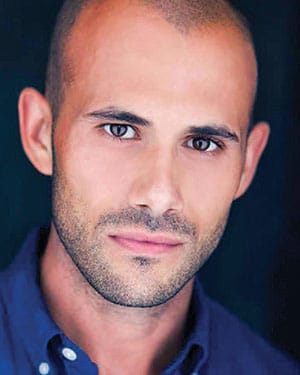
Daniel Duque-Estrada*
Carlos
Daniel is thrilled to be back at Berkeley Rep, after appearing in Mother Road in 2024. He has appeared Off-Broadway (Second Stage, The Women's Project) and at regional theatres across the country, including Acting Company Memberships at Dallas Theater Center, The Oregon Shakespeare Festival, and Trinity Repertory Company. Locally, Daniel has appeared at CalShakes, Shotgun Players, Marin Theatre Company, Oakland Theater Project, and The Magic Theatre, where he is also the producing director. He is the owner of Rosa Blanca Books, a mobile bookshop based in El Sobrante, California. He received his MFA from Brown University/Trinity Rep. Para mi madre, que siempre me he cultivado una rosa Cubana.
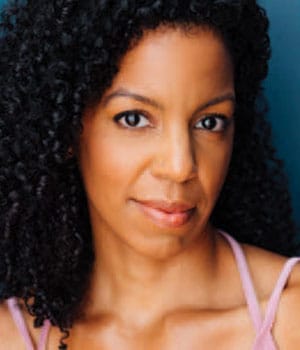
Yesenia Iglesias*
Gladys
Yesenia is a Washington, DC-based actor and educator from Bayamón, Puerto Rico. She is thrilled to be teaming up again with David Mendizábal for her Berkeley Rep debut! Select theatre credits include Public Charge (The Public Theater), Don’t Eat the Mangos (Huntington), Metamorphoses (Folger Shakespeare Theatre), At the Wedding (Studio Theatre), POTUS (Arena Stage), Primary Trust and Daphne’s Dive (Signature Theatre), and Kid Prince and Pablo (Kennedy Center), among others. Her work also has been featured in various commercials and audio books. She received her MFA from the University of Washington. She is grateful for her family's endless support and for Nicole at MMV!
Luis Kelly-Duarte *
U/S Carlos
Luis is a Nicaraguan-born actor and writer raised in the Bay Area and is ecstatic to be working at Berkeley Rep. Recent theatre credits include Shifty in Red Harlem (world premiere for Company of Angels), Lloyd Boateng in One Man, Two Guvnors (A Noise Within), and Antonio in Twelfth Night (Antaeus Theatre Co.). Previous credits include Macbeth in Macbeth (Off Square Theatre) and Mitch in A Streetcar Named Desire (Boston Court). His film and TV appearances include Archenemy, Shameless, and Animal Kingdom. He is a company member of Antaeus Theatre Company. Luis is grateful to God and his family, whose support is immeasurable. @authenticLKD
Georgina Morillo*
Elena/Rosa, U/S Gladys
Georgina is an Afro-Dominicana actress from Harlem, New York. Passionate about bold story‑telling that centers joy, truth, and underrepresented voices, she is thrilled to be performing at Berkeley Rep and grateful to share this story with its audiences. Favorite credits include The Mountaintop and A Midsummer Night’s Dream. She tours nationally with the Black Latina Movement in Black Latina: The Play and is a producer of NATIVES the Series. She trained at Syracuse University, Shakespeare’s Globe, the William Esper Studio, LAByrinth Theater Company, and INTAR Theatre. @_georginamorillo georginamorillo.com

Ashton Muñiz*
Julio
Ashton recently made their feature film debut in Maggie Gyllenhal’s The Bride. Their recent stage credits include The Inheritance (Broadway), 24-Decade History of Popular Music (St. Ann’s Warehouse), demons (Bushwick Starr), I Wanna F*ck Like Romeo & Juliet (59E59), as well as productions at Cherry Lane, NYTW, The Public, Second Stage, and more. Ashton's collaborations with visual artists have been featured around the world including Art Institute of Chicago, Centre National de la Danse, The Guggenheim, Lehmann Maupin, New Museum, Pace Gallery, and Swiss Institute. They trained at Ithaca College, Moscow Art Theatre School, Shakespeare & Company, and the Hillman Grad Mentorship Lab. @arshton

Monica Rose Slater
U/S Adria/Lourdes
Monica is a San Francisco-based Brazilian American actor, singer, and educator delighted to be making her Berkeley Rep debut! Since moving to the Bay Area in 2021, she has performed with Berkeley Playhouse, the Eugene O'Neill Foundation, New Conservatory Theatre Center, Oakland Theater Project, SF Playhouse, Word for Word, and more. She produced and starred in Two Sisters and a Piano and the Brazilian chamber opera Domitila. She is especially drawn to musically and narratively rich interdisciplinary work centering Latine stories. Monica teaches voice privately and at the non-profit Cadence for Change. She holds a Masters of Music from the San Francisco Conservatory of Music. @monicaroseslater monicaroseslater.com
Omar Stewart
U/S Julio
Omar is a San Francisco-based actor thrilled to join the company of The Cook at Berkeley Repertory Theatre. His recent credits include Choir Boy (Shotgun Players) and Hot Wing King (New Conservatory Theatre Center).

Courtney Thomas*
U/S Elena/Rosa
Courtney is thrilled to be making her Berkeley Repertory Theatre debut. Her Off-Broadway credits include Emotional Creature (Signature Theatre) and Surely Goodness & Mercy (Keen Company). Her regional credits include Crowndation (Center Theatre Group), The Mountaintop (Geffen Playhouse), and Race (American Conservatory Theater). Her TV credits include TBS’ Foul Play with Anthony Davis, Grey’s Anatomy, How to Get Away with Murder, and Shameless. She received her BFA from Howard University's Chadwick Boseman College of Fine Arts; MFA from American Conservatory Theater.
Pronouns: she/her
Eduardo Machado
Playwright
Eduardo Machado was born in Cuba and his family settled in Los Angeles. He is the author of over fifty plays including The Floating Island Plays, Once Removed, Stevie Wants to Play the Blues, A Burning Beach, Havana is Waiting, The Cook, Mariquitas, Worship, Celia and Fidel, and Not About Me. His plays have been produced Off-Broadway and at regional theatres, as well as in Europe and South America. Select credits include the Actors Theatre of Louisville, American Place Theatre, Arena Stage, Cherry Lane, Ensemble Studio Theatre, Goodman, Hampstead Theatre, Hartford Stage, INTAR, Long Wharf Theatre, Mark Taper Forum, Seattle Rep, Theatre for the New City, and the Williamstown Theatre Festival. Mr. Machado previously taught playwriting as the head of playwriting at Columbia University and NYU Tisch School of the Arts, and was the artistic director of INTAR Theatre. Some of his plays are published by TCG and Samuel French. His food memoir Tastes Like Cuba: An Exile’s Hunger For Home, co-written with Michael Domitrovich, was published by the Penguin Publishing Group. He is now the co-artistic director of Suite 524, a new theatre company based in New York City.
David Mendizábal
Director
David is a Lucille Lortel and Helen Hayes Award-winning director, designer, and the associate artistic director and director of In Dialogue at Berkeley Repertory Theatre. They serve as one of the producing artistic leaders of the Obie Award-winning The Movement Theatre Company and is a founding collective member of the Obie Award-winning Sol Project. Select directing credits include All My Sons (Berkeley Rep), the bandaged place (Roundabout Underground, NYSAF), Don’t Eat the Mangos (Huntington Theatre, Magic Theatre), Mexodus (Audible Theater), Mother Road (Berkeley Rep), and Sanctuary City (Berkeley Rep, Arena Stage). David directed and designed the costumes for the world premiere of Notes on Killing Seven Oversight, Management, and Economic Stability Board Members (Soho Rep). They are the recipient of a Princess Grace Award Honoraria. Alumnus of the Soho Rep Project Number One Residency, Ars Nova Vision Residency, Drama League Directors Project, LAByrinth Intensive Ensemble, Lincoln Center Theatre Directors Lab, artEquity, and TCG Leadership U. David is an alum of New York University’s Tisch School of the Arts at Playwrights Horizons Theatre School. @its_daveed | davidmendizabal.com
Pronouns: They/He
Tanya Orellana
Scenic Design
Tanya designs performance spaces for theatre, opera, and immersive installations. She is based in New York City and originally from San Francisco. Her work has been seen in venues across the US including Berkeley Rep, Denver Center for the Performing Arts, Geffen Playhouse, Getty Villa, The Guthrie, The Huntington Gardens, Huntington Theatre, The Kennedy Center, Pasadena Playhouse, and Yerba Buena Center for the Arts. Tanya is a core member of the award-winning ensemble Campo Santo, a member of Wingspace Design, and an organizing member of La Gente: The Latiné Theatre Production Network. She received an MFA in scenic design from CalArts.
pronouns: she/her
Toni-Leslie James
Costume Design
Ms. James has designed 31 Broadway productions including Gypsy, Mother Play, Flying Over Sunset, Bernhardt/Hamlet, Come From Away, Jitney, Amazing Grace, Lucky Guy, The Scottsboro Boys, Finian's Rainbow, Ma Rainey's Black Bottom, King Hedley II, The Wild Party, Marie Christine, Footloose, The Tempest, Twilight: Los Angeles, 1992, Angels in America: Millennium Approaches & Perestroika, Chronicle of a Death Foretold, and Jelly’s Last Jam. Selected awards and nominations include four Tony Award nominations, the 2019 Drama Desk Award, the Hewes Design Lifetime Achievement Award, the Irene Sharaff Young Masters Award, and the Obie Award for Sustained Costume Design Excellence.
Mextly Couzin
Lighting Design
Mextly’s Broadway credits include JOB. Her Off-Broadway credits include The Potluck, Henry 6, Mexodus, Indian Princesses, BIGFOOT!, Rheology, N/A, Fiasco Theatre’s Pericles, A Good Day to Me Not to You, Here We Are (ALD), Straight Line Crazy, peerless, and Tambo & Bones. Her regional and US credits include Alley Theatre, Arena Stage, Baltimore Center Stage, Berkeley Rep, Centro de Bellas Artes Puerto Rico, La Jolla Playhouse, The Old Globe, Seattle Opera, and Woolly Mammoth. Her international credits include Théâtre des Champs-Elysées and Nuits de Fourvière. She is the co-founder of MXD Lighting and the 2023 recipient of The 1/52 Project grant. She received her MFA from the University of California, San Diego ’20. mextlycouzin.com
Mikaal Sulaiman
Sound Design & Original Music
Mikaal is a Tony Award-winning multidisciplinary artist working across theatre, film, television, and podcasts as a sound designer, composer, writer, and director. His Broadway credits include Death of a Salesman (2026), Art, Pirates! The Penzance Musical, The Roommate, An Enemy of the People, Doubt: A Parable, The Thanksgiving Play, Fat Ham, Death of a Salesman (2022), and Macbeth. His honors include a Tony Award, an Obie Award, a Creative Capital Award, and Henry Hewes Design Awards, as well as a Drama Desk Award nomination. mikaal.com
Matthew Armentrout
Wigs & Hair Design
Matthew's Broadway credits include Redwood, A Wonderful World, The Mother Play, Paradise Square (Drama Desk-nominee), Birthday Candles, Flying Over Sunset, Bernhardt/Hamlet, and The Sound Inside. His Off-Broadway work includes Kyoto (LCT), Ava: The Secret Conversations, The Last Bimbo of the Apocalypse, Merrily We Roll Along, and Othello. Regional credits include All My Sons (Berkeley Rep), The Untitled Hunter S Thompson Musical (Signature Theatre), The Inspector (Yale Rep), 3 Summers of Lincoln (La Jolla Playhouse), Midnight in the Garden of Good and Evil (Goodman), Gatsby (ART), and A Transparent Musical (Center Theatre Group). His TV credits include The Marvelous Mrs. Maisel (Emmy-nominee).
The Telsey Office, Karyn Casl, CSA
Casting
With offices in both New York and Los Angeles, The Telsey Office casts for theatre, film, television, and commercials. The Telsey Office is dedicated to creating safe, equitable, and anti-racist spaces through collaboration, artistry, heart, accountability, and advocacy. Please visit thetelseyoffice.com for their credits.
Adi Cabral
Voice & Dialect Coach
Adi is pleased to return to Berkeley Rep having previously worked on Mother of Exiles and Mother Road. Their regional credits include The Importance of Being Earnest (OSF); Oedipus El Rey, Don’t Eat the Mangos, and Fat Ham (Huntington); The Heart Sellers (Cincinnati Playhouse); Laughs in Spanish (Horizon Theatre, Stages, Theatre Squared); Born with Teeth and OR, (Santa Fe Playhouse); Various (Utah Shakespeare Festival); and Mojada: A Medea in Los Angeles (Repertory Theatre of St. Louis). Additional credits include On Call (Prime) and Law & Order: SVU (NBC), as well as numerous audiobooks. SAG-AFTRA member. VASTA president. Professor of voice and movement at the University of Nevada, Reno. They hold an MFA in theatre performance from ASU. adicabral.com
Pronouns: They/Them
Sofie Miller *
Stage Manager
Sofie is delighted to return for another season with Berkeley Rep. Recent productions include How Shakespeare Saved My Life, The Hills of California, the aves, and The Matchbox Magic Flute. Favorite productions include Angels in America, Kiss My Aztec, Imaginary Comforts, Latin History for Morons, Roe, Party People, and The Intelligent Homosexual’s Guide to Capitalism and Socialism with a Key to the Scriptures. Sofie has also worked regionally with American Conservatory Theater, Aurora Theatre Company, California Shakespeare Theater, Magic Theatre, Presidio Theatre, Shakespeare Santa Cruz, and TheatreWorks SV.
Pronouns: She/Her
Emma Walz *
Assistant Stage Manager
Emma's Berkeley Rep credits include The Lunchbox, The Hills of California, The Reservoir, The Thing About Jellyfish, Galileo, Cult of Love, Clyde's, and the ripple, the wave that carried me home. Her work with American Conservatory Theater includes credits such as Girls Chance Music, A Streetcar Named Desire, Co-Founders, A Whynot Christmas Carol, A Christmas Carol, Poor Yella Rednecks, and The Wizard of Oz. Emma hails from Arizona, where she worked with All Puppet Players and The Phoenix Theatre Company.
Johanna Pfaelzer
Artistic Director
Johanna joined Berkeley Rep in 2019 as its fourth artistic director following 12 years as the artistic director of New York Stage and Film (NYSAF), a New York City-based organization dedicated to the development of new works for theatre, film, and television. Notable works developed under Johanna’s leadership at NYSAF include Hamilton by Lin-Manuel Miranda, The Humans by Stephen Karam, Hadestown by Anaïs Mitchell, The Wolves by Sarah DeLappe, The Invisible Hand by Ayad Akhtar, A 24-Decade History of Popular Music by Taylor Mac, The Homecoming Queen by Ngozi Anyanwu, The Great Leap by Lauren Yee, John Patrick Shanley’s Doubt, The Fortress of Solitude by Michael Friedman and Itamar Moses, The Jacksonian by Beth Henley, and Green Day’s American Idiot. In addition, Johanna has developed the work of many notable artists including Jocelyn Bioh, Zach Helm, Halley Feiffer, Billy Porter, Lucy Thurber, Duncan Sheik, V (formerly Eve Ensler), Steven Sater, Jaclyn Backhaus, Patricia Wettig, and Marcus Gardley. Since arriving at Berkeley Rep, Johanna has produced multiple world premieres as well as projects that have gone on to notable future productions including Swept Away, Galileo, Mexodus, and Cult of Love. She was formerly a producing director of Zena Group and served for five years as the associate artistic director of American Conservatory Theater. Johanna is a graduate of Wesleyan University and the Actors Theatre of Louisville apprentice program and has taught in the MFA theatre program at Columbia University School of the Arts. She lives in Berkeley with her husband Russell Champa and their son Jasper.
Tom Parrish
Managing Director
Tom has served as a theatre leader and arts administrator for over 20 years, with experience in organizations ranging from multivenue performing arts centers to major Tony Award-winning theatre companies. Prior to Berkeley Rep, he served as executive director of Trinity Repertory Company, Geva Theatre Center, and Merrimack Repertory Theatre and as associate managing director/general manager of San Diego Repertory Theatre. His work has been recognized with a NAACP Theatre Award for Best Producer and “Forty Under 40” recognition in Providence, Rochester, the Merrimack Valley, and San Diego. He received his MBA/MA in arts administration from Southern Methodist University; BA in theatre arts and economics from Case Western Reserve University; attended the Commercial Theater Institute, National Theater Institute, and Harvard Business School’s Strategic Perspectives in Nonprofit Management; and is certified in leading diversity, equity, and inclusion by Northwestern University. He and his husband live in Berkeley.
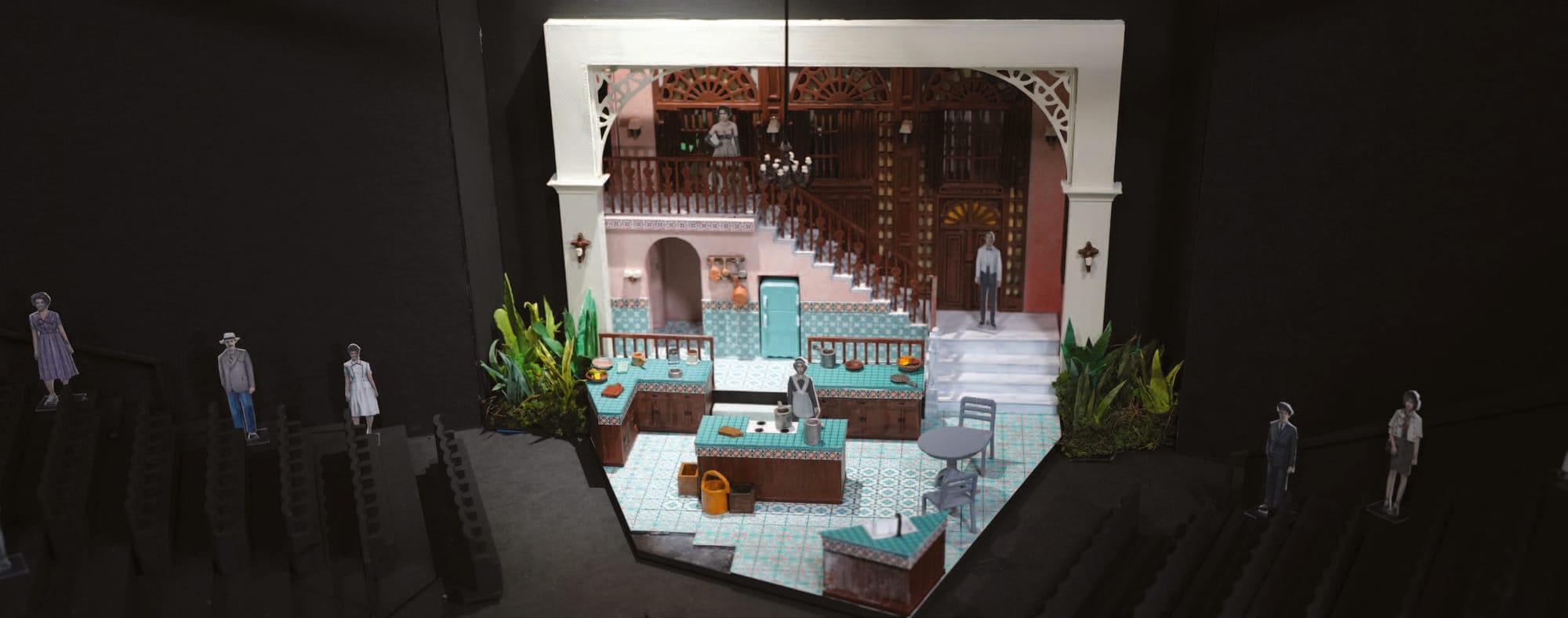
Making a Kitchen for The Cook
Our scene shop specializes in creating environments that envelop the audience in the world of the play. Given its importance to the show, the house (and especially the kitchen) that is Gladys’s domain in The Cook required a high level of authenticity. Our scenic artists were up to the task.
“For years, I’ve had a nerdy passion for Cuban tile,” says Berkeley Rep’s charge scenic artist Lisa Lázár. “The tiles we’re replicating are encaustic, a tile-making process that’s been in use since the Middle Ages.”
Encaustic tile is inlaid; the color isn’t just a top glaze, but a deep layer of differently-colored clays that create the pattern. This means that after decades, or even centuries, of foot traffic, the tiles still look like new. Many of Havana’s beautiful homes were made with this level of craftsmanship. It’s allowed them to retain much of their original look, even after years of fascism, revolution, and embargo.
“There’s something about how a square turns and twists and creates a really dynamic composition with the most simple shapes. The tile shown here is based directly on tile from an old home in Havana,” Lisa explains. “We cut a stencil based on that design, and then we painted, using this template over and over again.
“Of course, we could do this kind of project digitally,”—have it printed or cut out of vinyl—“but we want to replicate the handmade quality of the original.
What this means, especially for shows like The Cook that require the depth of real-world textures, is that the audience experience becomes richer, more immersive, and more resonant—even if they don’t notice every detail.
Welcome to Gladys’s kitchen. — DC Scarpelli, creative director
Print Edition