In This Program
The Concert
Saturday, April 25, 2026, at 7:30pm
Daniel Bartholomew-Poyser conducting
Richard Strauss
Sunrise from Also sprach Zarathustra (1896)
Edward Elgar
March No. 3 in D major from
Pomp and Circumstance, Opus 39 (1901)
Wolfgang Amadeus Mozart
Molto allegro from Symphony No. 40 in G minor, K.550 (1788)
William Grant Still
Moderately Slow from Symphony No. 2,
Song of a New Race (1937)
Paul Hindemith
March from Symphonic Metamorphosis on Themes of Weber (1943)
Intermission
Richard Wagner
Prelude to Act III of Lohengrin (1850)
Kyle Gordon
The Little Bird (2026)
SF Symphony Commission and World Premiere
Gustav Mahler
Adagietto from Symphony No. 5 (1902)
Amy Beach
Allegro di molto from Symphony in E minor, Opus 32, Gaelic (1894)
This concert is generously sponsored by Dr. Rahul Prasad & Dr. Sharmila Majumdar.
Additional sponsorship is provided by the Louise M. Davies Foundation.
About the Conductor
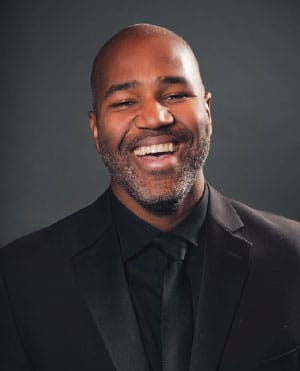
Daniel Bartholomew-Poyser
A passionate communicator, Daniel Bartholomew-Poyser brings clarity and meaning to the concert hall, fostering deep connections between audiences and performers. He has been the San Francisco Symphony’s Resident Conductor of Engagement and Education since 2021, and has extended his contract through the 2026–27 season. Bartholomew-Poyser is concurrently the Barrett Principal Education Conductor and Community Ambassador of the Toronto Symphony, Artist in Residence and Community Ambassador of Symphony Nova Scotia, and Principal Youth Conductor and Artistic Partner of Canada’s National Arts Centre Orchestra. He previously served as assistant conductor of the Kitchener-Waterloo Symphony and associate conductor of the Thunder Bay Symphony Orchestra. Bartholomew-Poyser has performed with the Detroit Symphony, Carnegie Hall Link-Up Orchestra, Canadian Opera Company, Vancouver Symphony, Edmonton Symphony, Calgary Philharmonic, Chicago Philharmonic, was cover conductor with the Washington National Opera in 2020, and was music director of the Kennedy Center Summer Music Institute in 2022.
Recently, Bartholomew-Poyser debuted with the New York Philharmonic and New Jersey Symphony in addition to making his debut at the Hollywood Bowl with the Los Angeles Philharmonic in an all-Tchaikovsky program. Host of the Canadian Broadcasting Company’s weekly radio show Centre Stage, he also serves on the board of the Conductor’s Retreat at Medomak in Michigan. He is the subject of a multi award–winning CBC documentary Disruptor Conductor, focusing on his efforts to extend the boundaries of the orchestral music world through concerts for neurodiverse, incarcerated, African diaspora, and LGBTQ2S+ populations.
Bartholomew-Poyser earned his bachelor’s degree in music performance and education from the University of Calgary and his master of philosophy in performance from the Royal Northern College of Music in Manchester, England.
Four Questions for the Conductor
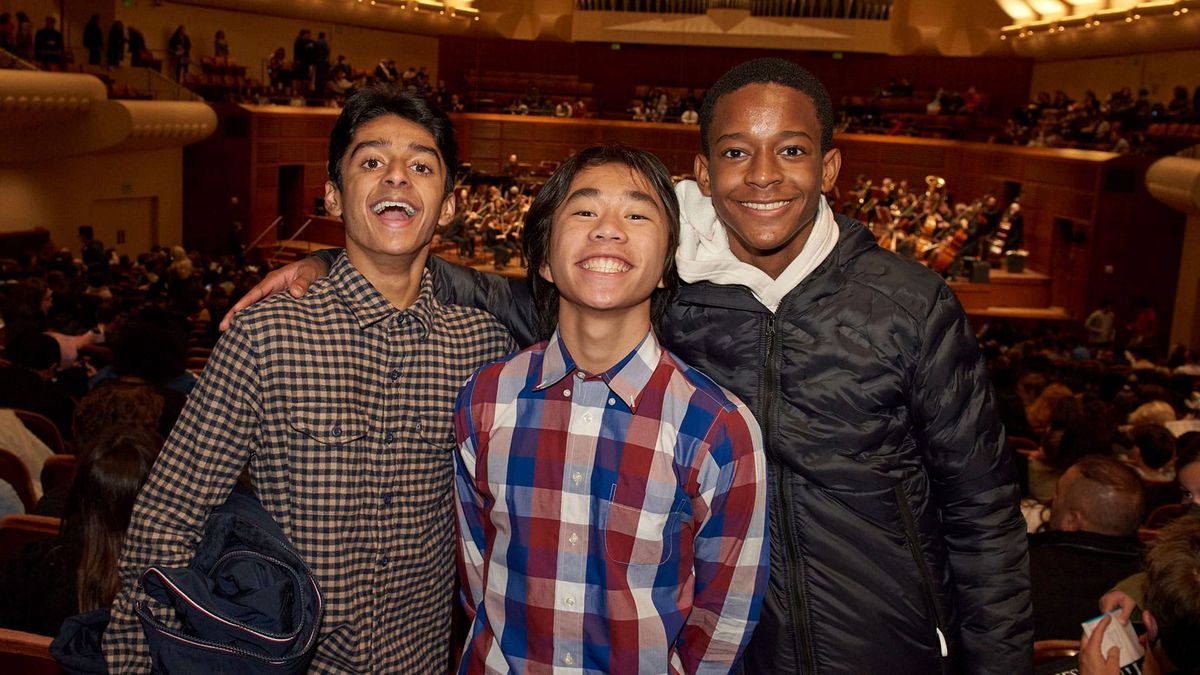
How is an audience full of young people different from other audiences?
[Laughter] If you don’t engage young people immediately, you feel the energy leave the room very quickly! The thing is, they give you a lot of energy too; you come out on stage to uninhibited applause and yells and that gives you a lot. There’s a real need to explain things in a way that’s fun, exciting, and understandable.
What do you try to accomplish in a concert?
To provide an experience listeners will remember five to 10 years later. If you have a good amount of music teens are somewhat familiar with, then you can challenge them with things they’re unfamiliar with. Surprise the audience! That variety can help provide a memorable experience.
How did you decide to become a conductor, and what has been your experience with it along the way?
It’s interesting, because it never occurred to me that I could not be a professional orchestra conductor. I was often the only Black kid in my class, and all my music teachers were white, but all of them said “absolutely, you should be a conductor.” My family was like, “go for it!” Fortunately, I haven’t encountered overt racism on my path. I like the fact that when people—especially young people—see me, they see a Black conductor. Because now they know hey, maybe if they want to be a conductor, they can be a conductor too. This world is for them. But I long for the day when a Black conductor isn’t a novelty.
How does it feel to conduct the SF Symphony?
Never in my wildest dreams as a youth did I think I’d be conducting the San Francisco Symphony. Once you’ve had that experience, you carry that sound with you. You carry the response of the musicians with you and you know that experience makes you so much better for everything else. With a group this good, what you can accomplish as a conductor is only limited by your own imagination.