May 2 – 17, 2026 | McCaw Hall
In This Program
- Show Information
- Who’s Who
- Letters
- Features
- Additional Information
Production Sponsors
2025/26 Season Sponsor
4Culture
Production Sponsors
Sue Buske
Artist Sponsor
Fulcrum Capital
Mr. Richard and Mrs. Mary Beth Gemperle
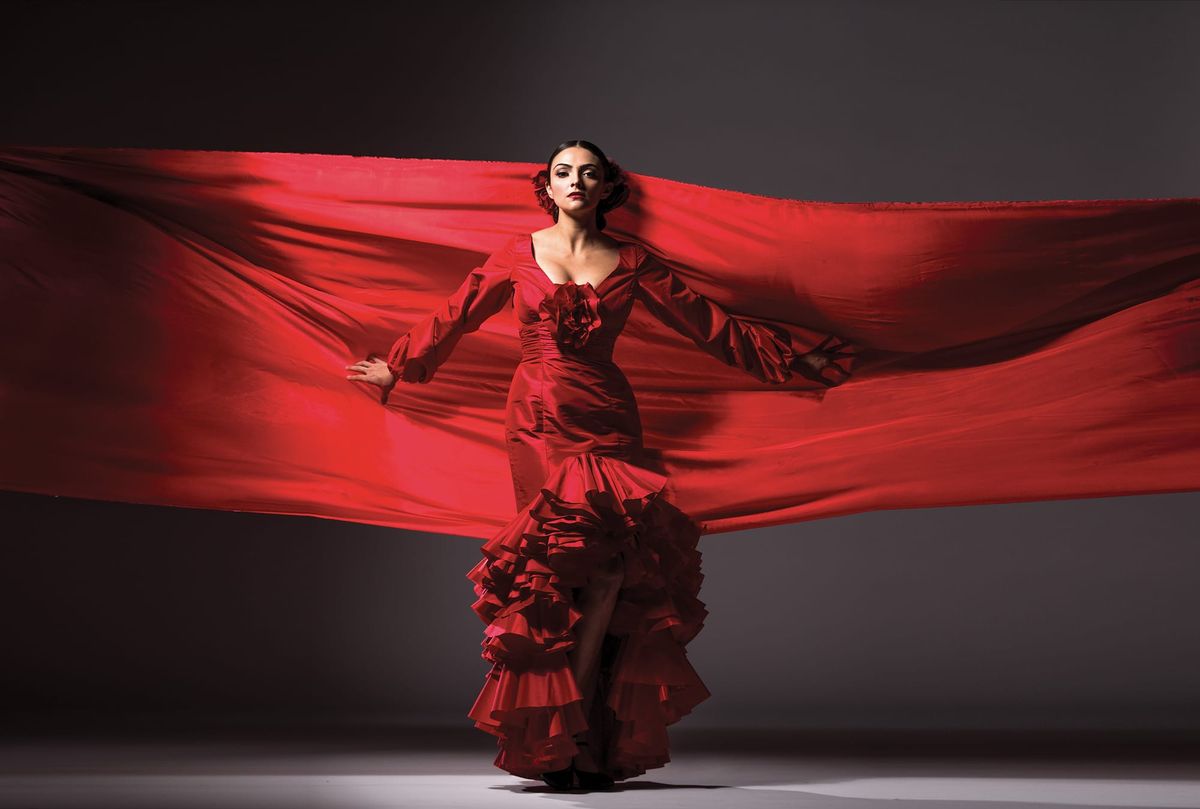
J’Nai Bridges as “Carmen”
Dr. Suzanne and Mr. Jay Wakefield
Sasha Cooke as “Carmen”
Shannon Sperry and Paul Goodrich
Matthew Cairns as “Don JosÉ”
We are deeply grateful to you, Seattle Opera’s 5,700+ Annual Fund donors.
Your passion for opera and contributions at every dollar amount inspire great performances at McCaw Hall, and support engaging activities at the Opera Center and throughout Washington state all season long!
Thank you!
Music by Georges Bizet
Libretto by Henri Meilhac and Ludovic Halévy
Premiere: Opéra-Comique, Paris, 1875
Seattle Opera Premiere: 1964
Performed at Marion Oliver McCaw Hall:
May 2, 3, 8, 9, 10, 13, 16, & 17, 2026
In French with English captions.
Act I: 50 minutes
Intermission: 25 minutes
Act II: 42 minutes
Intermission: 25 minutes
Act III and IV: 65 minutes
CONDUCTOR
Ludovic Morlot
STAGE DIRECTOR & CHOREOGRAPHER
Paul Curran
SET & COSTUME DESIGNER
Gary McCann
LIGHTING DESIGNER
Paul Hackenmueller
ASSOCIATE LIGHTING DESIGNER
Connie Yun
HAIR AND MAKEUP MANAGER & DESIGNER
Ashlee Naegle
CHORUS MASTER
Michaella Calzaretta
YOUTH CHORUS MASTER
Julia Meyering
FIGHT DIRECTOR
Geoffrey Alm
ENGLISH CAPTIONS
Jonathan Dean
Cast
(in order of appearance)
MORALÈS
Ilya Silchukou
MICAËLA
Kathleen O’Mara †
DON JOSÉ
Matthew Cairns † (May 2, 8, 10, & 16)
Ryan Capozzo † (May 3, 9, 13, & 17)
ZUNIGA
Darren Drone
CARMEN
Sasha Cooke (May 2, 8, 10, & 16)
J’Nai Bridges (May 3, 9, 13, & 17)
OFF-STAGE SCREAM
Dana Johnson Robbins
FRASQUITA
Meredith Wohlgemuth †
MERCÉDÈS
Melody Wilson
ESCAMILLO
Christian Pursell † (May 2, 8, 10, & 16)
Benjamin Taylor † (May 3, 9, 13, & 17)
El REMENDADO
Daniel O’Hearn †
EL DANCAIRO
Navasard Hakobyan †
VENDOR
Meg Stoltz
BOHEMIAN
Mark Davies
ASSOCIATE CONDUCTOR
Sunny Xia
MUSIC PREPARATION
Laura Bleakley, David McDade, Jay Rozendaal
ORCHESTRA LIBRARIAN
Jay Rozendaal
ASSISTANT STAGE DIRECTOR
Anderson Nunnelley
PRODUCTION STAGE MANAGER
Jonathan Moore
ASSISTANT STAGE MANAGERS
Quinn Chase, Jamie Kranz
Carmen is a co-production between Seattle Opera, Irish National Opera, and Opera Philadelphia
English caption © Jonathan Dean
† Seattle Opera mainstage debut
Opera presentation and production © Seattle Opera 2026.
Copying of any performance by camera , audio, or video recording equipment, and by any other copying device, and any other use such as copying devices during the performance is prohibited.
The Story
ACT I
Officers on guard duty near a cigarette factory pass the time people-watching. Micaëla, a girl from the country, approaches them, asking for Don José. They tell her he will be there soon. A bell rings, the women working in the factory emerge from their afternoon break, and the men all ask for Carmen. When she finally appears, they ask when she will love them, but she tells them her love is unpredictable. Since Don José is doing his best to ignore her, Carmen tempts him, tossing a flower at him.
When the cigarette girls have gone into the factory, Micaëla approaches Don José with a kiss and a letter from his mother. In the letter, José’s mother encourages him to marry Micaëla. But a hubbub bursts out in the cigarette factory: Carmen has gotten into a fight with a colleague. Zuniga arrests Carmen and assigns Don José to guard her. Carmen seduces Don José, who lets her escape. José is hauled off to prison.
INTERMISSION
ACT II
At a tavern a month later, Carmen, Frasquita, and Mercédès dance while Zuniga and some officers look on. Zuniga tells Carmen that Don José has served his time in prison and was released that very day. Escamillo arrives with a crowd of admirers and impresses everyone except Carmen. After he leaves, Carmen and her friends plan a smuggling operation with El Dancairo and El Remendado. The men want Carmen to accompany them, but she refuses, saying that she is in love.
Don José arrives. Carmen begins dancing for him. But he stops her when a bugle summons him back to the barracks. When he declares he must go, she mocks his sense of duty. Hurt, he shows Carmen that he still has the flower she tossed at him. She asks him to run away with her. Zuniga returns, hoping to find Carmen alone, and he and José draw swords; El Dancairo and El Remendado separate them. Rather than go back to prison, Don José agrees to join the smugglers.
INTERMISSION
ACT III
At the smuggler’s hideout, Don José and Carmen quarrel. Carmen is done with him, but he is unwilling to leave her. Mercédès, Frasquita, and Carmen foretell their futures in the cards; the first two find love and wealth, but Carmen sees only death. The bandits leave—the women will distract the customs guards while the men smuggle their contraband. Escamillo comes looking for Carmen. He fights with Don José, but Carmen intercedes. Micaëla appears and implores Don José to return to his mother, who is dying. Carmen tells him to go, but Don José warns her they are not yet through.
ACT IV
Outside the bullring in Seville, Carmen and Escamillo profess their love for each other. Frasquita cautions Carmen that Don José is waiting for her. Carmen says she is not afraid and goes to confront him. He begs her to leave with him, but she refuses. She throws a ring José gave her at his feet, and he kills her.
A NOTE ON OUR TRANSLATION:
Bohémien, a French word used in this libretto to describe Carmen and her associates, and traditionally translated into English as “gypsy,” has become entangled with a variety of different meanings. Originally, it was a pejorative slur assigned to Roma, the nomadic and often vilified group commonly believed by the French to have originated from the Bohemia region of the Czech Republic. Later, bohémien came to be associated with artists, writers, musicians, and actors who were starting to concentrate in the lower-rent, lower-class neighborhoods of 19th-century Paris.
The French word you’ll hear everyone singing in this opera is bohémien (and sometimes bohémienne); we have chosen to render this word (spelled, in English, “Bohemian”) in the supertitles for this production.
Who’s Who
Artists
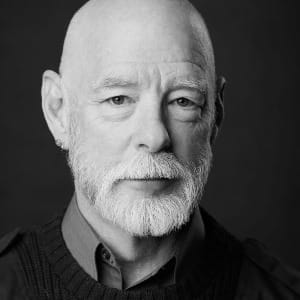
GEOFFREY ALM
Fight Director (Seattle, WA)
Seattle Opera Debut: War and Peace (’90)
Previously at Seattle Opera: Tosca (’25); Jubilee (’24); Pagliacci (’24)
Engagements: Fat Ham, The Skin of Our Teeth (Seattle Rep); Sweat (ACT Theatre); Macbeth (Seattle Shakespeare Company); Camelot (Village Theatre)
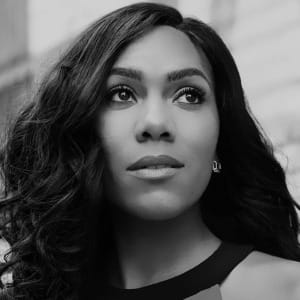
J’NAI BRIDGES
Carmen
Mezzo-soprano (Tacoma, WA)
Seattle Opera Debut: Delilah, Samson and Delilah in Concert (’23)
Previously at Seattle Opera: Dido, Les Troyens in Concert (’25)
Engagements: Maddalena, Rigoletto (San Francisco Opera); Elizabeth Proctor, The Crucible (Washington National Opera); Soloist, Brian Field’s Hymn for the Hurting, Julia Perry’s Stabat Mater (Nashville Symphony); Lucinda, Intelligence (Houston Grand Opera); Nefertiti, Akhnaten, Soloist, El Niño (The Metropolitan Opera); Carmen, Carmen (Teatro Real, Cincinnati Opera)
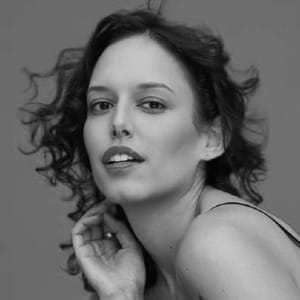
AMBER JANELLE BROWN
Dancer (Philadelphia, PA)
Seattle Opera Debut
Engagements: Carmen (Opera Philadelphia); Man of La Mancha (Fulton Theatre); Cristal Palace (Compagnie Transe Express); A Funny Thing Happened on the Way to the Forum, Saturday Night Fever (Walnut Street Theatre)
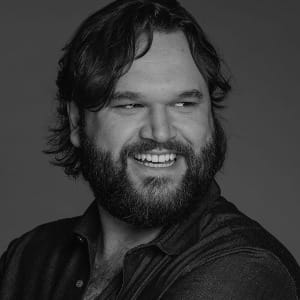
MATTHEW CAIRNS
Don José
Tenor (Toronto, Ontario)
Seattle Opera Debut
Engagements: Ismaele, Nabucco, Drum Major, Wozzeck, Macduff, Macbeth (Canadian Opera Company); Don José, Carmen (Des Moines Metro Opera); Froh, Das Rheingold (Opéra national de Paris); Cavaradossi, Tosca (National Arts Centre Orchestra)
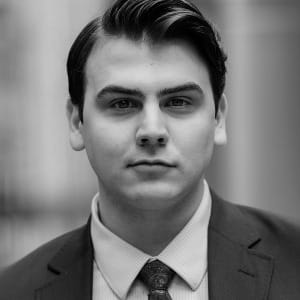
RYAN CAPOZZO
Don José
Tenor (Huntington Station, NY)
Seattle Opera Debut
Engagements: The Prince, Rusalka (Gran Teatre del Liceu, Irish National Opera); Narraboth, Salome, Voice of a Young Man, Die Frau ohne Schatten (Lyric Opera of Chicago), Macduff, Macbeth (Opéra national de Bordeaux), Don José, Carmen (Schauspielhaus Zürich); Albert Gregor, The Makropulos Case (Scottish Opera)
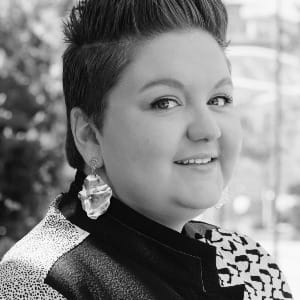
MICHAELLA CALZARETTA
Chorus Master (Muscatine, IA)
Seattle Opera Debut: The Elixir of Love (’22)
Michaella Calzaretta made her Seattle Opera debut in 2022 as the company’s new chorus master and head of music staff. Acclaimed for her high standards and superb preparation skills, Calzaretta oversees all musical activities at the company and prepares the chorus for main stage productions. In January 2024, the chorus embarked on their immensely successful first-ever tour to Mt. Vernon and Vashon Island. Recent praise includes “…continues to impress with her first-rate coaching of her singers” (Broadway World) and “The Seattle Opera Chorus…sang exuberantly and expertly” (The Seattle Times). Calzaretta is a doctoral candidate in choral conducting at Indiana University.
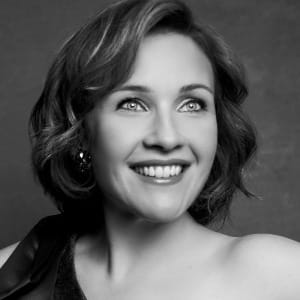
SASHA COOKE
Carmen
Mezzo-soprano (College Station, TX)
Seattle Opera Young Artist 2006/07
Seattle Opera Debut: Meg Page, Falstaff (’10)
Previously at Seattle Opera: Hansel, Hansel and Gretel (’16)
Engagements: Marguerite, The Damnation of Faust (Bard Music Festival); Emilie Ekdahl, Fanny and Alexander (La Monnaie/De Munt); Venus, Tannhäuser (Houston Grand Opera); Soloist, Mahler Symphony No. 2 (San Francisco Symphony); From Jewish Folk Poetry (Carnegie Hall); Love Letters (Wigmore Hall)
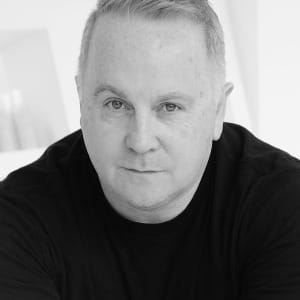
PAUL CURRAN
Stage Director (Glasgow, Scotland)
Seattle Opera Debut: Carmen (’19)
Engagements: Tristan and Isolde (San Francisco Opera); Die Fledermaus (The Grange Festival); La fanciulla del West (Teatro Comunale di Bologna); La clemenza di Tito, Ariadne auf Naxos (Teatro La Fenice)
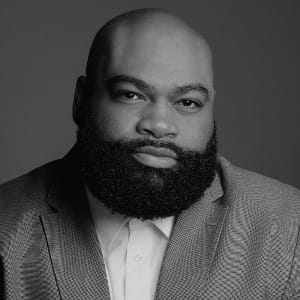
DARREN DRONE
Zuniga
Baritone (Sherwood, AR)
Seattle Opera Debut: Baron Douphol, La traviata (’23)
Previously at Seattle Opera: Edmund Watkins, Jubilee (’24)
Engagements: Adult James/Foreman, Fire Shut Up in My Bones (The Metropolitan Opera); Belcore, The Elixir of Love (Florentine Opera Company); Marcello, La bohème (Glimmerglass Festival); Falstaff, Falstaff (Portland Opera); Tonio, Pagliacci (Utah Opera); Rigoletto, Rigoletto (Royal Danish Opera)

PAUL HACKENMUELLER
Lighting Designer (Minneapolis, MN)
Seattle Opera Debut: Carmen (’19)
Engagements: The Turn of the Screw (Spoleto Festival USA); A Walk on the Moon (Roundabout Theater Company); Elton John Live; Target Corporation’s “Target Together” Fall National Meeting; Delta Airlines LEAD Conference; 2026 Special Olympics Opening and Closing Ceremonies

NAVASARD HAKOBYAN
El Dancairo
Baritone (Yerevan, Armenia)
Seattle Opera Debut
Engagements: Marcello, La bohème, (Houston Grand Opera, Semperoper Dresden); Sharpless, Madama Butterfly (Houston Grand Opera); Gregorio, Roméo et Juliette (The Dallas Opera); Silvio, Pagliacci; Germont, La traviata (Armenian National Opera & Ballet Theatre); Antonio, Il viaggio a Reims (Armenian State Symphony Orchestra); Escamillo, Carmen in Concert (Corpus Christi Symphony Orchestra)
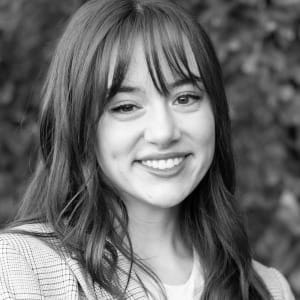
JULIA LILLY
Dancer (Issaquah, WA)
Seattle Opera Debut
Engagements: Graziella, West Side Story (The 5th Avenue Theatre Rising Star Project); Seattle PrideFest (Eleven:Eleven Dance Collective); When I Dreamed of Electric Sheep (Dance Canvas Film Festival); LAUNCH & Puget Sound Dance Festival (Coalescence Dance Company)
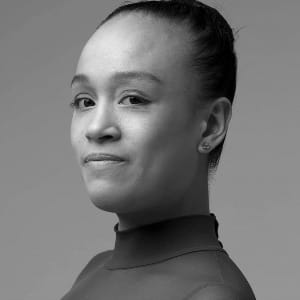
ANNA MARIA MALINS
Dancer (Bellevue, WA)
Seattle Opera Debut
Engagements: Instructor, Mrs. Stahlbaum/Snowflake, The Nutcracker, Wili, Giselle (Emerald Ballet Academy)
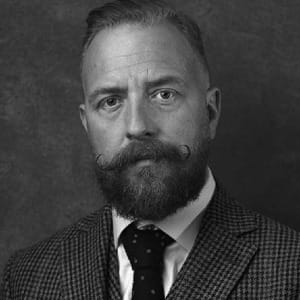
GARY MCCANN
Set & Costumer Designer (County Armagh, Ireland)
Seattle Opera Debut: Carmen (’19)
Engagements: The Merry Widow (Glyndebourne); Phaedra: Hippolytus the Wreath Bearer (Fondazione INDA); The Great Gatsby (The Royal Danish Ballet); Der Rosenkavalier (Santa Fe Opera); La clemenza di Tito (Teatro La Fenice); Nabucco (Teatro alla Scala)
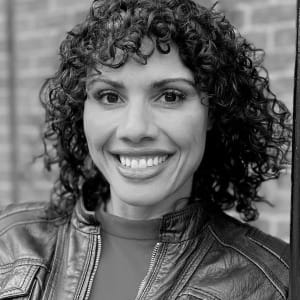
JULIA MEYERING
Youth Chorus Master (Kent, WA)
Seattle Opera Debut: Pagliacci (’24)
Previously at Seattle Opera: Tosca (’25); The Magic Flute (’25)
Julia Meyering made her Seattle Opera singing debut in 2018 as a chorus member in Porgy and Bess (’18). She is thrilled to be joining Seattle Opera as Youth Chorus Master. Currently, she serves as choral director at Tillicum Middle School in Bellevue, WA, where her choirs have won numerous regional, national, and international choir competitions.
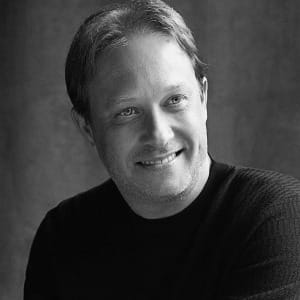
LUDOVIC MORLOT
Conductor (Lyon, France)
Judith Fong Conductor Emeritus of Seattle Symphony
Seattle Opera Debut: Beatrice and Benedict (’18)
Previously at Seattle Opera: Les Troyens in Concert (’25); Das Rheingold (’23); Samson and Delilah in Concert (‘23)
Engagements: Music Director (Barcelona Symphony Orchestra); Associate Artist (BBC Philharmonic); Guest Conductor (Philadelphia Orchestra, Los Angeles Philharmonic, San Francisco Symphony, Danish National Symphony)
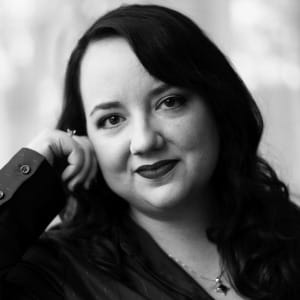
ASHLEE NAEGLE
Wigs, Hair, and Makeup Manager & Designer (Las Vegas, NV)
Seattle Opera Debut: Hair and Makeup Intern, Giulio Cesare (’07)
Ashlee Naegle made a name for herself early on in her career by mastering the dying art of wig building. She created and designed for several companies around town until the Seattle Opera created an in-house Hair and Makeup Designer position for her in 2017. During her time as the in-house Hair and Makeup Designer, she has built a sizable wig collection, built a department, and set high standards for wigs, hair and makeup. With each production, her designs are custom built for the performers and their characters to create a believable façade for the audience as well as complement the costumes and production as a whole.
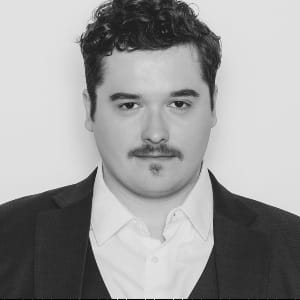
DANIEL O’HEARN
El Remendado
Tenor (Chicago, IL)
Seattle Opera Debut
Engagements: Matteo, Arabella (Deutsche Oper Berlin); Ruiz, Il trovatore, Master of Ceremonies, The Queen of Spades (The Metropolitan Opera); Don José, Carmen (Wolf Trap Opera); Rodolfo, La bohème, Duke of Mantua, Rigoletto (Pittsburgh Opera); Nemorino, The Elixir of Love (Utah Opera)
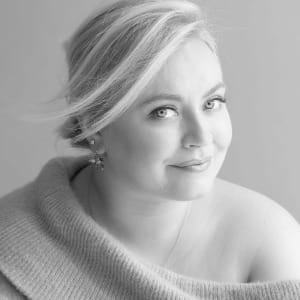
KATHLEEN O’MARA
Micaëla
Soprano (Fort Washington, PA)
Seattle Opera Debut
Engagements: Donna Anna, Don Giovanni (The Metropolitan Opera); Micaëla, Carmen (LA Opera); Elsa, Lohengrin (The Dallas Opera); Helmwige, Die Walküre (Teatro alla Scala); Fifth Maid, Elektra (Bayerische Staatsoper); Mimì, La bohème (San Diego Opera)
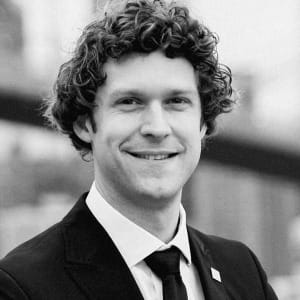
CHRISTIAN PURSELL
Escamillo
Bass-baritone (Santa Cruz, CA)
Seattle Opera Debut
Engagements: Falstaff, Salieri’s Falstaff (Chicago Opera Theatre); Escamillo, Carmen (Dayton Opera); Count Monterone, Rigoletto (Baltimore Symphony Orchestra); Figaro, The Marriage of Figaro (Lyric Opera of Kansas City); Guglielmo, Così fan tutte (Ópera de Oviedo); Soloist, Messiah (American Bach Soloists)
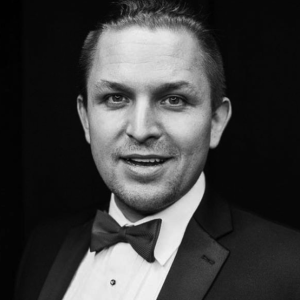
ILYA SILCHUKOU
Moralès
Baritone (Minsk, Belarus)
Seattle Opera Debut: Sciarrone, Tosca (’25)
Previously at Seattle Opera: Samuel, The Pirates of Penzance; First Shepherd, Daphne in Concert
Engagements: Hunter, Rusalka (Teatro alla Scala); Prince Yeletzky, Queen of Spades (Sofia Opera and Ballet); Dandini, Cinderella (Sofia Opera and Ballet, Opéra national de Montpellier); Simeon, L’enfant prodigue (Tacoma Opera); Belcore, The Elixir of Love (Opéra national du Capitole)
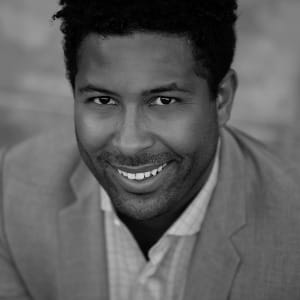
BENJAMIN TAYLOR
Escamillo
Baritone (Philadelphia, PA)
Seattle Opera Debut
Engagements: Moralès, Carmen (The Metropolitan Opera); Jake, Porgy and Bess (The Metropolitan Opera, Washington National Opera); Jan Nyman, Breaking the Waves (Detroit Opera); Paolo, Simon Boccanegra (Opera Philadelphia); Marcello, La bohème (Arizona Opera); Figaro, The Barber of Seville (Madison Opera)
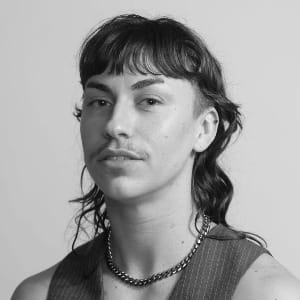
KIT WYATT
Dancer (Leesburg, VA)
Seattle Opera Debut
Engagements: Dance Captain/Rat King/Peacock, Land of the Sweets: The Burlesque Nutcracker, Red Queen/March Hare, Through the Looking Glass (Verlaine & McCann); Dancer, Voyeur (Valtesse); Betty Wetter’s TUSH (Clockout Lounge); Jawbreaker: A Sickeningly Sweet Cabaret (Devil’s Advocates Burlesque); Miss Texas 1988’s High F@ggotry (Unicorn)
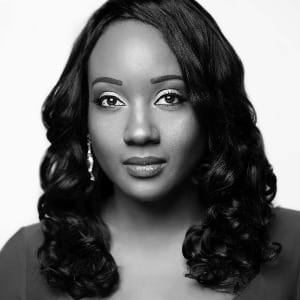
MELODY WILSON
Mercédès
Mezzo-soprano (Newark, DE)
Previously at Seattle Opera: Gaea, Daphne in Concert (’26); Fricka, Das Rheingold (’23)
Seattle Opera Debut: Olga, Eugene Onegin (’20)
Engagements: Amneris, Aida, Delilah, Samson and Delilah (Union Avenue Opera); Rossweisse, Die Walküre (Dallas Symphony Orchestra); Mary, The Flying Dutchman (Lyric Opera of Chicago); Hermia, A Midsummer Night’s Dream (The Atlanta Opera)
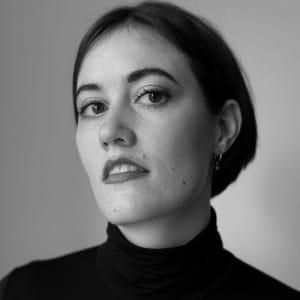
MEREDITH WOHLGEMUTH
Frasquita
Soprano (Winter Haven, FL)
Seattle Opera Debut
Engagements: Sophie, Der Rosenkavalier, Giulietta, I Capuleti e i Montecchi (Staatsoper Hannover); Ilia, Idomeneo (Aspen Music Festival); Soloist, Bruckner’s Te Deum (Deutsche Radio Philharmonie); Soloist, Beethoven’s Symphony No. 9 (Tiroler Festspiele Erl); Soloist, Winter Pops Concert (The Cleveland Orchestra)

CONNIE YUN
Associate Lighting Designer (East Lansing, MI)
Seattle Opera Debut: Die Fledermaus (’06)
Previously at Seattle Opera: Tosca (’25); Samson and Delilah in Concert (’23); The Marriage of Figaro (’22)
Engagements: King Roger (Des Moines Metro Opera); La bohème (Madison Opera); Don Giovanni (The Florentine Opera); Elf the Musical (The 5th Avenue Theatre); Mary Jane (Seattle Rep); The Play That Goes Wrong (Portland Center Stage and Seattle Rep)
Chorus
Soprano
Clarice Alfonso
Jennifer Campbell
Karen Early Evans
Dana Johnson Robbins
Ellaina Lewis
Linda Mattos
Ibidunni Ojikutu
Shelly Traverse
Amy Van Mechelen
Lyndee White
Alto
Lorraine Burdick
Erica Convery
Anneliese Floyd
Erin Hanson
YeonSoo Lee
Elizabeth Peterson
Melissa Plagemann
Bianca Raso
Meg Stoltz
Heidi Vanderford
Tenor
Hugh Davis
Kenneth Foster
James Galbraith
Tim Janecke
Eric Angus Jeffords
Marcus Lee
Ian Loney
Carson Lott
Korland Simmons
Jon Suek
Brendan Tuohy
Bass
Mark Davies
Craig Garretson
Craig Grayson
Glenn Guhr
Benjamin Harris
Zachary Martin
Michael Monnikendam
Jonah Spool
Mark Wanich
Youth Chorus
Mikail Ahmed
Avyana Ewing
Sophie Gardella
Olivia Gutierrez-Hermann
Anthony Kim
Zinaida Koroleva
Advik Krishnan
Thaddeus Meyering
Ava Mohr
Elizabeth Moore
Kaitlyn Naumowicz
Kamea Newhall
Reagan Nino
Stella Peterson
Meredith Webb
Jason Zhang
Dancers
Amber Janelle Brown †, Dance Captain
Julia Lilly †
Anna Maria Malins †
Kit Wyatt †
Alberto Gaspar *†
Supernumeraries
Kristian Kofoed
Charles Liu
John Williams Lynch
Gary Martin
Monk (Daniel) Romer
Ryan Strong
Kevin Swantek
Patrick Tolden
Stephen Willey
Orchestra
Violin I
Noah Geller, Concertmaster
Emerson Millar, Assistant Concertmaster
Timothy Garland
Leonid Keylin
Wayne Lee
Mikhail Shmidt
Yesol Im
Bronwyn James
Caitlin Kelley
Victoria Parker
Violin II
Kathleen Boyer, Principal
Gennady Filimonov, Asst. Principal
Brittany Breeden
Stephen Bryant
Xiao-po Fei
Artur Girsky
Andrew Yeung
James Garlick
Viola
Sayaka Kokubo, Principal
Ursula Steele, Asst. Principal
Wesley Dyring
Timothy Hale
Kayleigh Miller
Camille Ripple
Cello
Sunnat Ibragimov, Principal
Nathan Cottrell, Asst. Principal
Richard Eckert
Emily Hu
Charles Jacot
John Michel
Double Bass
Joseph Kaufman, Principal
Sam Casseday, Asst. Principal
Jennifer Godfrey
Todd Larsen
Flute
Jeffrey Barker, Principal
Robin Peery
Piccolo
Robin Peery
Oboe
Dan Williams, Principal
Stefan Farkas
English Horn
Stefan Farkas, Principal
Clarinet
Emil Khudyev, Principal
Eric Jacobs
Bassoon
Luke Fieweger, Principal
Paul Rafanelli
Horn
Mark Robbins, Principal
Danielle Kuhlmann
John Turman
Jill Jaques
Trumpet
David Gordon, Principal
Michael Myers
Trombone
Ko-ichiro Yamamoto, Principal
Carson Keeble
Eden Garza
Timpani
Eric Schweikert, Principal
Percussion
Michael Werner, Principal
Jonathan Wisner
Matt Decker
Harp
Valerie Muzzolini, Principal
Personnel Manager
Constance Aguocha
Assistant Personnel Manager
Keith Higgins
Rotating members of the string section are listed alphabetically.
Board of Directors
Chair
Maryanne Tagney
President
Jonathan Rosoff
Executive Vice Presidents
Stella Choi-Ray
Joshua Rodriguez
Secretary
Toby Bright
Treasurer
Ellen Evans
Chair Emeritus
John F. Nesholm
Immediate Past President
Lesley Chapin Wyckoff
Vice Presidents
Jason Bergevin
Brenda Bruns, M.D.
Alva Butcher
A. Richard Gemperle
Brian LaMacchia
Andrew Lewis
Aimee Mell
Wanda Nuxoll
Moya Vazquez
Directors
Willie C. Aikens
Evan Bennett
John Bozeat
Milkana Brace
Sue Buske
Ghaddra González Castillo
Lucas Fletcher
Robert Fries
Stephen Hilbert
Deborah Horne
Ron Hosogi
Gary Houlahan
Byron Joyner, M.D.
Maritta Ko
Nate Lee
Brian Marks
Louise Miller
Shana Moffatt
Steve Phelps
Cynthia Sprenger
Michael Theisen, M.D.
Russell F. Tousley
Judy Tsou
Janell F. Turner
Raymond Tymas-Jones, Ph.D.
Suzy Mygatt Wakefield, Ph.D.
Joan S. Watjen
Stephen Whyte
Representatives to the Board
Rachel Curry
BRAVO!
Kipras Mažeika, Eric Jacobs
The Seattle Symphony and Opera Players’ Association
Korland Simmons
Seattle Opera Chorus
Patricia Pavia
Seattle Opera Guild
Bruce Warshaw
IATSE Local 15
Honorary Lifetime Board Members
Bruce R. McCaw
William Weyerhaeuser
Past Presidents Council
Brian Marks
John F. Nesholm
Steve Phelps
Maryanne Tagney
Russell F. Tousley
William Weyerhaeuser
Seattle Opera Foundation
Steve Phelps, President
Milkana Brace
James D. Cullen
Ellen Evans
Robyn Grad
Susanna Morgan
Anne M. Redman
Joshua Rodriguez
John Sullivan
Moya Vazquez
Advisory Board
Co- Chairs:
Kim Anderson
Diana Gale
Linda Allen
John A. Bates
Don Brown
Dr. Gregory Chan
Fernando Encinar
Leslie Giblett
Victoria Ivarsson
Rhona Kwiram
Donna Leon
Michael Mael
Lynn Manley
Esther Neiditsch
Rosemary Peterson
Duane Schuler
Matthew Segal
Stephen A. Sprenger
Barbara Stephanus
Jim Uhlir
Scott W. Wyatt
Letters
From the General & Artistic Director
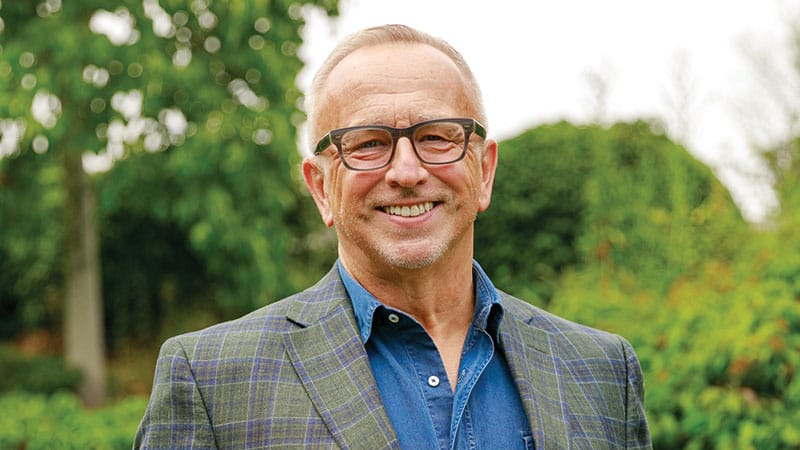
It is my great pleasure to welcome you to Carmen, Seattle Opera’s final production of the season. And what a way to round out the season! Carmen remains one of the most popular operas ever written—if it’s not THE most popular. Although its premiere in 1875 was a notorious shocker and scandalized its first audiences, Carmen has never left the operatic repertoire. Its brilliantly familiar tunes and high-tension drama have helped to make it a surefire and enduring hit. And then there is Carmen herself: opera’s greatest fiery femme fatale.
Speaking of Carmen, our performances feature two dynamic mezzo-sopranos taking on the title role. Two-time Grammy Award-winner Sasha Cooke returns to McCaw Hall to make her role debut as Carmen. And Tacoma’s very own operatic superstar and multiple Grammy winner J’Nai Bridges returns to Seattle Opera in her most lauded role.
This production also introduces several exciting new artists to Seattle Opera. Among them are tenors Matthew Cairns and Ryan Capozzo singing the role of Don José, Carmen’s ensorcelled and doomed lover; baritones Benjamin Taylor and Christian Pursell as the swaggering toreador Escamillo; and Kathleen O’Mara, an ascendant soprano star, in the role of the brave and devoted Micaëla.
We are thrilled to have one of our favorite conductors, Ludovic Morlot, leading the members of the Seattle Symphony. Maestro Morlot is a familiar presence at Seattle Opera, having conducted Les Troyens and Samson and Delilah, both in concert, and Das Rheingold. The dynamic Scottish director, Paul Curran, also returns to helm his widely praised production of this Bizet masterpiece.
It has been quite a season for us at Seattle Opera. We presented three new-to-Seattle titles—Gilbert and Sullivan’s The Pirates of Penzance, Richard Strauss’s Daphne in Concert and Gregory Spears’ Fellow Travelers—and we saw thousands of new faces at our performances. Further, we have continued our commitment to community engagement and youth opera programs, and we invited more than 2,200 area students to a special matinee of The Pirates of Penzance. So much of this success is due to you—yes, YOU!—our passionate patrons and generous supporters who continue to invest in all that we do at Seattle Opera. Thank you.
One final thing: Do check out our 2026/27 announcement on page 12 of your program. We are presenting that most famous of all famous operas, La bohème, in a new co-production with the Santa Fe Opera as well as two titles that have been absent from our stage for a while—Strauss’s gripping Salome and Delibes’ luscious Lakmé in Concert. We also showcase a modern masterpiece, El último sueño de Frida y Diego (The Last Dream of Frida and Diego), by composer Gabriela Lena Frank and playwright Nilo Cruz. Performed in Spanish, this opera features a beautiful, otherworldly love story about the painters Frida Kahlo and Diego Rivera set to truly sumptuous music in an eye-popping feast-for-the-eyes production. If you haven’t secured your season subscription, I highly recommend you do so!
Now, please enjoy Carmen!
Sincerely yours,
James Robinson
General and Artistic Director
From the President
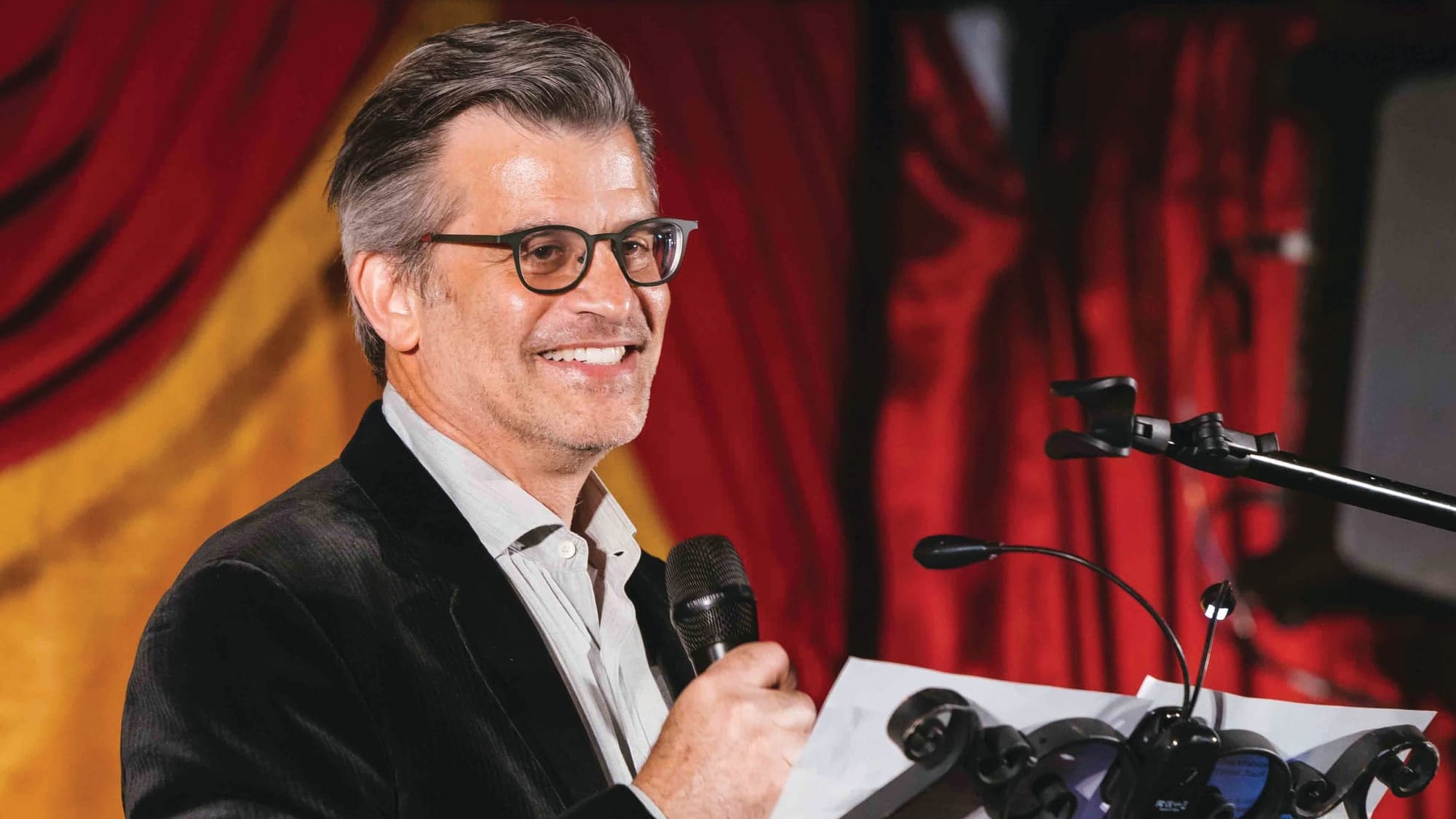
It is my honor to welcome you to today’s performance of Carmen, one of the most beloved operas of all time. This production brings the curtain down on a spectacular season, one marked by extraordinary achievements both on stage and throughout our community. These successes are made possible because of you, our dedicated audience members and generous supporters.
From the unprecedented success of The Pirates of Penzance, our first Gilbert and Sullivan production, to the rarely experienced elegance of Strauss’s Daphne to the tension-driven drama of Fellow Travelers and now to presenting one of the most beloved operas ever written, the entire season has been exceptional—one mainstage production after another.
And along the way, we’ve deepened our engagement with communities, organizations, and institutions, strengthening partnerships and creating opportunities that uplift our neighbors. Our school matinee of The Pirates of Penzance welcomed 50 school groups and more than 2,000 students, along with their teachers and families. What’s more, our Veterans Choir—an initiative launched in 2019 in partnership with Path with Art—continues to provide meaningful opportunities for music-making and camaraderie among local veterans. On Memorial Day, May 25, the choir will perform at the annual Folklife Festival at Seattle Center.
Meanwhile, our School Opera Tour is traveling across Washington state and into Portland, OR, bringing a special student-friendly production of The Pirates of Penzance directly into schools. In this unique program, students join the performance themselves, engaging with the arts while supporting core curriculum learning.
We are also proud of our ticket access programs, which help ensure opera is available to all. Through Senior and Student Rush Tickets, Pay-What-You-Wish performances, group and family discounts, and other initiatives, we continue to break down barriers to access. This season alone, more than 7,000 tickets have been sold through these access initiatives. In addition, we’ve distributed free tickets to mission-driven organizations across the region that support low income, underrepresented, and marginalized members of our community. Mitchell House, Jewish Family Service, Seattle Trans and Nonbinary Choral Ensemble, and The Journey Project are just some of the organizations we’ve partnered with.
Enriching people’s lives is central to Seattle Opera’s mission. As we conclude the 2025/26 season, I invite you to join us in sustaining this vital work through a gift to the Seattle Opera Annual Fund. Thank you.
Carmen has always held a special place at Seattle Opera and in the Pacific Northwest. In 1964, Carmen was our second production, and throughout the years we’ve staged it numerous times, each to enthusiastic crowds. Whether this is your first time seeing Carmen or you’ve experienced it several times before, you’ll be amazed by this production’s colorful set design, dramatic staging, and our multi-Grammy winning mezzo-sopranos—Sasha Cooke and J’Nai Bridges. And I’m sure you’ll leave McCaw Hall humming the “Habanera,” the “Toreador Song,” or the “Flower Song” on your way home.
Sincerely,
Jonathan Rosoff
President, Seattle Opera Board of Directors
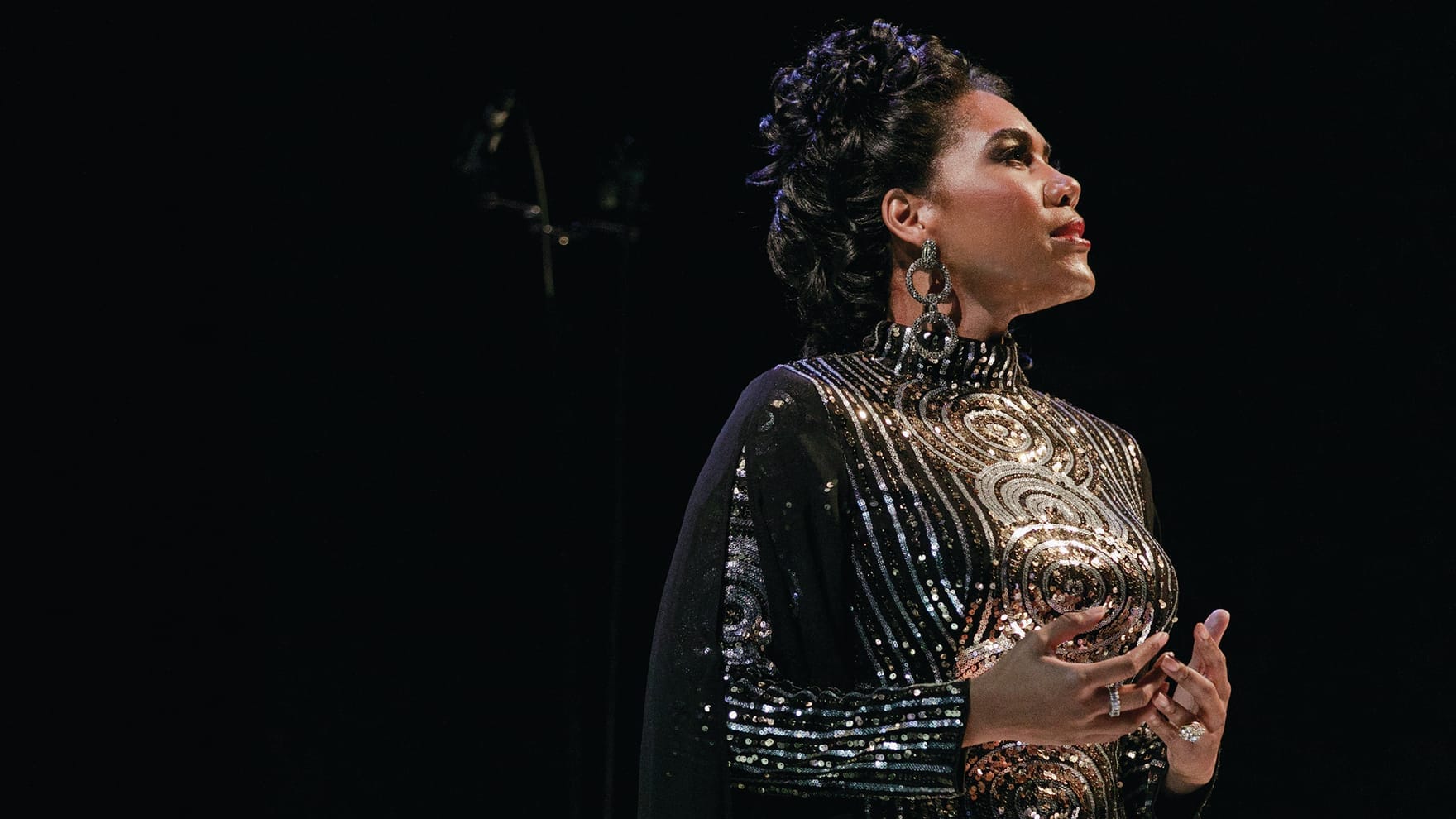
Our Hometown Star: J’Nai Bridges
By Glenn Hare
Once hailed by Black Entertainment Television as “the Beyoncé of opera,” J’Nai Bridges is a three-time Grammy winner who has performed at the top opera houses across the United States and Europe. Best of all, she’s our hometown star.
Raised just outside of Tacoma in Lakewood, WA, J’Nai describes her childhood as “well-rounded.” Alongside her siblings and parents, she played sports, took music lessons, went on family vacations, and attended church, where she sang in the children’s choir. Those early experiences planted the seeds for what would become an exceptional international career.
Today, J’Nai is a highly sought-after mezzo-soprano. She was part of the 2026 Grammy Award-winning live recording of Intelligence, composed by Jake Heggie.
J’Nai often credits her success to the community that raised her. “There are so many people from Seattle, Tacoma, and Lakewood who have poured so much love into me,” she said.
Among the local organizations that played pivotal roles in J’Nai’s development are Tacoma Youth Chorus, Charles Wright Academy, Tacoma Opera, and the College Success Foundation, which is supported by Fulcrum Capital, an artist sponsor of this production.The foundation coaches and supports under-resourced students, preparing them to graduate from college as transformational leaders.
“Fulcrum Capital is a true community partner. Through their philanthropy, the firm supports education, the arts, and social service organizations in Seattle and beyond.”
–James Robinson, General & Artistic Director
To honor the community that embraced her through the years, J’Nai frequently returns to the Pacific Northwest to perform at Allen AME Church and at various community events. She also appears at Seattle Opera. Most recently, she performed the role of Dido in our concert performance of Berlioz’s Les Troyens. Classical Voice said, “She has the majesty and dignity befitting a queen, and a lovely softness of grain in her timbre which melted into the throbbing strains of the love duet. She found a new passion and intensity, both as a singer and as an actress.”
Now Seattle Opera is proud to showcase J’Nai, our hometown star, in Carmen.
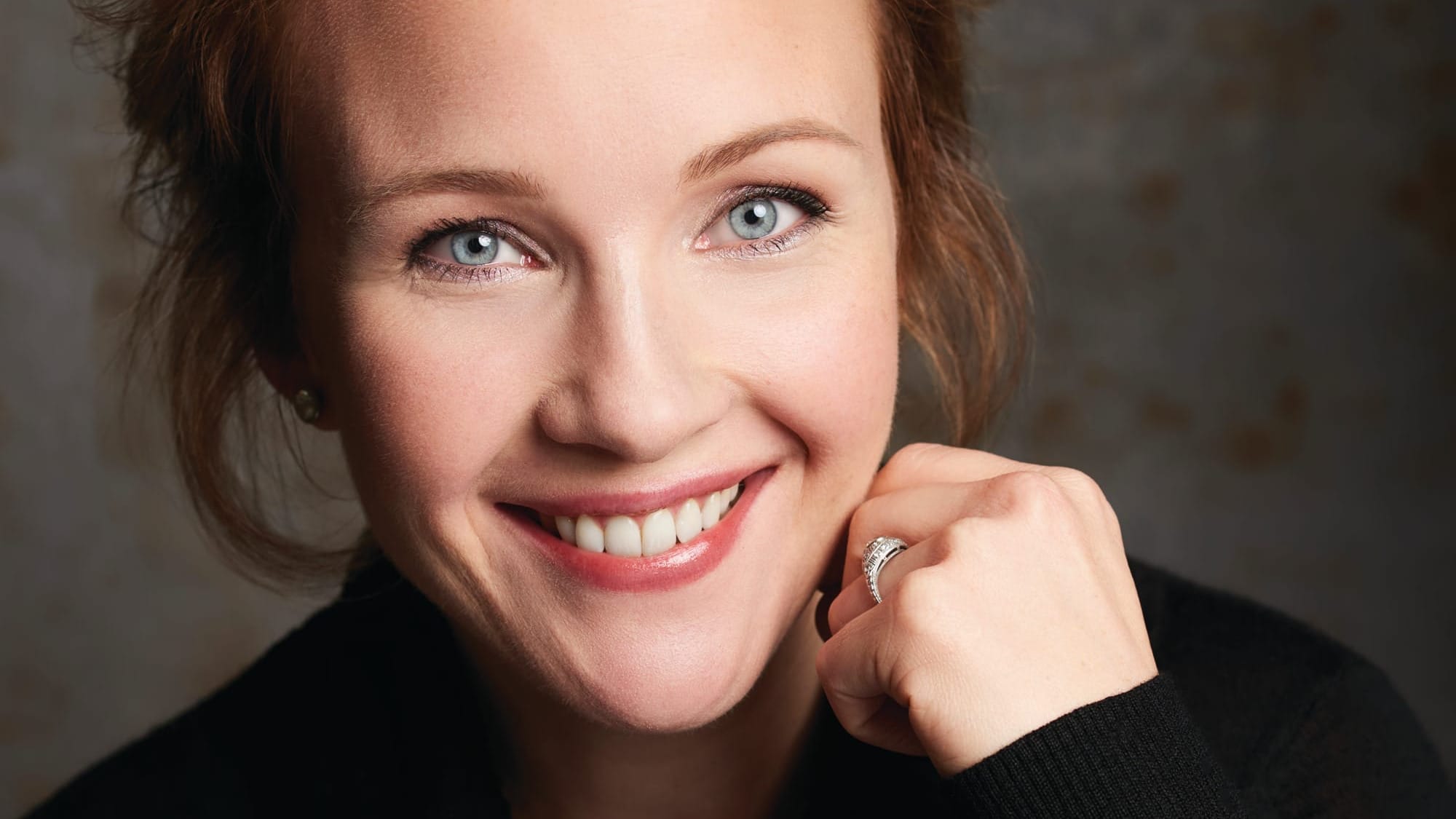
Welcome Back Sasha Cooke
By Glenn Hare
In our recent conversation with mezzo-soprano Sasha Cooke, we discuss what she’s been up to since her last appearance in Seattle back in 2016, recounting several memorable performances. We talk about what it means to debut Carmen, particularly at this point in her career.
Seattle Opera: How do you feel about returning to Seattle Opera after being away for nearly a decade?
Sasha Cooke: I’m so excited; returning really means a lot. Seattle Opera provided a chance to debut a significant role once before [Hansel, Hansel and Gretel,’16] and now, I’m coming back to sing an equally important part. When an opera company puts their faith in you, particularly when you’re doing a role for the first time, the opportunity means so much more.
Seattle Opera: Since you were last here, you’ve performed at major opera houses and concert halls across the globe. What are some of the most rewarding milestones from your career?
Sasha: I love that question. I’m a firm believer that my current project is the most important thing I’m doing at that time. And I’m always grateful for each opportunity.
My favorite premieres in the last ten years took place at Dallas Opera—Everest, and The Diving Bell and the Butterfly. Both are by [composer] Joby Talbot and [librettist] Gene Scheer. Another moment that comes to mind is a Carnegie Hall performance with Michael Tilson Thomas conducting the San Francisco Symphony. I sang Mahler’s song cycle Das Lied von der Erde (Songs of the Earth).
A more recent moment happened just last year, the world premiere of American Lament with composer Jasmine Barnes. Jasmine and I were talking about poetry and text, and we kept coming back to a piece by Langston Hughes that begins, “Let America be America again.”
Seattle Opera: Well, that brings us to today. Why Carmen and why Carmen now?
Sasha: It’s an interesting time to portray the kind of femininity in Carmen. When you study the score—really look at Carmen—you discover that she is a force who is destroyed by male domination, but she has peace with her fate.
Seattle Opera: How have you been preparing for this debut?
Sasha: Well, with any debut, you want to “get it in the oven as early as you can,” so to speak. That way the role can cook slowly. I started working on it a year in advance. Now, I can just enjoy the character and not worry so much about the vocal piece.
One thing that intimidates me about Carmen is that she doesn’t leave the stage in the first half of the show. She sings aria, aria, aria, aria. I’ve really worked on my stamina.
Currently, I’m getting into the nitty-gritty of acting because imposter syndrome can be a downfall. Luckily, my sister teaches drama and wrote an acting technique book. She’s my acting partner as I prepare for a show. That’s a big part of my process. I took a few castanet lessons. And I studied flamenco-style movement, comportment, and dance.
Carmen is one of the greatest roles ever written, musically and dramatically. So, as a woman in her forties, I’m happy for the opportunity. It’s one of the best moments of my life.
Cultural Contrast in Bizet’s Carmen at the Opéra-Comique
By Judy Tsou
In 1872, when Georges Bizet chose Prosper Mérimée’s infamous novella Carmen as the subject of his upcoming opera for Paris’s Opéra-Comique, the reaction was swift from Adolphe de Leuven, one of the producers: “Carmen! The Carmen of Mérimée? Wasn’t she murdered by her lover? And the underworld of thieves, gypsies, cigarette girls—at the Opéra-Comique, the theater of families or wedding parties? You would put the public to flight. No, no, impossible!” We know that Bizet got his way and de Leuven eventually resigned. The subject was risqué, especially for the Opéra-Comique, which by the 1870s had become increasingly conservative. The audience expected G-rated “rom-com” operas.
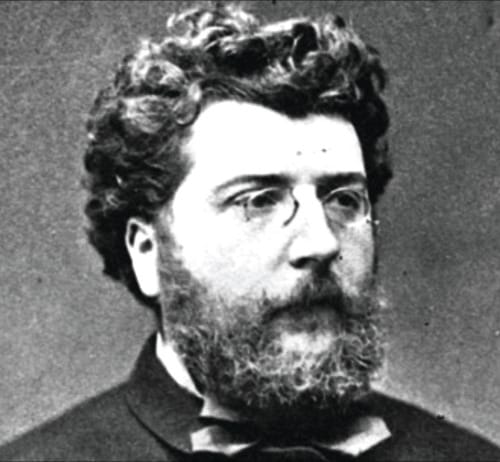
The librettist, Ludovic Halévy, attempted to appease the producers and offered the following remedies: a tamer Carmen (did not happen), a good-girl foil to Carmen (Micaëla), a heroic male character (Escamillo, the bullfighter) in place of the original narrator, gypsies as comedians (not really), and Carmen’s death “glossed over at the very end of the opera [not!], in a holiday atmosphere [yes], with a parade [before the murder], a ballet [no], a joyful fanfare [sort of].”
Bizet and Halévy then set to work by painting his characters in two columns: the exotic versus the appeasing normative characters. In the exotic column are Carmen and her friends—Frasquita, Mercédès, and the smugglers. The normative column includes the dragoons, Micaëla, and Escamillo. In addition, Bizet endowed the normative characters with French sensibilities, betting on the idea of French nationalism to appeal to the conservative audience.
The normative yardstick was quickly set at the beginning of the opera. The chorus of Spanish soldiers reminds us in the refrain, “What funny people these are!” (Drôles de gens que ces gens là!), immediately bringing the audience into the point of view of the soldiers, the regular people. Bizet also used the style of everyday French music in the soldiers’ chorus; the audience at the time would recognize it. This beginning draws a “them” and “us” line in the opera.
Next is the introduction of Micaëla, the normative good girl, before Carmen’s entrance. Micaëla’s soft orchestral introduction is a dainty descending line, with lingering notes exuding the hesitation of a wide-eyed country girl coming into the big city (Seville). This girl next door is sent by corporal Don José’s mother. Micaëla dutifully gives José the letter, the money, and a kiss from his mother. She reveals that she went to church with his mother, which indicates her piety. The music supports this with the insertion of an “Amen cadence,” the harmonies signaling the end of a hymn. This is a typical female character in the Opéra-Comique: pure, humble, and pious.
Carmen’s entrance is the diametrical opposite of Micaëla’s. Carmen’s entrance has confidence, and the men’s line, “Mais nous ne voyons pas la Carmencita?” (But why do we not see Carmencita?), creates anticipation. Her entrance is marked by a quick ascending line followed by the fate motif; the music is fast and loud. This is followed by her slinky Habanera, “L’amour est un oiseau rebelle” (Love is a rebellious bird); this aria defines Carmen’s exoticism and wild licentiousness. The rhythm is in a tug-and-pull, proffering and withholding love toward her admirers. The melody is a descent with serpentine twists and turns and teasing notes. The text expounds her autobiographical philosophy of love and life unfettered by boundaries. The original tune (“El Arreglito”) is by Basque composer Sebastian Yradier (1809–1865) and used the popular habanera rhythm from Havana. Thus, Bizet’s sound of the gypsies is not ethnically authentic; it is Spanish Basque with a Cuban touch. This song was likely to have been performed in cabarets and other popular music venues, a “foreign” genre to operas. In addition to the Basque song, Bizet included cabaret and other popular music, modal sounds of the Middle East, and Spanish flamenco to paint the exotic Carmen.
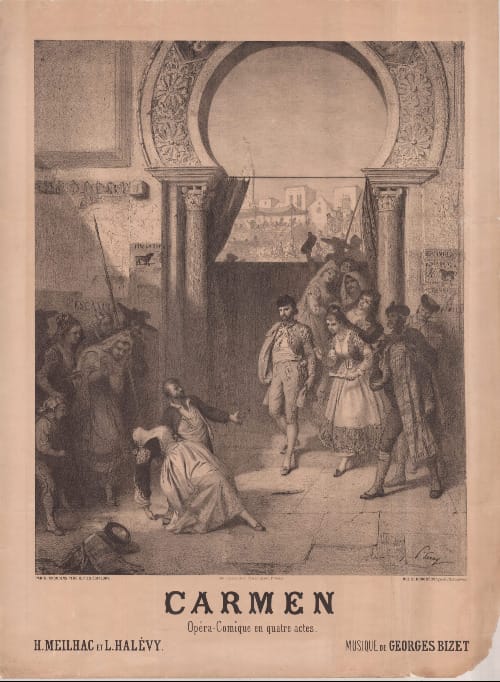
The non-specific ethnicity could be a mix: Near the end of Act 1, Carmen sings a Seguidilla that evokes the Middle East more than Spain. In Act 2, the “Gypsy Song” resembles Romani music but has a Spanish flamenco lick in the cabaret music. The text in the “Gypsy Song” is intended to show the effect of the gypsies’ magic: arousing sensual passion and inebriation, which is reflected in the orchestral frenzy at the end of the piece. Even though this music sounds like opera to us, Opéra-Comique audiences would have heard it as foreign and low-class.
Another “exotic” element is Bizet’s ominous five-note fate motif that is introduced in the last section of the Prelude to the opera. This motif is connected to the gypsies’ fate, and specifically, Carmen. It evokes the Middle East and is accompanied by foreboding violin tremolos. It marks doom and the fateful relationship between Carmen and Don José. This motif appears before Carmen’s entrance (Act 1); before Don José’s love song, “The Flower Song” (Act 2); when the gypsies were telling fortunes (Act 3)—a stereotypical representation of the gypsies; and at the final scene where Don José kills Carmen (Act 4). In fact, the motif appears throughout the opera in different guises to signify bad omens.
In addition to Micaëla, Escamillo is the other normative character. He is gentlemanly, cool, and calm, like a hero of the Opéra-Comique. Escamillo’s stability is most obvious in his music. His signature “Toreador Song” is straightforward. The hymn-like duet in Act 4 between Escamillo and Carmen shows a tranquility that is lacking in the tempestuous relationship between Carmen and Don José. Escamillo and Carmen sing each other’s music and eventually sing in perfect harmony, showing that their thoughts are one. This kind of relationship met the Bourgeoisie’s expectations, unlike that of Don José and Carmen.
Bizet and his librettists set out to write an opera for the French middle class by creating sympathetic characters that conformed to the French nationalist ideal. On the other hand, Bizet employed every exotic tool, no matter the origin, to mark the “other” characters. Ultimately, the Parisians panned the premiere (March 1875), but it was not unsuccessful; Carmen ran for 47 more performances at the Opéra-Comique. The re-premiere in Vienna in October 1875, with minor revisions by Ernest Guiraud (the version on which our performance is based), was a success and won its place in the opera canon. Unfortunately, Bizet did not live to see the unqualified success of Carmen.
An earlier version of this article appeared in Seattle Opera’s program for Carmen in 2019.
The Cinematic Lives of Carmen
By Julie Hubbert
“...if men could just keep their pants zipped, would there be a Carmen?”
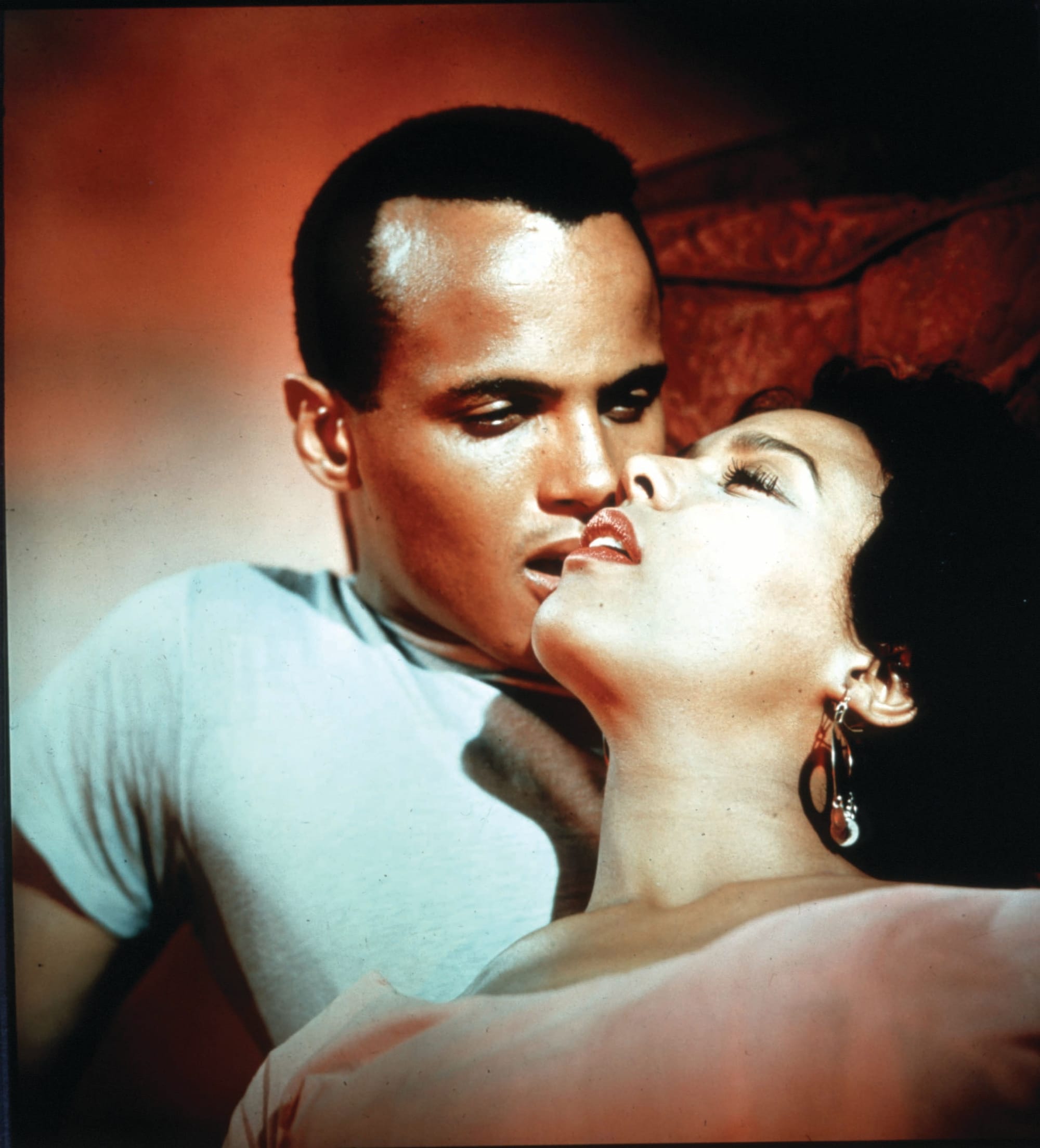
ABOVE: Carmen Jones, the 1954 Otto Priminger film adaptation of Carmen, is set during World War II in North Carolina with Dorothy Dandridge as Carmen and Harry Belafonte as Don José.
What do Nietzsche and Bart Simpson have in common? It’s not a trick question. In fact, the answer reveals a hidden collaboration that has shaped the reception of this opera for over a century. The answer is Carmen. Nietzsche loved Carmen, although this admiration was certainly colored by misogyny and his growing contempt for Wagner. Bart Simpson’s connection to Carmen, however, is equally compelling and perhaps even more complex. In the second episode of the animated series, after Bart cheats on an IQ test, his mother Marge rewards him with a night at the opera. While there, Bart and his father Homer delightfully skewer opera conventions (a soprano with a healthy appetite does end the opera), but they also display an intimate knowledge of the music, especially when Bart sings the time-honored contrafactum of the Toreador’s Song: “Toreador, please don’t spit on the floor. Please use a cuspidor, that’s what it’s for.”

Early 1900s: The Silent Films
The International Movie Database (IMDb) counts 47 film versions of Carmen, but scholars, who include French, Spanish, and African language productions, put the number well over 80. Bart’s sing-a-long in The Simpsons, in fact, is a delightful reprise of one of the earliest Carmen films, Charlie Chaplin’s Burlesque on Carmen (1916). If one prizes parody, and I do, Chaplin’s film is terrific for the way it recasts Carmen as a screen vamp, but also for the way it satirizes the witlessness of men who fall for such seductresses. Chaplin’s Don José (hilariously renamed Darn Hosiery) reminds us of how essential the so-called virtuous man is to the construction of the unvirtuous woman and raises the question: if men could just keep their pants zipped, would there be a Carmen?
Chaplin’s parody, however, is also a thoughtful homage, a shot-for-shot remake at times, of Cecil B. DeMille’s Carmen (1915) of the year before. Both were part of the first “battle of the Carmens,” with DeMille’s production claiming the high ground by casting The Metropolitan Opera star Geraldine Farrar in the title role. A month later director Raoul Walsh sought a steamier performance and gave the role to legendary stage actress Theda Bera. DeMille was not the first to try to elevate film by connecting it to opera or to enriching the silent screen with the implied sound of an opera singer. Surviving scores for the live accompaniment for both films relied on Bizet’s music, but Ernst Lubitsch had the final word. His Carmen (1918), arguably the first fully cinematic version, featured neither singer nor thespian, but one of the greatest movie stars of the silent era, Pola Negri.
The 1940s: Post-War Tensions
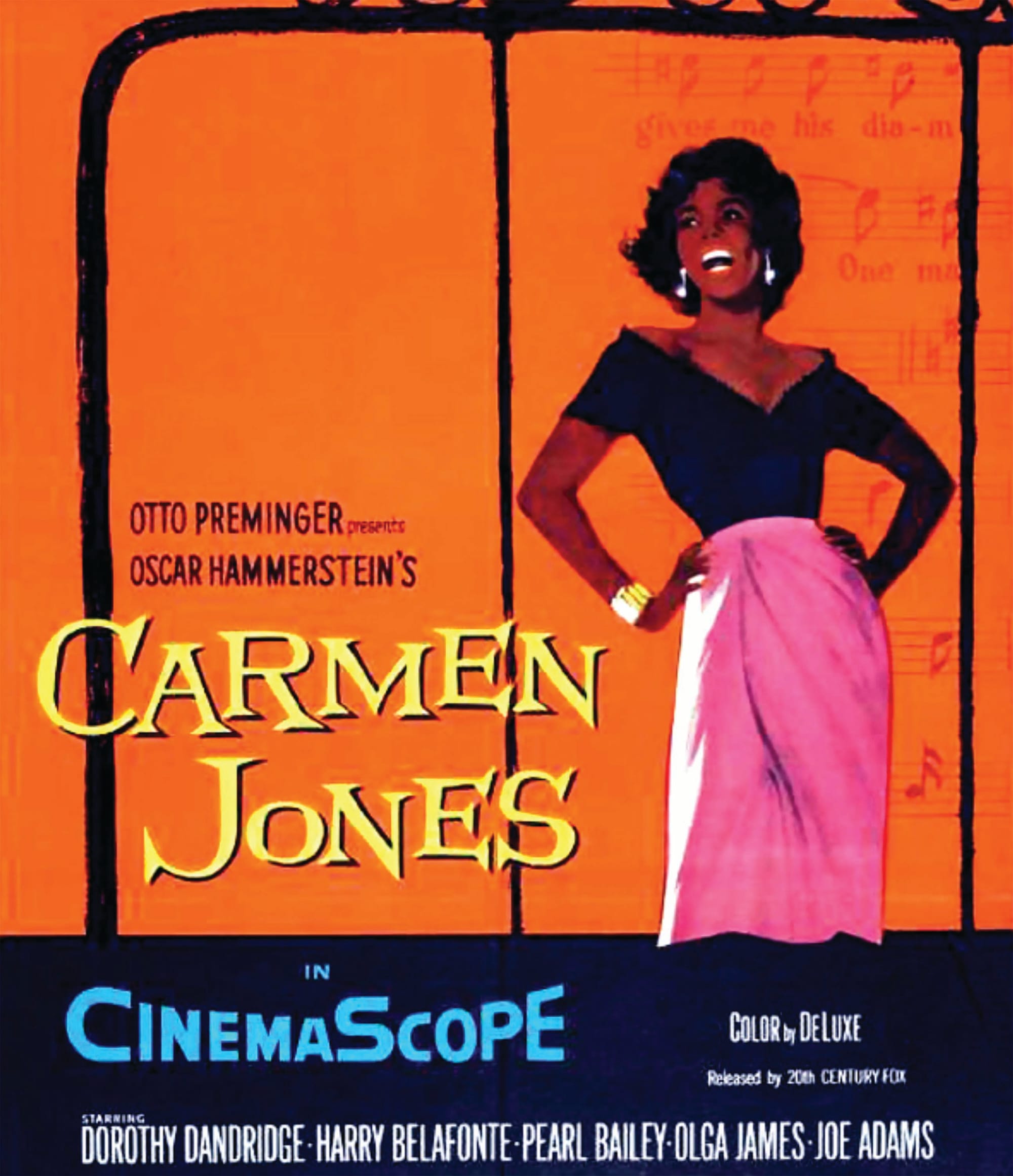
The silent Carmens were only the beginning of a very long conversation that has existed between Mérimée’s novella, Bizet’s opera, and film. Film Carmens were made sporadically throughout the 1930s, but a cluster of post-war Carmens made the femme fatale popular again. Or rather, post-war politics and issues of racial equality in the US made Carmen relevant again. Here Carmen’s sexuality is explained not as an excess of personality but as a feature of ethnicity. In both Mérimée’s and Bizet’s works, Carmen is an exotic outsider, a Roma whose coupling with the Basque Don José is very near an act of miscegenation. This is not exactly Oscar Hammerstein’s reading. In fact, one of the criticisms of his remake of Bizet’s opera into the Broadway musical Carmen Jones in 1943 for an all-Black cast is that it erased the ethnic and racial tension in Mérimée’s original. Some of that tension is preserved in the linguistic colloquialisms, the “dis” and “dat” that Hammerstein carefully inserted only into the songs and nowhere else in the dialogue. These fissures were uncomfortable in 1943 and, even more so, in 1954, the year of Brown v. Board of Education and Otto Preminger’s film version of the musical.
Against the backdrop of the civil rights movement, as film historian Jeff Smith points out, the all-Black cast oddly maintained the fantasy of “separate but equal” and was a strange throwback to the segregated race films of the 1920s and 30s. But it starred Dorothy Dandridge and Harry Belafonte and broke racial barriers when Dandridge became the first African American to be nominated for an Academy Award for Best Actress for her Carmen. Racial politics also colored the reception of the film not only because Preminger was having an affair with Dandridge but because he insisted on re-voicing both leads. Dandridge and Belafonte were established popular singers, but because of the range and vocal demands of Bizet’s music, Preminger dubbed them with opera singers, Belafonte with the young, African American tenor LeVern Hutcherson, but Dandridge controversially with a young white opera student named Marilyn Horne.
The film is often credited with helping to desegregate not only Hollywood but the opera house as well. As opera scholar Susan McClary noted, Dandridge inspired the rise of the Black Carmen, which propelled Leontyne Price to fame in the 1964 with a recording of Carmen and Grace Bumbry to acclaim in Karajan’s filmed Carmen in 1967.
The 1980s: The Feminist Carmen
Bizet’s heirs never liked Hammerstein’s musical version of the opera and blocked screenings of Preminger’s Carmen Jones in France until 1981, when Bizet’s opera finally entered the public domain. That event may have triggered another rash of Carmen films, although the pressing political issue of feminism, which in the US peaked with the failure to pass the Equal Rights Amendment in 1982, might also have also prompted it. In 1983 and 1984 no less than four film Carmens appeared, including Carlos Saura’s flamenco Carmen, Francesco Rosi’s Carmen, Peter Brook’s La Tragédie de Carmen, and Jean-Luc Goddard’s Prenom: Carmen. Within this group, Rosi’s Carmen stands out for offering a literal reading of Bizet’s opera and one of the most influential recontextualizations of Carmen. Rosi’s is not the only film to reclaim Carmen as Spanish rather than French, but it is one of the few to authenticate Carmen within a community. Some of this, McClary rightfully points out, is accomplished by casting American Julia Migenes Johnson in the title role. Her light soprano has very little of the deep throated sultriness that most mezzos bring to the role. But Rosi also recasts Carmen not as a monstrous seductress, but as a daughter, a part of a community where athletic dancing and sharp verbal skills among women are prized, even commonplace. This Carmen dances with one of the neighborhood’s grandfathers, whose elegantly nimble and economical flamenco skills are a better and more enjoyable match for her than the stiff yet passionately-voiced Don José (Placido Domingo). Within this film’s community Carmen is not the monstrous, exotic outsider; Don José is.
The 2000s: MTV and More
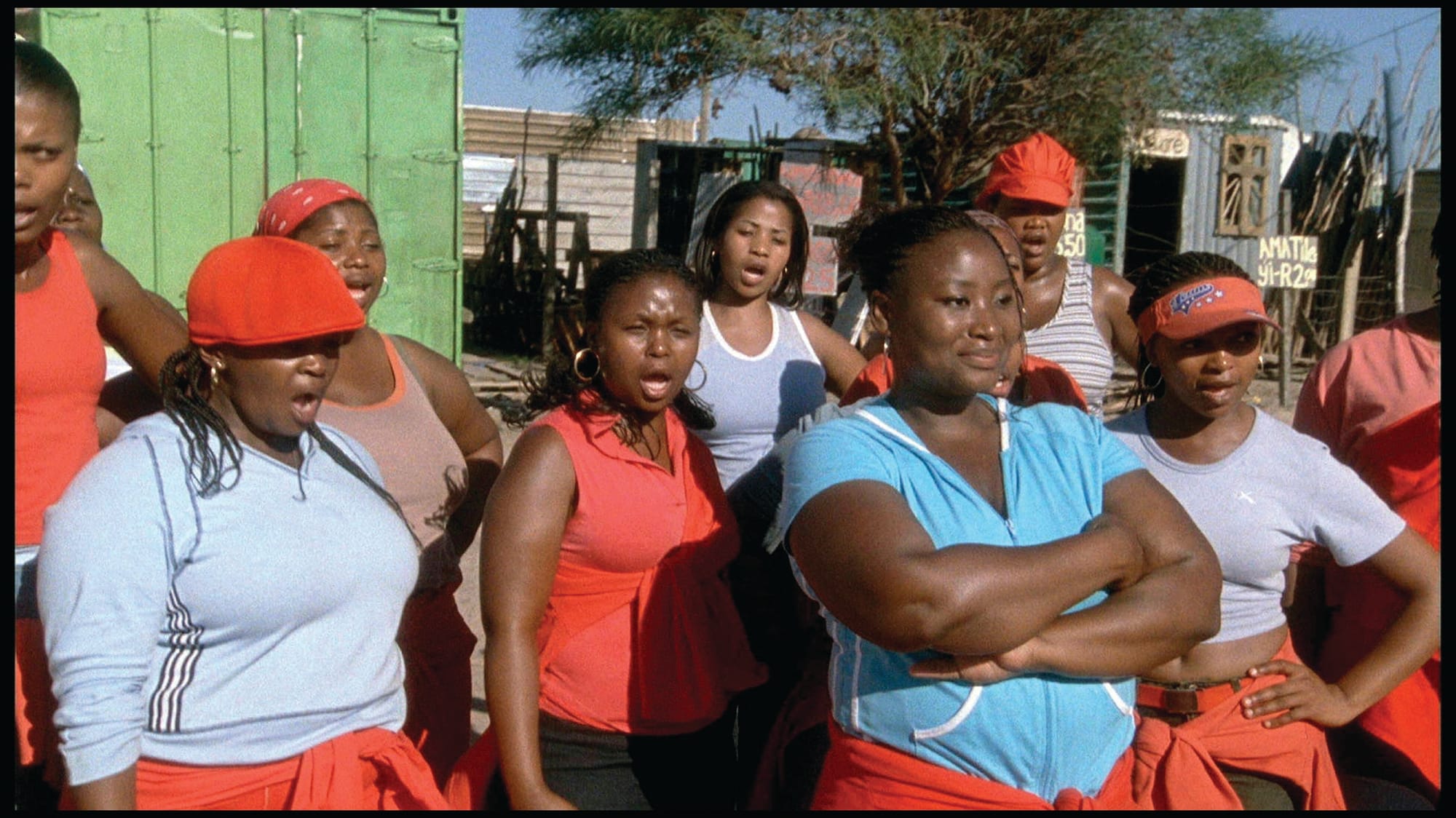
In today’s mashup culture, Kip Collin’s MTV Carmen: A Hip Hopera starring Beyoncé Knowles and Mekhi Phifer from 2001 is noteworthy for its attempt to update not just Carmen but also Carmen Jones. Beyoncé’s ability to command our attention visually as well as sonically, and to suggest the feminism that would eventually dominate her stunning visual album Lemonade (2016), make for compelling viewing. The two prominent post-colonial films of Carmen are staged in Africa. Mark Dornford-May’s 2005 production U-Carmen eKahayelitsha, set in the slums of Cape Town, South Africa, with the libretto rewritten in the Bantu language of Xhosa, and Joseph Gaye Ramaka’s 2001 production Karmen Gei set in Senegal, are also striking. These all-Black productions root Carmen in an authentic community where centuries of colonial oppression still shape concepts of political freedom and identity. But while Dornford-May’s radically preserves Bizet’s music, with Pauline Malefance purportedly singing her arias live on-set, in Karmen Gei the mesmerizing Djeinaba Diop Gai embodies Carmen more through dance than song, her seduction backed by the powerful sound of 40 Senegalese sabar dummers.
These 21st century African Carmens point back to Nietzsche’s 19th century observation that Carmen’s music is cheerful, “not in a French or German… but in an African way.” Perhaps Carmen is resilient to dislocations of geography, race, and politics because at heart it is a misunderstanding of all of these things. The character is always unreal, unfamiliar, or exotic to someone. What neither Nietzsche, nor anyone else could have predicted, however, is how essential the cinema has become in constructing Carmen, for seeing and hearing the exotic, and for both understanding and misunderstanding ourselves. So how will Carmen be revealed next? How will Paul Curran’s Carmen contribute to this inter-medial conversation? Let’s see!
An earlier version of this article appeared in Seattle Opera’s program for Carmen in 2019.
Upcoming Events
SINGING THE ARCHIPELAGO: ART SONG & OPERA FROM THE PHILIPPINES
THE OPERA CENTER
SATURDAY, JUNE 6, AT 7:30 PM
FREE WITH RSVP
Seattle-based soprano Tess Altiveros (The Pirates of Penzance, ’26; The Magic Flute, ’25; A Thousand Splendid Suns, ’23) takes us on a voyage across the ocean with a program of classical song from the island nation of the Philippines. During an eye-opening trip in 2025, Tess not only reconnected with distant family, but also learned about the rich legacy of classical art songs and arias by Filipino composers. Joined by baritone José Rubio and pianist Elisabeth Ellis, Tess shares the contributions of prolific composers like Francisco Santiago, Sister Rosalina Abejo, and Lucrecia Roces Kasilag, as well as works by award-winning contemporary composers like Nilo Alcala and Josefino Chino Toledo.
OPERA CAMP
THE OPERA CENTER
$530 PROGRAM FEE. FINANCIAL ASSISTANCE AVAILABLE.
This summer, we’re offering five unique weeklong programs for artistic youth ages 7–18. Our campers will have the opportunity to create original opera stories, develop their singing and performance skills, and explore the creative world of technical theatre all while learning more about the art form of opera.
Artful Explorers: Ages 7–9
July 13–17
Maestros: Ages 10–13
July 13–17
Teen Performance Workshop: Ages 14–18
July 20–24
Theater Tech Workshop: Ages 14–18
July 20–24
SEATTLE OPERA OPEN HOUSE
THE OPERA CENTER
SATURDAY, SEPT. 26, AT 1–4 PM
FREE WITH RSVP
Mark your calendar for Seattle Opera’s annual Open House. This free community event takes you behind the scenes at Seattle Opera for a preview of our 2026/27 season. Among the day’s events are self-guided tours of the Opera Center, including the costume shop and Classical KING, along with special performances and family-friendly activities.
Partner Events
FRIDA…A SELF-PORTRAIT
UNION ARTS CENTER (700 UNION ST, SEATTLE, WA 98101)
JUNE 6–28
The singular Frida Kahlo comes to life through the spirit of playwright and performer Vanessa Severo in this stunning one-woman show. Severo explores the parallels between their two lives as she embodies the many facets of this complex artist. With music and movement, Frida’s evocative art, multilayered love life, and distinctive philosophy are sketched out in a visual dynamo of a piece that encourages us all to realize we are not alone.
FRIDA FOR ALL COMMUNITY DAY
UNION ARTS CENTER (700 UNION ST, SEATTLE, WA 98101)
SUNDAY, JUNE 14, AT 3:30–5:30 PM
Frida for All! A community celebration of Mexican culture with art, dance, music, and food. Join us for an afternoon at Frida’s House! Bring your dancing shoes and your creativity to this fun, family event! Participatory dance, live music, local food, and collaborative art-making with local artists and cultural organizations, plus a community discussion on Frida’s legacy and resonance here in Seattle.
Print Edition