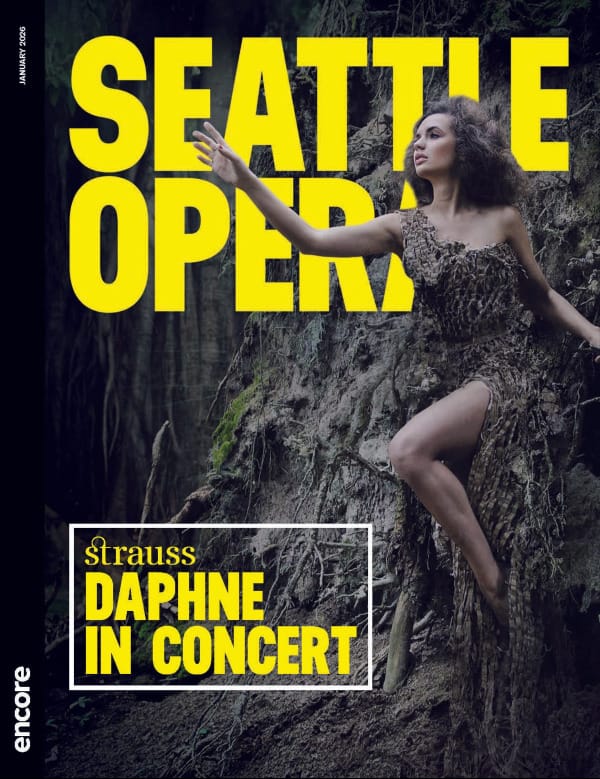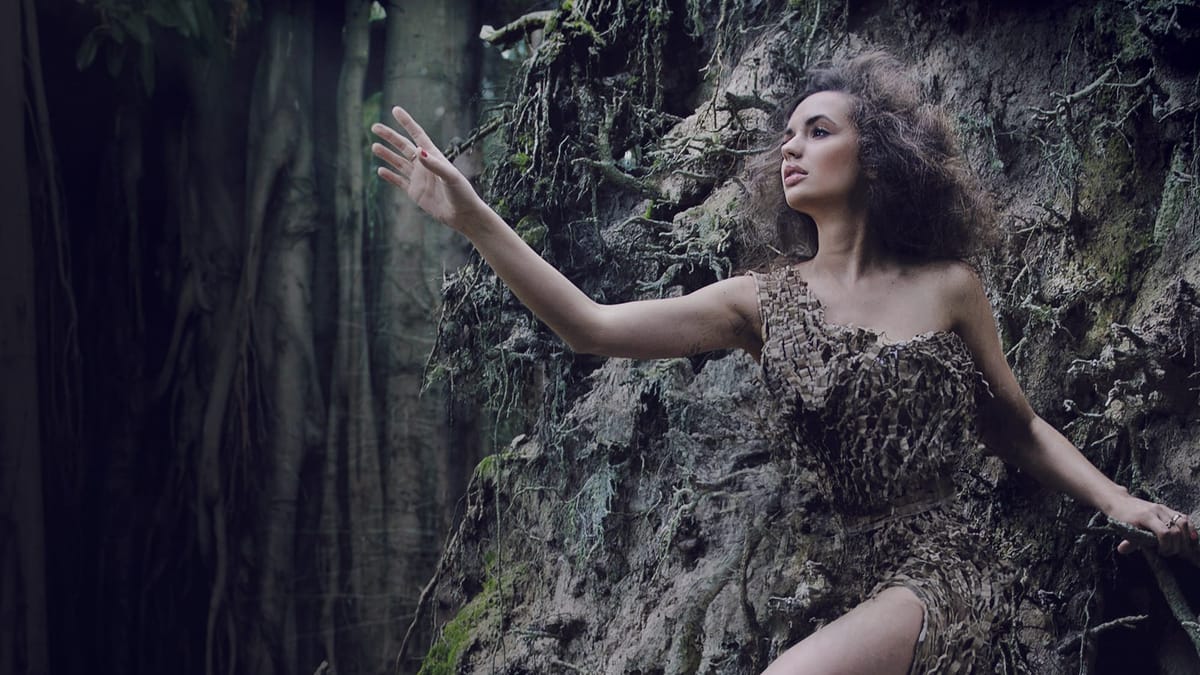
January 16 & 18, 2026 | McCaw Hall
In This Program
- Show Information
- Who’s Who
- Letters
- Features
- Additional Information
Production Sponsors
2025/26 Season Sponsor
4Culture
Production Sponsors
Steve Phelps
Seattle Office of Arts & Culture
We are deeply grateful to you, Seattle Opera’s 5,600+ Annual Fund donors.
Your passion for opera and contributions at every dollar amount inspire great performances at McCaw Hall, and support engaging activities at
the Opera Center and throughout Washington state all season long!
Thank you!
Music by Richard Strauss
Libretto by Joseph Gregor
Premiere: Dresden, Semperoper, 1938
Seattle Opera Premiere
Marion Oliver McCaw Hall
January 16 & 18, 2026
In German with English captions
Act I: 1 hour, 45 minutes (no intermission)
CONDUCTOR
David Charles Abell †
CONDUCTOR
David Afkham †
STAGE DIRECTOR
David Gately
LIGHTING DESIGNER
Ranleigh Starling †
HAIR AND MAKEUP MANAGER & DESIGNER
Ashlee Naegle
CHORUS MASTER
Michaella Calzaretta
ENGLISH CAPTIONS
Jonathan Dean
Cast
(in order of appearance)
FIRST SHEPHERD
Ilya Silchukou
SECOND SHEPHERD
Martin Bakari
THIRD SHEPHERD
Micah Parker
FOURTH SHEPHERD
Michael J. Hawk
DAPHNE
Heidi Stober †
LEUKIPPPOS
Miles Mykkanen †
GAEA
Melody Wilson
FIRST MAID
Meryl Dominguez †
SECOND MAID
Sarah Coit
PENEIOS
Matthew Rose †
APOLLO
David Butt Philip †
ASSOCIATE CONDUCTOR
Sunny Xia †
ASSISTANT LIGHTING DIRECTOR
Tláloc Lopez-Watermann
MUSIC PREPARATION
David McDade, Jay Rozendaal
ORCHESTRA LIBRARIAN
Jay Rozendaal
TECHNICAL DIRECTOR
Rob Reynolds
PRODUCTION STAGE MANAGER
Jonathan Moore
ASSISSANT STAGE MANAGER
Cristine Reynolds, Quinn Chase
By arrangement with B&H Music Publishing Inc. d/b/a Boosey & Hawkes, publisher and copyright owner.
† Seattle Opera mainstage debut
Opera presentation and production © Seattle Opera 2026.
Copying of any performance by camera , audio, or video recording equipment, and by any other copying device, and any other use such as copying devices during the performance is prohibited.
The Story
Summer solstice! Buds are blooming, livestock are feeling frisky, and humans prepare to celebrate the great god Dionysus with revelry and mating at the Feast of the Blooming Vine.
Late one afternoon the innocent young Daphne begs the sunlight not to yield to darkness. She dreads the feast, and men, and delights instead in all things that worship the sun: springs, butterflies, flowers, and most of all the trees. Leukippos, her childhood playmate, is now a young shepherd pining with unrequited love for Daphne. Ordinarily Leukippos expresses his yearning and heartbreak by playing his flute, but today he asks for more. “I like you; but you’re like a sister to me,” Daphne tells him. Leukippos runs off in fury, breaking his flute and leaving Daphne bewildered.
Daphne’s mother, Gaea, worried by how Daphne has rejected her friend, tells the girl the gods intend for her heart to open up like a flower. The idea of being a flower appeals to Daphne, but when she realizes her mother means she should get dressed up for the feast, Daphne runs away in disgust. Two maids take Daphne’s dress and tease Leukippos with it: if he wants to relish intimacy with Daphne, as they do, he should put on her dress and come with them. Remembering how Daphne said he was like her sister, Leukippos goes with the maids.
Daphne’s father, Peneios the fisherman, welcomes the shepherds to his feast. But when Peneios invites the gods to come down to earth and join them, the shepherds are afraid: “The gods would come only to laugh at us.” And suddenly, mocking laughter echoes everywhere as strange lights flash and an unknown herdsman enters, carrying bow and arrows. The stranger tells of how the odor of their feast, drifting across the river to his pastures, drove his bulls and cattle wild with desire. Peneios welcomes him, and Gaea sends Daphne to tend to him.
The stranger is actually the god Apollo, in disguise. He shouldn’t be there, but cannot help himself. When Daphne approaches to wash him, he reminds her how earlier that afternoon she had called to him, begging the sunlight to stay. He woos her with the promise of eternal sunlight: as a god’s bride, she can ride in the chariot of the sun and be the one to strew beauty and light all over the world! Ecstatically, she embraces him—but the ardent passion of his kiss frightens her. He draws her attention to the feasting and revelry, which has now begun. “Don’t you know what this feast means?” he asks. “Would you deny nature?” Daphne is confused by the feast, by Leukippos, and most of all by this attractive but terrifying stranger.
Meanwhile, the shepherds are drinking, dancing, and celebrating Dionysus. Leukippos appears, clothed in the dress Daphne rejected. Allured by her mirror image, Daphne is drinking and dancing with Leukippos when suddenly the strange herdsman starts yelling that the whole feast is a sham—they’re blaspheming the god! The shepherds turn on him in anger; but he waves his hand and lightning startles their flocks, who overrun the fences and race down to the river. Everyone rushes after them except the stranger, Leukippos, and Daphne.
Leukippos reveals who he is and asserts that, now he’s tasted the blood of Dionysus, he is a man. He begs Daphne to reject the stranger and unite with him. Then he challenges the stranger to take off his disguise and reveal who he really is. Apollo, who knows mortals cannot survive when a god is revealed, warns the boy not to make such demands. But when Daphne insists, Apollo reveals his identity: he is the sun. Leukippos curses him, and Apollo’s golden arrow of light immediately strikes the boy dead.
Overcome by grief and guilt, Daphne mourns her dead playmate. She blames herself for what has happened, and vows to wait by Leukippos’s grave, “until they come for me, those proud masters who killed you and loved me.”
Apollo is devastated. He begs forgiveness from his brother Dionysus and implores his father Zeus to give Daphne back to him—not as a human, but as a flowering laurel tree. A wreath made from her twigs and branches will henceforth crown those disciples of Apollo who achieve mortal greatness.
And so by the power of Zeus Daphne is transformed. The sweet juice of the earth flows in her, birds dwell in her, and the chaste light of her brother Apollo plays in her leaves and branches. “Mankind,” she sings, “take me as a symbol of love everlasting.”
• Dionysus is the god of wine, partying, disguise, and wild abandon.
• Apollo is the god of balance, clarity, order, and reason. Here he drives the fiery chariot of the sun across the sky each day before sheltering for the night atop Mt. Olympus.
• Artemis, Apollo’s twin sister, is the chaste goddess of the hunt and the moon. Not keen on men!
Who’s Who
Artists
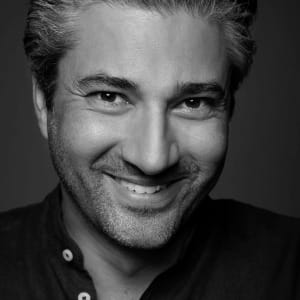
DAVID AFKHAM
Conductor (Feuchtwangen, Germany)
Seattle Opera Debut
Engagements: Chief Conductor and Artistic Director (Orquesta y Coro Nacionales de España); Fidelio (Semperoper Dresden); Arabella (Teatro Real de Madrid, Semperoper Dresden), Bomarzo (Teatro Real de Madrid), Hansel and Gretel (Oper Frankfurt); The Flying Dutchman (Staatsoper Stuttgart); La traviata (Glyndebourne)
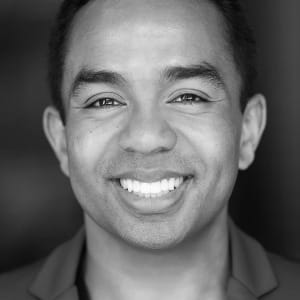
MARTIN BAKARI
Second Shepherd
Tenor (Yellow Springs, OH)
Seattle Opera Debut: Peter the Honeyman, Porgy and Bess (’18)
Previously at Seattle Opera: Greene Evans, Jubilee (’24); Mime, Das Rheingold (’23); Jalil/Wakil/Guard, A Thousand Splendid Suns (’23)
Engagements: Teacup/Math/Frog, L’enfant et les sortilèges (Barcelona Symphony Orchestra); Charlie Parker, Charlie Parker’s Yardbird (The Atlanta Opera, Arizona Opera, Pittsburgh Opera, Dayton Opera, New Orleans Opera, Indianapolis Opera); Soloist, Messiah (Oratorio Society of New York); Soloist, Carmina Burana (The Cecilia Chorus of New York); Frederic, The Pirates of Penzance (Virginia Opera, Kentucky Opera); Goro, Madama Butterfly (The Dallas Opera, Opera Philadelphia, Utah Opera, Opera Colorado)
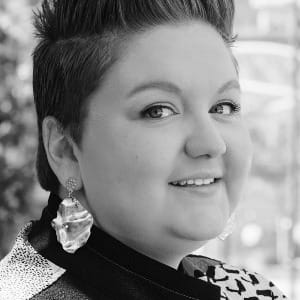
MICHAELLA CALZARETTA
Chorus Master (Muscatine, IA)
Seattle Opera Debut: The Elixir of Love (’22)
Michaella Calzaretta made her Seattle Opera debut in 2022 as the company’s new chorus master and head of music staff. Acclaimed for her high standards and superb preparation skills, Calzaretta oversees all musical activities at the company and prepares the chorus for main stage productions. In January 2024, the chorus embarked on their immensely successful first-ever tour to Mt. Vernon and Vashon Island. Recent praise includes “…continues to impress with her first-rate coaching of her singers” (Broadway World) and “The Seattle Opera Chorus…sang exuberantly and expertly” (The Seattle Times). Calzaretta is a doctoral candidate in choral conducting at Indiana University.
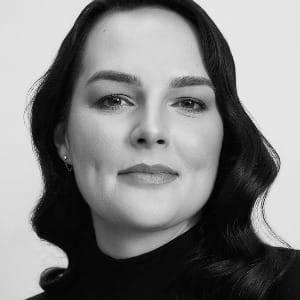
SARAH COIT
Second Maid
Mezzo-soprano (Spring Hill, FL)
Seattle Opera Debut: Mercédès, Carmen (’19)
Previously at Seattle Opera: Fariba/Wife #3, A Thousand Splendid Suns (’23)
Engagements: Hansel, Hansel and Gretel (Utah Opera); Maria Stuarda, Maria Stuarda (Opera Baltimore); Angelina, Cinderella (Wichita Grand Opera); Cendrillon, Cendrillon (Vashon Opera); Rinaldo, Rinaldo (Pacific Northwest Opera); Miss Jessel, The Turn of the Screw (Opera Tampa)
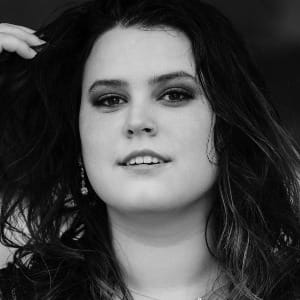
MERYL DOMINGUEZ
First Maid
Soprano (Brooklyn, NY)
Seattle Opera Debut
Engagements: Sister Genovieffa/Nella, Il Trittico (Houston Grand Opera); Soloist, Music for New Bodies (AMOC* at Lincoln Center); Salud, La Vida Breve (The Chamber Orchestra of the Triangle); Donna Anna, Don Giovanni and Fiordiligi, Così fan tutte (Livermore Valley Opera); Violetta, La traviata (Vero Beach Opera)
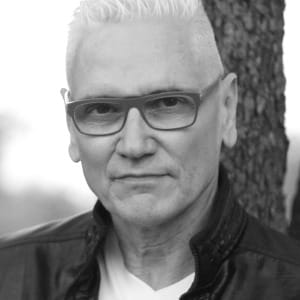
DAVID GATELY
Stage Director (Seattle, WA)
Seattle Opera Debut: The Barber of Seville (’92)
Previously at Seattle Opera: 60th Anniversary Concert & Gala (’24); Samson and Delilah in Concert (’23); La bohème (’21)
Engagements: Angels in America (BBC Symphony Orchestra); Before Night Falls (Florida Grand Opera); The Tales of Hoffmann (Palm Beach Opera); Otello (Maryland Lyric Opera); Voir Dire (Fort Worth Opera Festival); A Midsummer Night’s Dream (Boston Conservatory at Berklee)
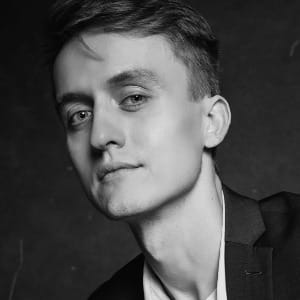
MICHAEL J. HAWK
Fourth Shepherd
Baritone (Fredonia, NY)
Seattle Opera Debut: Fiorello, The Barber of Seville (’24)
2023–25 Seattle Opera Resident Artist
Previously at Seattle Opera: The Speaker, The Magic Flute (’25); Silvio, Pagliacci (’24); Soloist, 60th Anniversary Concert & Gala (’24)
Engagements: Mr. Fox, The Fantastic Mr. Fox (Opera Omaha); Per Hansa, Giants in the Earth (South Dakota Symphony); Papageno, The Magic Flute (Buffalo Philharmonic); Demetrius, A Midsummer Night’s Dream (Santa Fe Opera); Ophémon, The Anonymous Lover, The Speaker, The Magic Flute, Schaunard, La bohème (LA Opera)
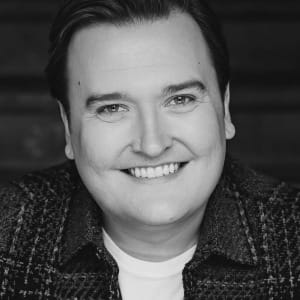
MILES MYKKANEN
Leukippos
Tenor (Bessemer, MI)
Seattle Opera Debut
Engagements: Sam Clay, The Amazing Adventures of Kavalier & Clay (The Metropolitan Opera); Fenton, Falstaff (Staatsoper Hamburg); Alfred, Die Fledermaus (Dutch National Opera & Ballet); Steuermann, The Flying Dutchman (Royal Ballet & Opera, Canadian Opera Company); Groom, Innocence (San Francisco Opera); Candide, Candide (Opéra de Lausanne, Tanglewood, Ravinia Festival)
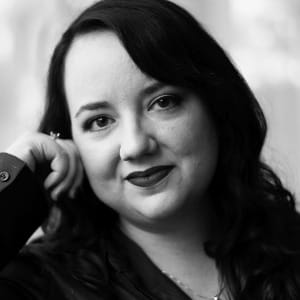
ASHLEE NAEGLE
Hair and Makeup Manager & Designer (Las Vegas, NV)
Seattle Opera Debut: Hair and Makeup Intern, Giulio Cesare (’07)
Ashlee Naegle made a name for herself early on in her career by mastering the dying art of wig building. She created and designed for several companies around town until the Seattle Opera created an in-house Hair and Makeup Designer position for her in 2017. During her time as the in-house Hair and Makeup Designer, she has built a sizable wig collection, built a department, and set high standards for wigs, hair and makeup. With each production, her designs are custom built for the performers and their characters to create a believable façade for the audience as well as complementing the costumes and production as a whole.
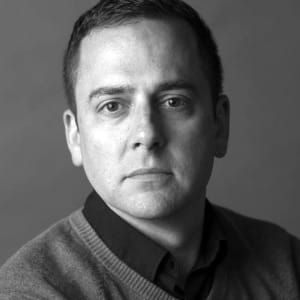
MICAH PARKER
Third Shepherd
Baritone (Bremerton, WA)
Seattle Opera Debut: Jailer, Tosca (’25)
Engagements: Don Giovanni in Concert (Bremerton Westsound Symphony); The Pearl Fishers (Puget Sound Concert Opera)
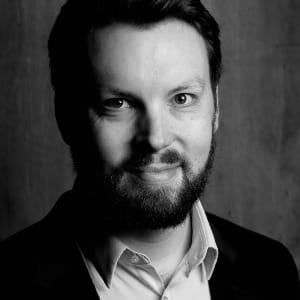
DAVID BUTT PHILIP
Apollo
Tenor (London, England)
Seattle Opera Debut
Engagements: Florestan, Fidelio (The Metropolitan Opera, Semperoper Dresden, Royal Ballet & Opera); Walther von Stolzing, Die Meistersinger von Nürnberg (Wiener Staatsoper); Prince, Rusalka (Royal Ballet & Opera); Bacchus, Ariadne auf Naxos (Edinburgh International Festival, Bayerische Staatsoper); Der Zwerg, Der Zwerg (Deutsch Oper Berlin); Lohengrin, Lohengrin (Deutsch Oper Berlin, Wiener Staatsoper)
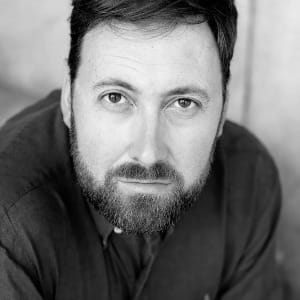
MATTHEW ROSE
Peneios
Bass (London, England)
Seattle Opera Debut
Engagements: Artistic Director, Spoleto Vocal Arts Workshop and Tosti International Singing Academy; Sarastro, The Magic Flute (The Metropolitan Opera, Palau de les Arts Reina Sofia); Fasolt, Das Rheingold (Bayerische Staatsoper, Deutsche Staatsoper Berlin); Rocco, Fidelio (Opéra National de Bordeaux); Baron Ochs, Der Rosenkavalier (Santa Fe Opera)
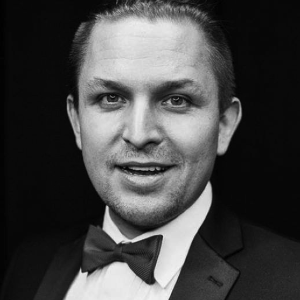
ILYA SILCHUKOU
First Shepherd
Baritone (Minkus, Belarus)
Seattle Opera Debut: Sciarrone, Tosca (’25)
Previously at Seattle Opera: Samuel, The Pirates of Penzance (’25)
Engagements: Hunter, Rusalka (Teatro alla Scala); Prince Yeletzky, Queen of Spades (Sofia Opera & Ballet); Dandini, Cinderella (Sofia Opera, Opéra National de Montpellier); Simeon, L’Enfant prodigue (Tacoma Opera); Belcore, The Elixir of Love (Théâtre du Capitole de Toulouse)
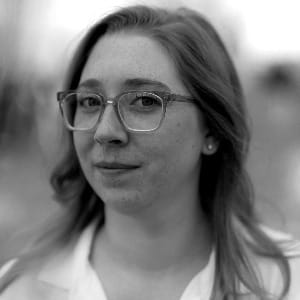
RANLEIGH STARLING
Lighting Designer (Seattle, WA)
Seattle Opera Debut
Ranleigh Starling joined Seattle Opera as the Assistant Lighting Designer for Orpheus & Eurydice (’22) and returned as a full-time staff member under the same title for the 2022/23 season. She now serves as Seattle Opera’s Lighting Supervisor. In both roles, Starling has supported guest lighting designers in their work on mainstage productions, including two world premieres. She oversees all lighting activities for the company and works closely with guest creative teams and in-house technicians to prepare and execute the designs for each production. She also acts as resident designer for Seattle Opera’s additional programming, including the Youth Opera Project, Artist Recitals, Chorus Concerts, and many other events. Starling holds a Master of Fine Arts from the University of Washington School of Drama.
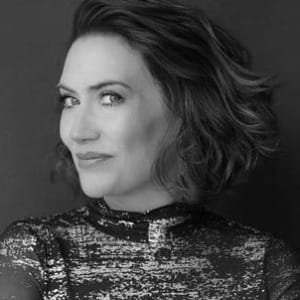
HEIDI STOBER
Daphne
Soprano (Waukesha, WI)
Seattle Opera Debut
Engagements: Queen Mary, Mary, Queen of Scots (English National Opera); Pat Nixon, Nixon in China, Zdenka, Arabella (Deutsche Oper Berlin); Pamina, The Magic Flute (Semperoper Dresden); Gretel, Hansel and Gretel (Royal Ballet & Opera House); Musetta, La bohème (The Metropolitan Opera); Soloist, Mahler Symphony No. 2 (San Francisco Symphony)
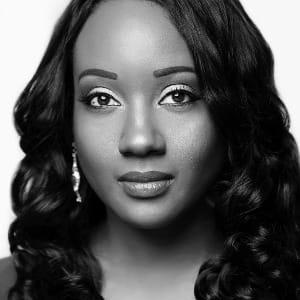
MELODY WILSON
Gaea
Mezzo-soprano (Newark, DE)
Seattle Opera Debut: Olga, Eugene Onegin (’20)
Previously at Seattle Opera: Fricka, Das Rheingold (’23)
Engagements: Rossweisse, Die Walküre (Dallas Symphony Orchestra); Mary, The Flying Dutchman (Lyric Opera of Chicago); Hermia, A Midsummer Night’s Dream (The Atlanta Opera)
Chorus
Tenor
Callum Alden
Hugh Davis
Andrew Etherington
Kenneth Foster
James Galbraith
Tim Janecke
Eric Angus Jeffords
Marcus Lee
Ian Loney
Carson Lott
Jacob Malpocker
Dan McGraw
Korland Simmons
Brendan Tuohy
Bass
Kelvin Boateng
Bobby Collins
Mark Davies
Craig Garretson
Craig Grayson
Glenn Guhr
Bertram Gulhaugen
Benjamin Harris
Zachary Martin
Terence Mejos
Michael Monnikendam
Micah Parker
Julian Reisenthel
Jonah Spool
Mark Wanich
Orchestra
Violin I
Emerson Millar, Concertmaster
Helen Kim, Assistant Concertmaster
Andy Liang
Jennifer Bai
Timothy Garland
Leonid Keylin
Ji Yeon Lee
Wayne Lee
Mikhail Shmidt
Jeannie Wells Yablonsky
Yesol Im
Dawn Posey
Victoria Parker
Blayne Barnes
Violin II
Elisa Barston, Principal
Cameron Daly, Asst. Principal
Kathleen Boyer
Evan Anderson
Stephen Bryant
Xiao-po Fei
Seunghoon Lee
Aaron Li
Andrew Yeung
Ruth Marie Balance
Emilie Choi
James Garlick
Viola
Sayaka Kokubo, Principal
Katie Liu, Asst. Principal
Mara Gearman
Ursula Steele
Olivia Chew
Wesley Dyring
Timothy Hale
Daniel Stone
Kayleigh Miller
Camille Ripple
Cello
Efe Baltacigil, Principal
Eric Han, Asst. Principal
Roberta Downey
Vivian Gu
Sunnat Ibragimov
David Sabee
Hana Cohon
Nathan Cottrell
Double Bass
Jordan Anderson, Principal
Will Langlie-Miletich, Asst. Principal
Jonathan Burnstein
Sam Casseday
Jennifer Godfrey
Travis Gore
Flute
Demarre McGill, Principal
Jeffrey Barker
Bridget Pei
Piccolo
Bridget Pei
Oboe
Ben Hausmann, Principal
Winnie Lai
English Horn
Stefan Farkas, Principal
Clarinet
Benjamin Lulich, Principal
Emil Khudyev
Laura DeLuca
Basset Horn
Eric Jacobs
Bass Clarinet
Jennifer Nelson
Bassoon
Seth Krimsky, Principal
Luke Fieweger
Paul Rafanelli
Contrabassoon
Kipras Mažeika
Horn
Jeffrey Fair, Principal
Jenna Breen
John Turman
Danielle Kuhlmann
Jonathan Karschney
Alphorn
Mark Robbins
Trumpet
David Gordon, Principal
Christopher Stingle
Alexander White
Michael Myers
Trombone
Ko-ichiro Yamamoto, Principal
Carson Keeble
Eden Garza
Tuba
John DiCesare, Principal
Timpani
Eric Schweikert, Principal
Percussion
Michael Werner, Principal
Jonathan Wisner
Matt Decker
Rob Tucker
Harp
Valerie Muzzolini, Principal
John Carrington
Keyboard
David McDade, Principal
Personnel Manager
Constance Aguocha
Assistant Personnel Manager
Keith Higgins
Rotating members of the string section are listed alphabetically.
Board of Directors
Chair
Maryanne Tagney
President
Jonathan Rosoff
Executive Vice Presidents
Stella Choi-Ray
Joshua Rodriguez
Secretary
Toby Bright
Treasurer
Ellen Evans
Chair Emeritus
John F. Nesholm
Immediate Past President
Lesley Chapin Wyckoff
Vice Presidents
Jason Bergevin
Brenda Bruns, M.D.
Alva Butcher
A. Richard Gemperle
Brian LaMacchia
Andrew Lewis
Aimee Mell
Wanda Nuxoll
Moya Vazquez
Directors
Willie C. Aikens
Evan Bennett
John Bozeat
Milkana Brace
Sue Buske
Ghaddra González Castillo
Lucas Fletcher
Robert Fries
Stephen Hilbert
Deborah Horne
Ron Hosogi
Gary Houlahan
Byron Joyner, M.D.
Maritta Ko
Nate Lee
Brian Marks
Louise Miller
Shana Moffatt
Steve Phelps
Cynthia Sprenger
Michael Theisen, M.D.
Russell F. Tousley
Judy Tsou
Janell F. Turner
Raymond Tymas-Jones, Ph.D.
Suzy Mygatt Wakefield, Ph.D.
Joan S. Watjen
Stephen Whyte
Representatives to the Board
Rachel Curry
BRAVO!
Kipras Mažeika, Eric Jacobs
The Seattle Symphony and Opera Players’ Association
Korland Simmons
Seattle Opera Chorus
Patricia Pavia
Seattle Opera Guild
Bruce Warshaw
IATSE Local 15
Honorary Lifetime Board Members
Bruce R. McCaw
William Weyerhaeuser
Past Presidents Council
Brian Marks
John F. Nesholm
Steve Phelps
Maryanne Tagney
Russell F. Tousley
William Weyerhaeuser
Seattle Opera Foundation
Steve Phelps, President
Milkana Brace
James D. Cullen
Ellen Evans
Robyn Grad
Susanna Morgan
Anne M. Redman
Joshua Rodriguez
John Sullivan
Moya Vazquez
Advisory Board
Co- Chairs:
Kim Anderson
Diana Gale
Linda Allen
John A. Bates
Don Brown
Dr. Gregory Chan
Fernando Encinar
Jack M. Firestone
Leslie Giblett
Victoria Ivarsson
Rhona Kwiram
Donna Leon
Michael Mael
Lynn Manley
Esther Neiditsch
Rosemary Peterson
Duane Schuler
Matthew Segal
Stephen A. Sprenger
Barbara Stephanus
Jim Uhlir
Scott W. Wyatt
Letters
From the General & Artistic Director
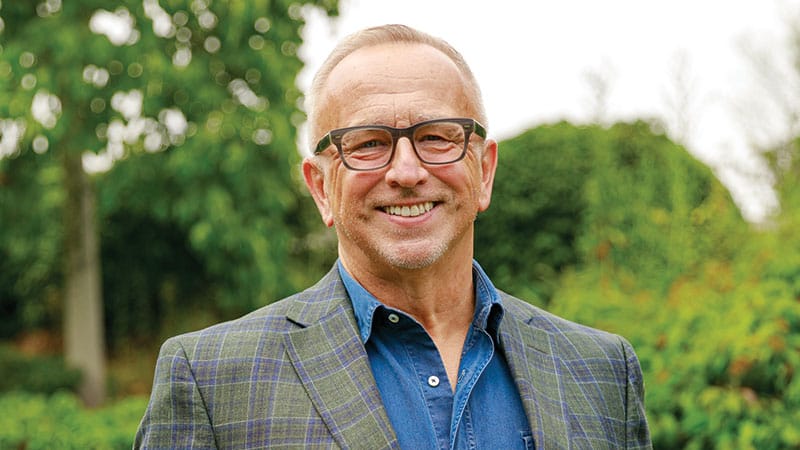
Welcome to McCaw Hall! I hope your new year is off to a great start. Last fall, we presented our very first production of The Pirates of Penzance. The production was a smashing success, with sellout performances and a student matinee for area schools. As we continue our mission of building our audiences through various programs, like student matinees, it is incredibly gratifying to receive your enthusiastic feedback.
And now for something completely different.
I’m particularly excited to have you with us as we perform Richard Strauss’s exquisite opera Daphne for the first time in the company’s history. Based loosely on an episode from Ovid’s epic poem Metamorphoses, Strauss described Daphne as a “bucolic tragedy in one act.” It’s considered one of the composer’s greatest achievements, even though it’s rarely performed today. Daphne premiered in 1938 during the rise of Nazism, and many believe it didn’t have the opportunity to make a greater impression due to the shadow of world events. Personally, I find this opera to be a stunning masterpiece, and I’m thrilled to share it with you.
It takes a first-class orchestra to bring Daphne to life, and we are fortunate to feature our great artistic partners, the Seattle Symphony, front and center for these performances. And we welcome a remarkable cast of internationally renowned singers: Heidi Stober, David Butt Philips, Matthew Rose, and Myles Mykkanen, all making Seattle Opera debuts.
Your investment in helping us to present world class opera to Seattle is deeply appreciated and I would like to thank you for the amazing generosity you’ve demonstrated over the years.
With many thanks and all best wishes,
James Robinson
General and Artistic Director
From the President
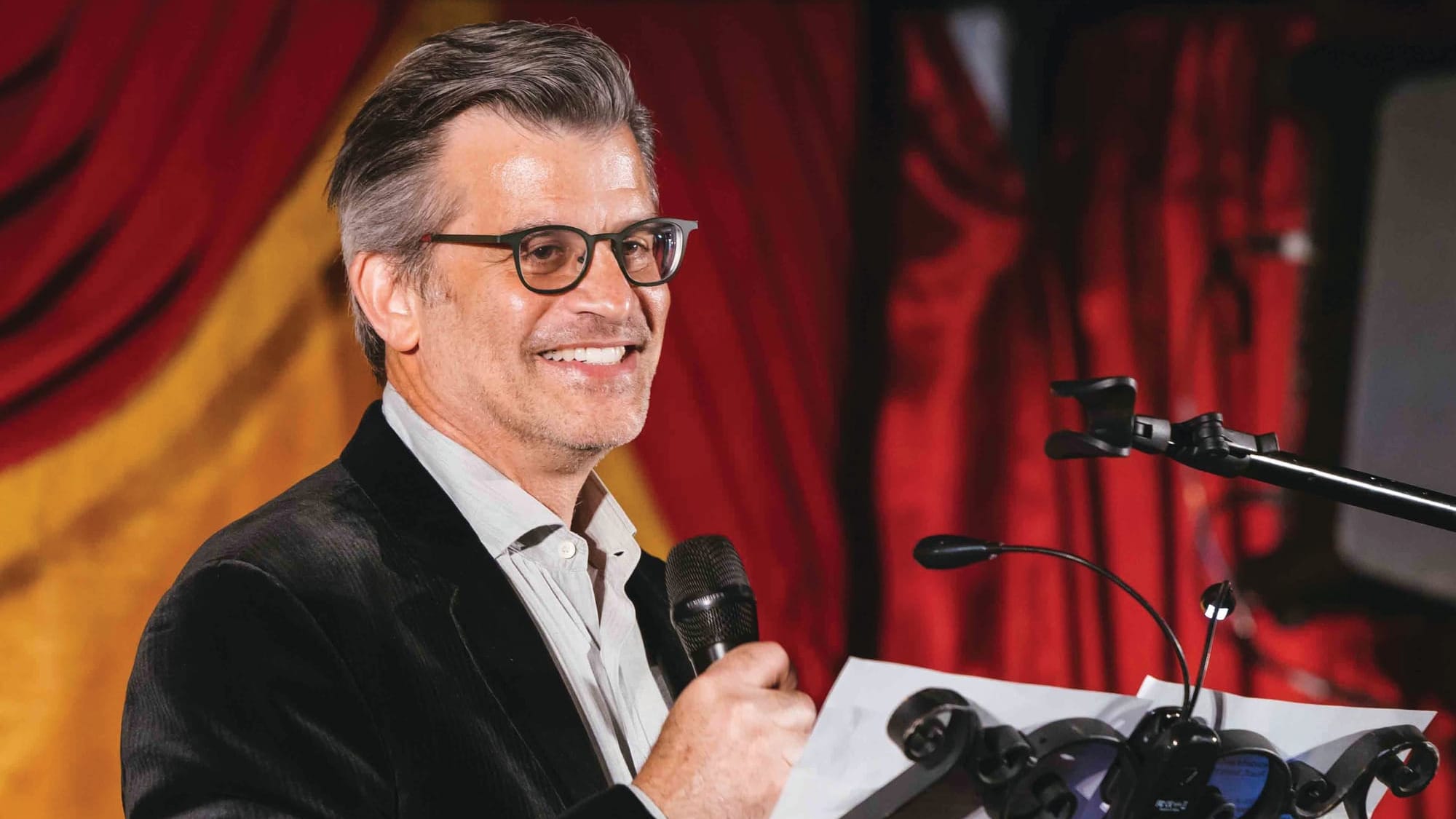
Welcome to Seattle Opera’s concert presentation of Daphne by Richard Strauss—our first performance of this illustrious work and our first Strauss opera in more than a decade. Recognized for its rich orchestration and luminous harmonies, this masterpiece is an ideal showcase for the exceptional musicians of the Seattle Symphony.
The symphony has been our longest and most rewarding collaborator—a partnership that began even before Seattle Opera itself was founded. As the story goes, Seattle was preparing to welcome visitors from around the globe as host of the 1962 World’s Fair, and a production of Verdi’s Aida was chosen as a grand statement of the region’s cultural achievement. The symphony presented a lavish staging of the masterpiece in Seattle’s new Opera House, and the idea for a permanent opera company took root soon afterwards. Seattle Opera was founded the following year.
Six decades later, you have the pleasure of hearing the fruits of that decision. Tonight, 83 symphony musicians will bring to life some of the most breathtaking music ever written, performing alongside a stellar cast of singers. This includes soprano Heidi Stober in the title role and tenor David Butt Philip as Apollo, both of whom are making their Seattle Opera debuts. Both singers have garnered the attention of audiences and critics across the US and Europe. Joining Heidi and David are tenor Miles Mykkanen as Leukippos and bass Matthew Rose as Peneios.
From the very beginning, collaboration with arts and community organizations has been a hallmark of Seattle Opera. Over the years, we have cultivated long-lasting relationships with institutions such as the symphony, local schools, community service providers, and civic organizations. Last year alone, we partnered with 64 community groups.
Our work with Tasveer and the Seattle Opera/Path with Art Veterans Choirs are two prominent examples.
Nearly three years ago, Tasveer—the South Asian film and arts organization—moved its operations to the Opera Center. Their staff shared our facilities, received technical support, and hosted their annual Film Summit here. The partnership allowed Tasveer to bring its annual festival in downtown Seattle and work toward acquiring a permanent home of their own. Last spring, they purchased the shuttered Ark Lodge Cinemas in Columbia City and launched a capital campaign to renovate and upgrade the space.
Initially formed as part of our 2019 production of The Falling and the Rising, the Veterans Choir has become a year-round initiative in partnership with Path with Art, a local organization that uses art and music to support individuals and groups affected by trauma. Directed by Seattle Opera Chorus Master Michaella Calzaretta, the ensemble is composed of veterans who love to sing—whether experienced or not. They rehearse at the Opera Center and perform at community events throughout the city. Beyond sharing their love of music, these men and women form meaningful friendships and community through song.
Through community enrichment, economic impact, and educational opportunity, Seattle Opera plays an important role in the cultural life of the Pacific Northwest. Of course, none of this would be possible without your support and generosity. When you give to Seattle Opera, you help fuel not only our mainstage productions, but our work with children, veterans, people experiencing homelessness, and countless others. Thank you for being here, and for supporting this vital work.
Now it’s time to relax, get comfortable, and relish the pastoral beauty created by Strauss more than 85 years ago.
Thank you,Welcome to Seattle Opera’s concert presentation of Daphne by Richard Strauss—our first performance of this illustrious work and our first Strauss opera in more than a decade. Recognized for its rich orchestration and luminous harmonies, this masterpiece is an ideal showcase for the exceptional musicians of the Seattle Symphony.
The symphony has been our longest and most rewarding collaborator—a partnership that began even before Seattle Opera itself was founded. As the story goes, Seattle was preparing to welcome visitors from around the globe as host of the 1962 World’s Fair, and a production of Verdi’s Aida was chosen as a grand statement of the region’s cultural achievement. The symphony presented a lavish staging of the masterpiece in Seattle’s new Opera House, and the idea for a permanent opera company took root soon afterwards. Seattle Opera was founded the following year.
Six decades later, you have the pleasure of hearing the fruits of that decision. Tonight, 83 symphony musicians will bring to life some of the most breathtaking music ever written, performing alongside a stellar cast of singers. This includes soprano Heidi Stober in the title role and tenor David Butt Philip as Apollo, both of whom are making their Seattle Opera debuts. Both singers have garnered the attention of audiences and critics across the US and Europe. Joining Heidi and David are tenor Miles Mykkanen as Leukippos and bass Matthew Rose as Peneios.
From the very beginning, collaboration with arts and community organizations has been a hallmark of Seattle Opera. Over the years, we have cultivated long-lasting relationships with institutions such as the symphony, local schools, community service providers, and civic organizations. Last year alone, we partnered with 64 community groups.
Our work with Tasveer and the Seattle Opera/Path with Art Veterans Choirs are two prominent examples.
Nearly three years ago, Tasveer—the South Asian film and arts organization—moved its operations to the Opera Center. Their staff shared our facilities, received technical support, and hosted their annual Film Summit here. The partnership allowed Tasveer to bring its annual festival in downtown Seattle and work toward acquiring a permanent home of their own. Last spring, they purchased the shuttered Ark Lodge Cinemas in Columbia City and launched a capital campaign to renovate and upgrade the space.
Initially formed as part of our 2019 production of The Falling and the Rising, the Veterans Choir has become a year-round initiative in partnership with Path with Art, a local organization that uses art and music to support individuals and groups affected by trauma. Directed by Seattle Opera Chorus Master Michaella Calzaretta, the ensemble is composed of veterans who love to sing—whether experienced or not. They rehearse at the Opera Center and perform at community events throughout the city. Beyond sharing their love of music, these men and women form meaningful friendships and community through song.
Through community enrichment, economic impact, and educational opportunity, Seattle Opera plays an important role in the cultural life of the Pacific Northwest. Of course, none of this would be possible without your support and generosity. When you give to Seattle Opera, you help fuel not only our mainstage productions, but our work with children, veterans, people experiencing homelessness, and countless others. Thank you for being here, and for supporting this vital work.
Now it’s time to relax, get comfortable, and relish the pastoral beauty created by Strauss more than 85 years ago.
Thank you,
Jonathan Rosoff
President, Seattle Opera Board of Directors
Meet Heidi & David
By Glenn Hare
Tenor David Butt Philip and soprano Heidi Stober are both making their Seattle Opera debuts in this concert presentation of Daphne. In conversation with Seattle Opera, the internationally renowned singers discuss a wide variety of things, including career choices, repertoire, sports, and stage mishaps.
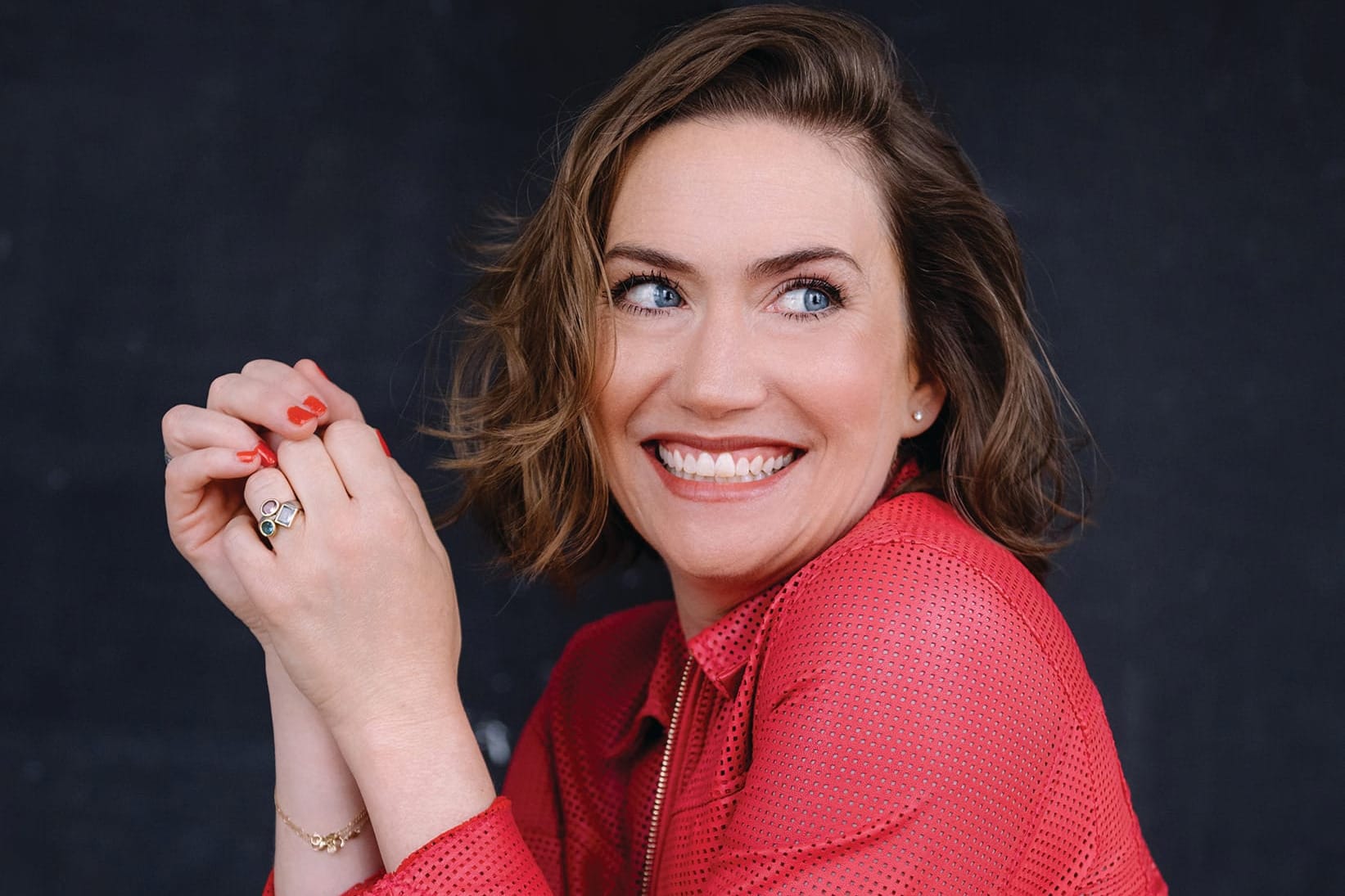
Heidi Stober
Why do you love singing opera?
I'm a religious person, and I do feel that my career is a calling. Once I was asked, “When are you most connected to yourself?” I replied, “On stage, when I'm singing.” Granted, it's not every moment of every opera, but there are many times when I feel absolutely at peace. I’m unbelievably blessed to get to do this for my job, as my career.
Your repertoire is broad, from Baroque to musical theater and many genres in between. Why the wide variety?
I think of repertoire as a kind of toolbox, with each tool/genre serving a purpose. My time at Houston Grand Opera and Deutsche Oper Berlin were opportunities to try lots of things. That experience taught me not to shy away from something new. I consider each opportunity as a blessing, including the 250 school performances I did early in my career.
So, speaking of not shying away from a role, Daphne is a role debut for you. What attracted you to it?
Well, it’s Strauss and I love his music. I’ve performed Zdenka in Arabella several times, but there are other roles on my wish list. I would love to sing the Marschallin in Der Rosenkavalier. I couldn’t turn down an opportunity to sing Daphne. It’s not done often.
Would you tell us about the time you injured yourself during a performance?
It was the opening night of Semele, during the second act. In this performance I wore high heels. During one of Jupiter’s arias, I had to jump over some chorus members who were sprawled across the stage, then make a quick pivot. That night, I stopped to make the pivot, but my knee didn’t follow my foot! I felt the craziest ripping sensation in my knee. And of course…
Torn ACL [anterior cruciate ligament]?
You got it. Completely gone. At that moment, I didn't know what had happened. I stumbled and threw off the shoes. I whispered to a cast member, “Something just ripped in my knee.” Somehow, they got me off the stage. Backstage, they wrapped my knee in ice and asked, “Can you go on?” I said, “Yes, let's do it.” I did that entire performance on an adrenaline rush. I sobbed from pain when it was over. With the help of a physical therapist and an osteopath, I completed the run without an ACL.
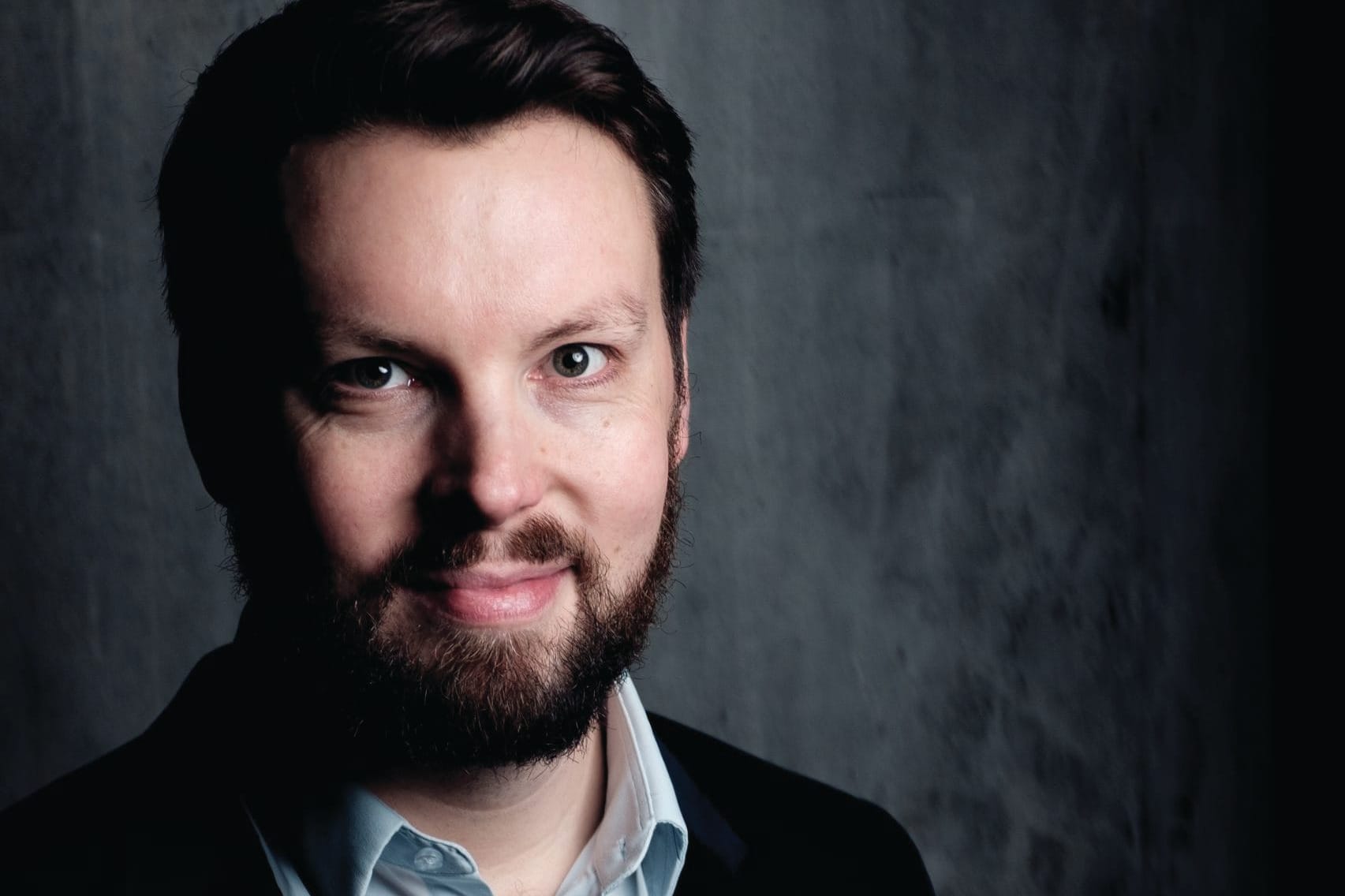
David Butt Philip
Did you grow up in a musical family?
Yes, sort of. I mean, there aren’t any other professional musicians in my family, but my parents are both huge classical music lovers. And my dad, at age 80, is an accomplished amateur musician. My parents started taking me to concerts and operas when I was a teenager. But my time as a cathedral chorister started me singing. A lot of guys in the UK get into classical music through singing in church choirs. When I was a teenager, I was more interested in pop music, which is why I'm looking forward to coming to Seattle for the first time.
How did you change your voice range from baritone
to tenor?
I was a baritone for six years at conservatoire and then professionally for two years. Two years after I left the Royal Academy of Music my voice—by itself, with no sort of specific aim or encouragement—changed quite dramatically in tone color and placement. My range also changed a little bit. I was always a very high baritone with a good top A. So, it wasn’t a big difference in range, but more a change in technique and sound. By the time I made the decision to “retrain,” I already had a pretty good B flat. Nowadays, I have a B natural and I have a solid C natural, but that’s for special occasions only. It is kind of crazy that I’m a tenor—especially a heroic and dramatic one.
Speaking of heroes, what superpower would you desire to have?
I have this conversation with my kids all the time. I think it’s got to be the ability to fly. I think flying would be so awesome. Apart from the convenience of getting from one place to another, I’m a bit of a thrill seeker. Maybe that is why I like being an opera singer.
Here is a follow-up question: Do you prefer singing tenor (romantic) roles or singing baritone (villainous) roles?
I struggled a bit as a young baritone, because without this beard, I appear boyish and youthful. I struggled to be taken seriously in bad-guy roles. When I became a tenor, my appearance became a big advantage. Suddenly, I was asked to play young, romantic leading roles. Now that I’m my mid-thirties, my career has shifted to anti-heroes—the tortured souls like Don José in Carmen and Laca in Jenůfa, or the Prince in Rusalka.
You said that you’re looking forward to coming to Seattle for, I guess, the grunge scene?
Yeah, I was “grungy” in the nineties. I’m a massive Nirvana, Pearl Jam, and Soundgarden guy. I’ve never been to the State of Washington. I admit that the first thing that crossed my mind when I was approached about coming to Seattle was, “Oh, that could be exciting. I bet there were some good things to see there.”
When you’re not performing, what do you do for fun?
When I’m at home, it’s largely about being a dad. But I’m a massive sports fan, particularly football/soccer. I watch everything. In fact, when I’m on the road, I often attend games. When I worked in Madrid, I watched Real Madrid play. I’ve had some great experiences in the States, too. When I worked in San Francisco for a couple of months, I became a Giants fan. I went to see the Golden State Warriors a few times. I love watching the NFL, but I’ve never actually had the chance to go to a game. If the Seahawks are in the playoffs, maybe I’ll get the chance to see a game in person.
Upcoming Events
QUEERNESS AND OPERA
Tuesdays, Jan. 20–Feb. 17, 2026
(5 Zoom Sessions)
$150 Sliding Scale Fee or 1 Flex Pass Credit
From queer composers such as Britten and Tchaikovsky to gender-expansive traditions in opera and queer interpretations of traditional opera, learn more about the long-standing role of queerness in opera both historically and today.
seattleopera.org/queeropera
SONGS OF PRIDE
The Opera Center
Friday, Jan. 30, 2026 at 7:00 PM
Tickets: $34 Subscribers; $39 General Public
Celebrate Pride at the Opera Center with a recital featuring members of the Fellow Travelers cast. Curated by conductor Patrick Summers, artists will perform a wide range of selections from past and present that honor and celebrate the queer and LGBTQ+ community of Seattle.
seattleopera.org/pride
The performance will be broadcast LIVE on Classical King FM as part of the station’s Northwest Focus LIVE performance series.
THE MAKING OF FELLOW TRAVELERS
The Opera Center
Friday, Feb. 6, 2026 at 7:00 PM
Free with RSVP requested
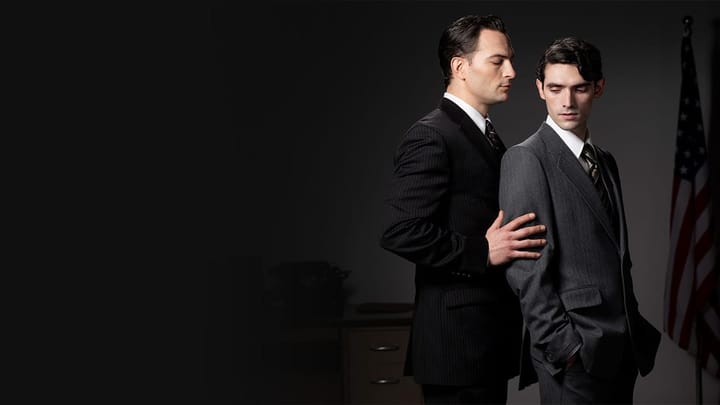
Join us for a conversation on the making of Fellow Travelers, a timely work that now ranks among the most popular contemporary operas in the US. You’ll have a chance to hear directly from composer Gregory Spears and stage director Kevin Newbury about how this work came into being and what their vision is for this new national touring production that Seattle Opera will be the first to present.
seattleopera.org/travelerstalk
OPERA TALK: THOMAS MALLON, AUTHOR OF FELLOW TRAVELERS
Friday, February 20, at 7:30 PM
The Wyncote NW Forum at Town Hall Seattle
1119 8th Ave, Seattle (Entrance off Seneca St.)
Hear from acclaimed author, essayist, and critic Thomas Mallon, whose novel Fellow Travelers (2007) inspired the opera, as well as the SHOWTIME® miniseries. With exacting attention to historical detail, Mallon’s novel brings to life the shameful era in the early 1950s known as the Lavender Scare, during which gay and lesbian federal employees were systematically expelled from government service. Reporter Katie Campbell, creator and host of the KUOW Book Club, will join Mallon for a lively discussion on this important book and the lessons it holds for our own time.
seattleopera.org/mallon
Print Edition