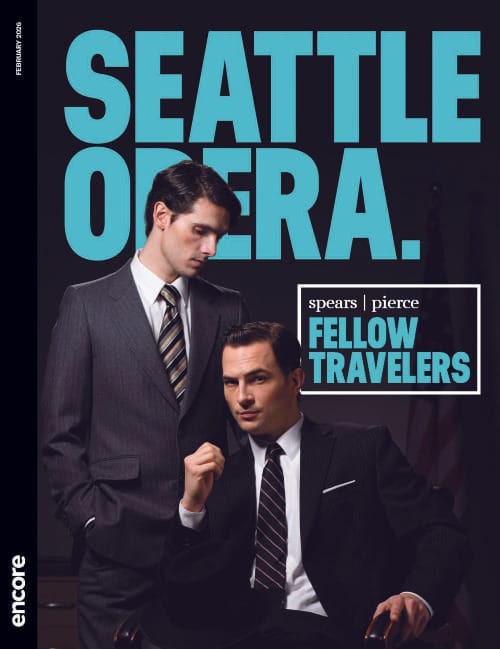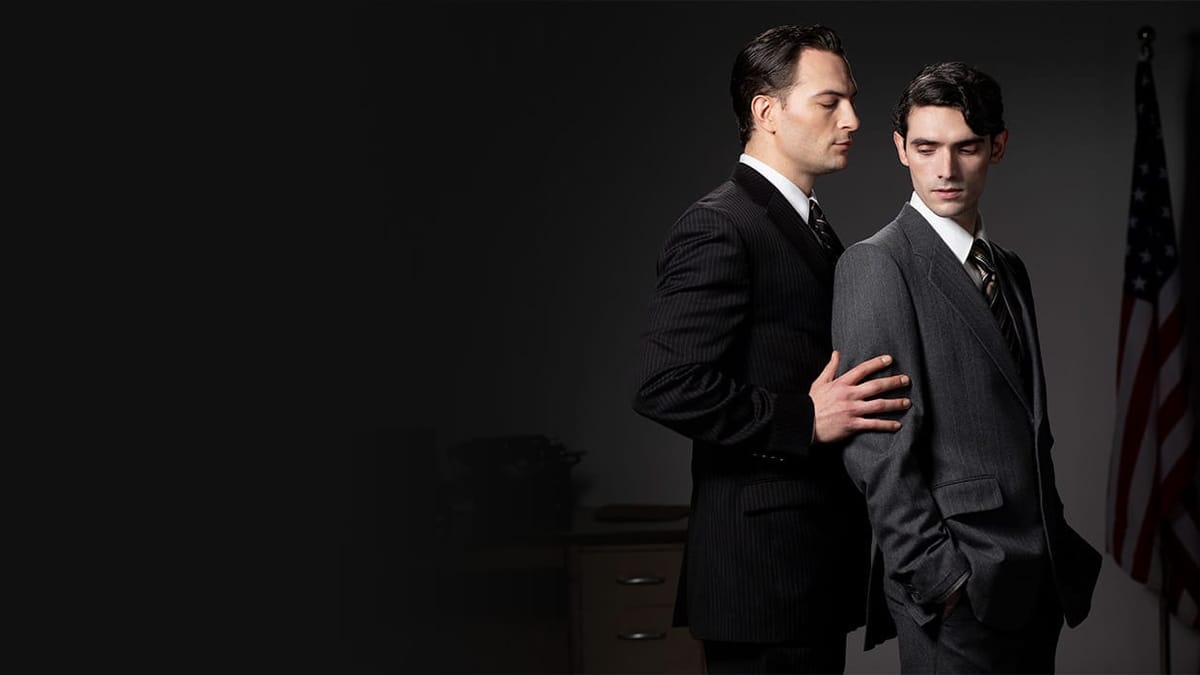
February 21 – March 1, 2026 | McCaw Hall
In This Program
- Show Information
- Who’s Who
- Letters
- Features
- Additional Information
Production Sponsors
2025/26 Season Sponsor
4Culture
Production Sponsors
Michael P. Theisen, MD
Toby Bright and Nancy Ward
Nesholm Family Foundation
Artist Sponsor
Anne M. Redman
Joseph Lattanzi as “Hawkins Fuller”
We are deeply grateful to you, Seattle Opera’s 5,700+ Annual Fund donors.
Your passion for opera and contributions at every dollar amount inspire great performances at McCaw Hall, and support engaging activities at the Opera Center and throughout Washington state all season long!
Thank you!
Music by Gregory Spears †
Libretto by Greg Pierce †
Directed by Kevin Newbury
Based on the book by Thomas Mallon
Produced by Up Until Now Collective
World Premiere: Cincinnati Opera, 2016
Seattle Opera Premiere: 2026
ACT I: 55 minutes
Intermission: 25 minutes
ACT II: 56 minutes
In English with English captions
CONDUCTOR
Steven Osgood †
DIRECTOR
Kevin Newbury
ASSOCIATE DIRECTOR & INTIMACY DIRECTOR
Sara E. Widzer †
SCENIC DESIGNER
Vita Tzykun
COSTUME DESIGNER
Devario Simmons †
LIGHTING DESIGNER
Thomas C. Hase
WIGS, HAIR, AND MAKEUP MANAGER & DESIGNER
Ashlee Naegle
ENGLISH CAPTIONS
Jonathan Dean
Cast
(in order of appearance)
HAWKINS FULLER
Jarrett Ott †
(Feb. 21, 27, & Mar. 1)
Joseph Lattanzi
(Feb. 22, 25, & 28)
TIMOTHY LAUGHLIN
Colin Aikins †
(Feb. 21, 27, & Mar. 1)
Andy Acosta
(Feb. 22, 25, & 28)
POTTER’S ASSISTANT/BOOKSELLER/PARTY GUEST/TECHNICIAN/PRIEST
Jeremy Weiss †
TOMMY MCINTYRE
Randell McGee †
SENATOR CHARLES POTTER/GENERAL ARLIE/BARTENDER
Kyle Pfortmiller †
MISS LIGHTFOOT
Vanessa Becerra
MARY JOHNSON
Amber R. Monroe †
ESTONIAn FRANK/INTERROGATOR/SENATOR JOSEPH MCCARTHY
Marcus DeLoach
LUCY
Elisa Sunshine †
ASSISTANT CONDUCTOR
Michaella Calzaretta
MUSIC PREPARATION
David McDade
Jay Rozendaal
PRODUCTION STAGE MANAGER
Jonathan Moore
ASSISTANT STAGE MANAGERS
Quinn Chase
Mike Egan
Fellow Travelers was originally developed and co-commissioned by G. Sterling Zinsmeyer & Cincinnati Opera. Original production directed by Kevin Newbury.
Used by arrangement with European American Music Distributors Company, sole US and Canadian agent for Schott Helicon Music Corporation, New York, publisher and copyright owner.
† Seattle Opera mainstage debut
Opera presentation and production © Seattle Opera 2026.
Copying of any performance by camera , audio, or video recording equipment, and by any other copying device, and any other use such as copying devices during the performance is prohibited.
The Story
Washington, DC, September 1953 to May 1957. Eisenhower is president. Senator Joseph McCarthy is stoking fears that the US federal government is full of Communists and Soviet spies. This period, known as the Red Scare, took place simultaneously with the lesser-known Lavender Scare, a dangerous time when all homosexuals were assumed to be traitors.
ACT I
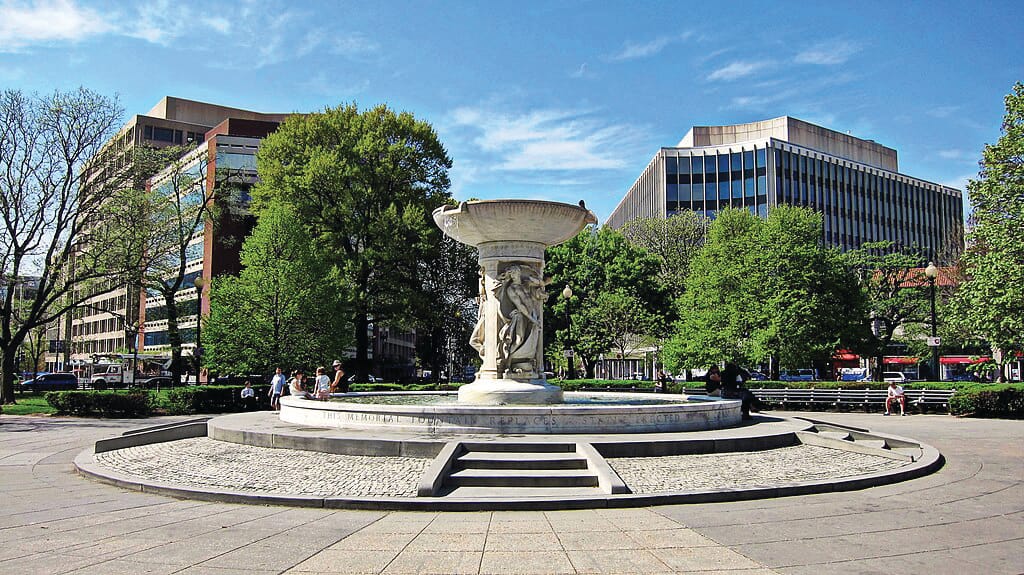
Scene 1: Park in Dupont Circle. A fledgling reporter, Timothy Laughlin, sits on a bench reviewing his notes from McCarthy’s wedding when he is approached by State Department employee Hawkins Fuller.
Scene 2: Senator Charles Potter’s Office. Timothy is hired as a speechwriter for Senator Charles Potter. Timothy meets Tommy McIntyre, who gives him unsolicited advice about Washington politics.
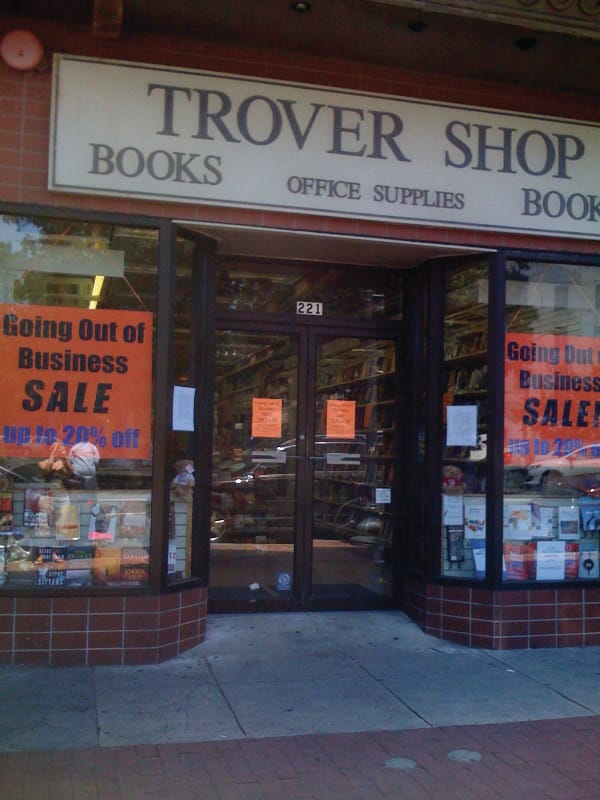
Scene 3: Hawkins’ Office/Trover Bookstore. Timothy stops by Hawkins’ office to drop off a thank-you gift. He meets Hawkins’ assistant and best friend Mary, and his secretary Miss Lightfoot, who mocks Timothy after he leaves.
Scene 4: Timothy’s Apartment. Timothy is at home cooking soup and writing his sister a letter when Hawkins unexpectedly stops by to tell him about the delights of Bermuda, among other things.
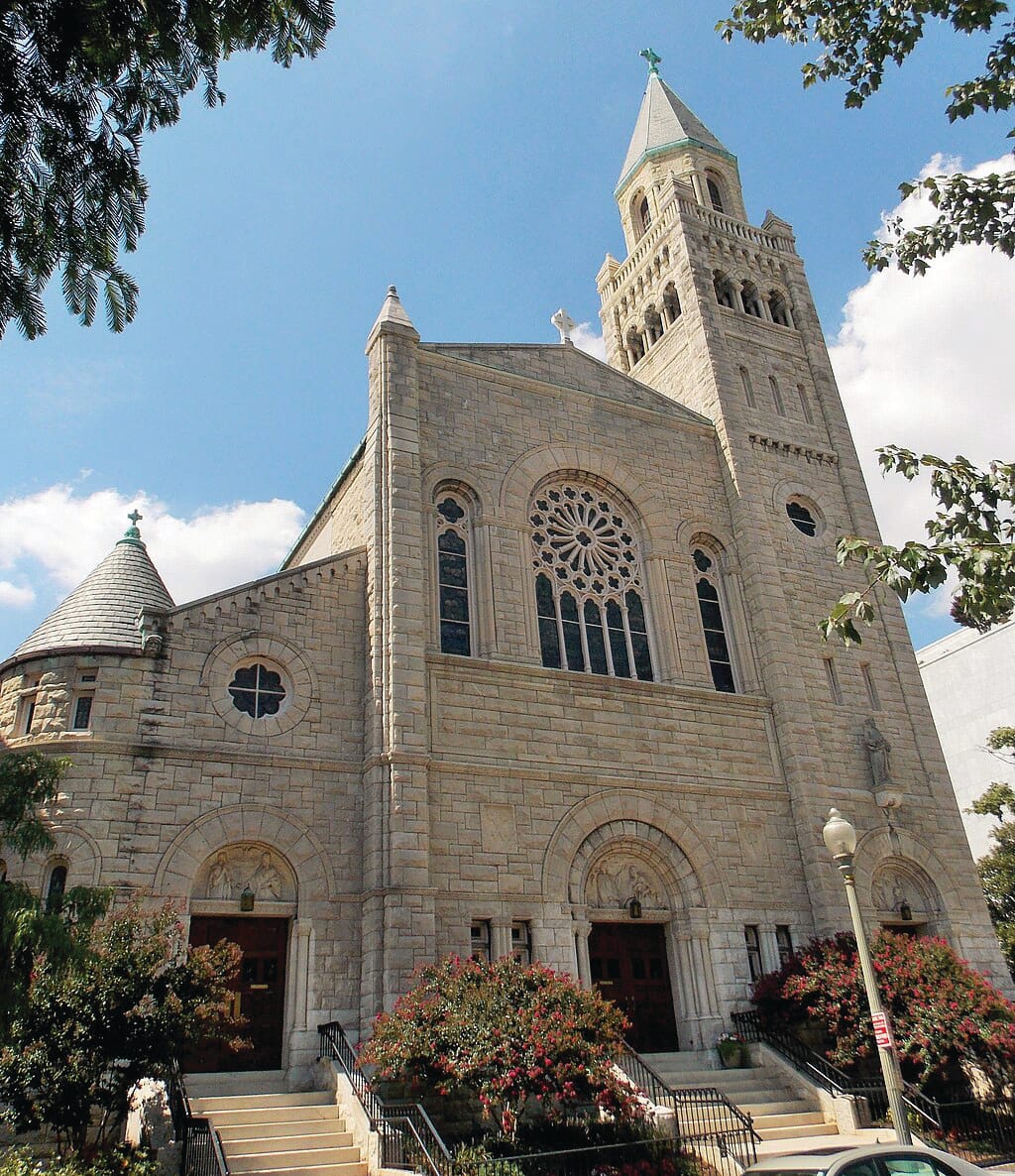
Scene 5: St. Peter’s Church. In the afterglow of last night’s encounter with Hawkins, Timothy is torn between his deep Catholicism and his blossoming passion.
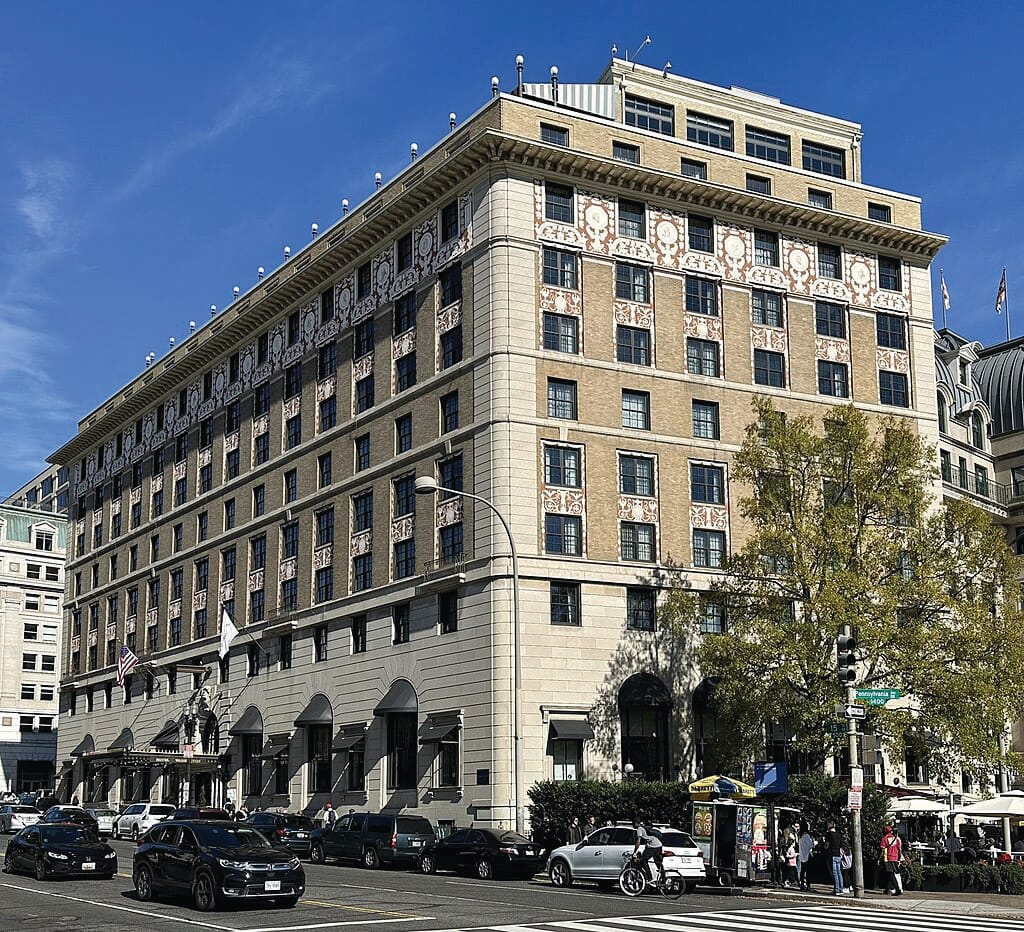
Scene 6: Hotel Washington. At a Christmas party, Timothy is approached by an Army general about enlisting; Mary warns Hawkins about his reckless behavior with Timothy; McIntyre tells Potter about McCarthy’s latest political troubles; Miss Lightfoot overhears an intimate exchange between Hawkins and Timothy.
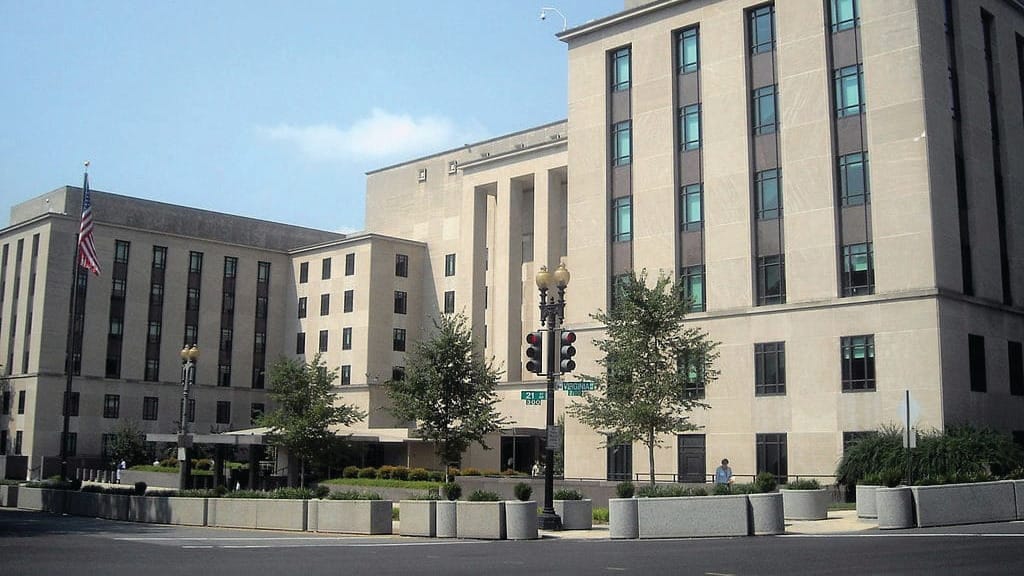
Scene 7: Interrogation Room M304. An interrogator puts Hawkins through a series of humiliating tests in an attempt to determine whether or not he is a homosexual. (Interrogation Room M304 is a fictional location, though such a room could plausibly have existed within the State Department.
Scene 8: Timothy’s Apartment. Timothy and Hawkins discuss the interrogation, McCarthy, and Hawkins’ illicit amusements in New York City.
ACT II
Scene 9: McCarthy’s Office. Senator Potter warns McCarthy that the “Adams Chronology,” which details how Roy Cohn and McCarthy pressured the Army to give Cohn’s friend, David Schine, special treatment, will be McCarthy’s downfall unless he gives up Cohn.
Scene 10: Mary’s Kitchen/Timothy’s Apartment. Mary invites Timothy over to warn him of Hawkins’ fickle nature. She tells Timothy she is pregnant from a one-night stand. In Timothy’s apartment, Hawkins rejoices that he’s been cleared of allegations of homosexuality. Timothy is shocked by how Hawkins wants to celebrate.
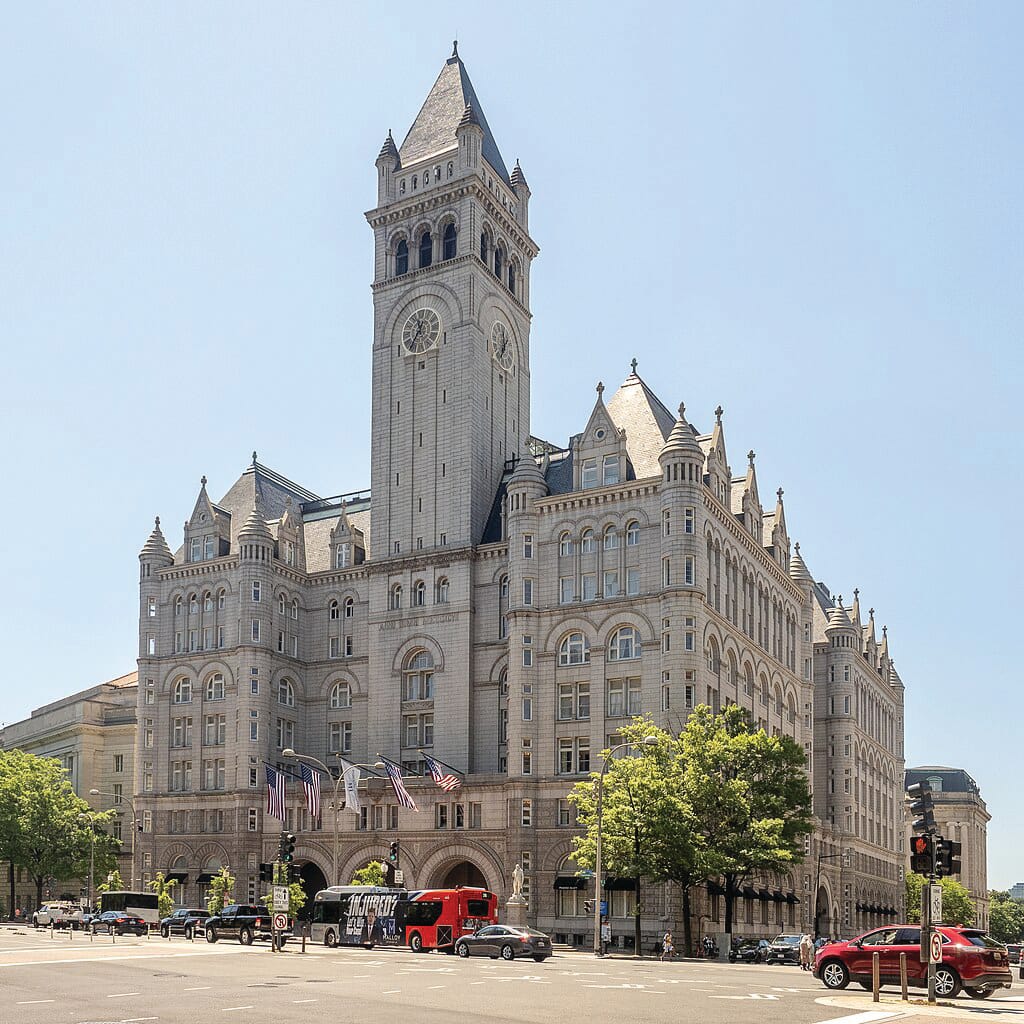
Scene 11: Roof of the Old Post Office. Timothy, in agony over his fraught relationship, tells Hawkins he’s decided to enlist in the Army.
Scene 12: Hawkins’ Office. Mary tells Hawkins she is quitting, as she can no longer work in an atmosphere of panic and persecution.
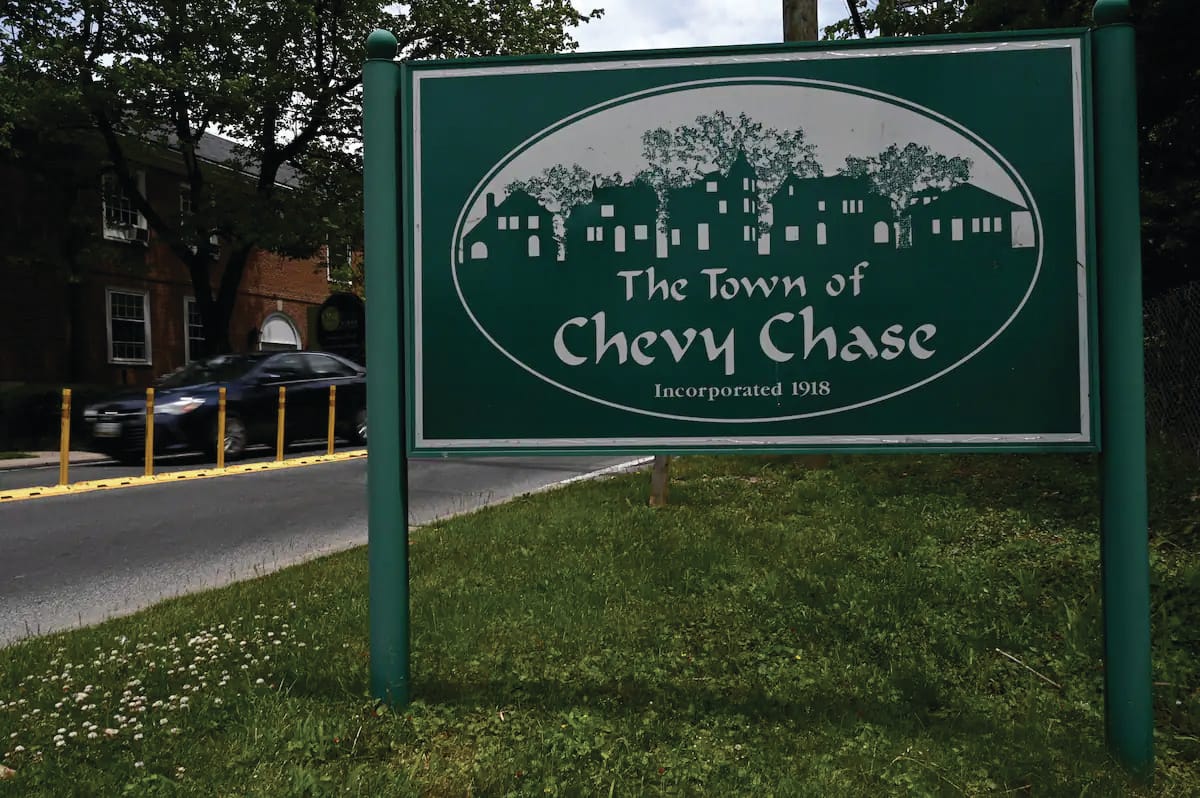
Scene 13: Timothy in France/Hawkins in Chevy Chase, MD. Two years pass. Timothy writes letters to Hawkins and Mary from France, where he is stationed. Hawkins is now married to a woman named Lucy, with a house in the suburbs, but would clearly like to rekindle his relationship with Timothy upon his return.
Scene 14: Brick House. In a house in DC that Hawkins has rented for his afternoon flings with Timothy, Hawkins expresses that he cannot be everything Timothy wants. Hawkins resolves to end the affair himself.
Scene 15: Mary’s Kitchen/Brick House/Room M304. Mary is packing when Hawkins stops by, distraught. Hawkins confesses that in order to push Timothy away, he has given Timothy’s name to those investigating alleged homosexuals. He asks Mary to tell Timothy about this betrayal in hopes that it will make Timothy hate him.
Scene 16: Park in Dupont Circle. His dreams dashed, Timothy decides to
leave Washington, DC, and Hawkins Fuller for good. Both heartbroken,
they say goodbye.
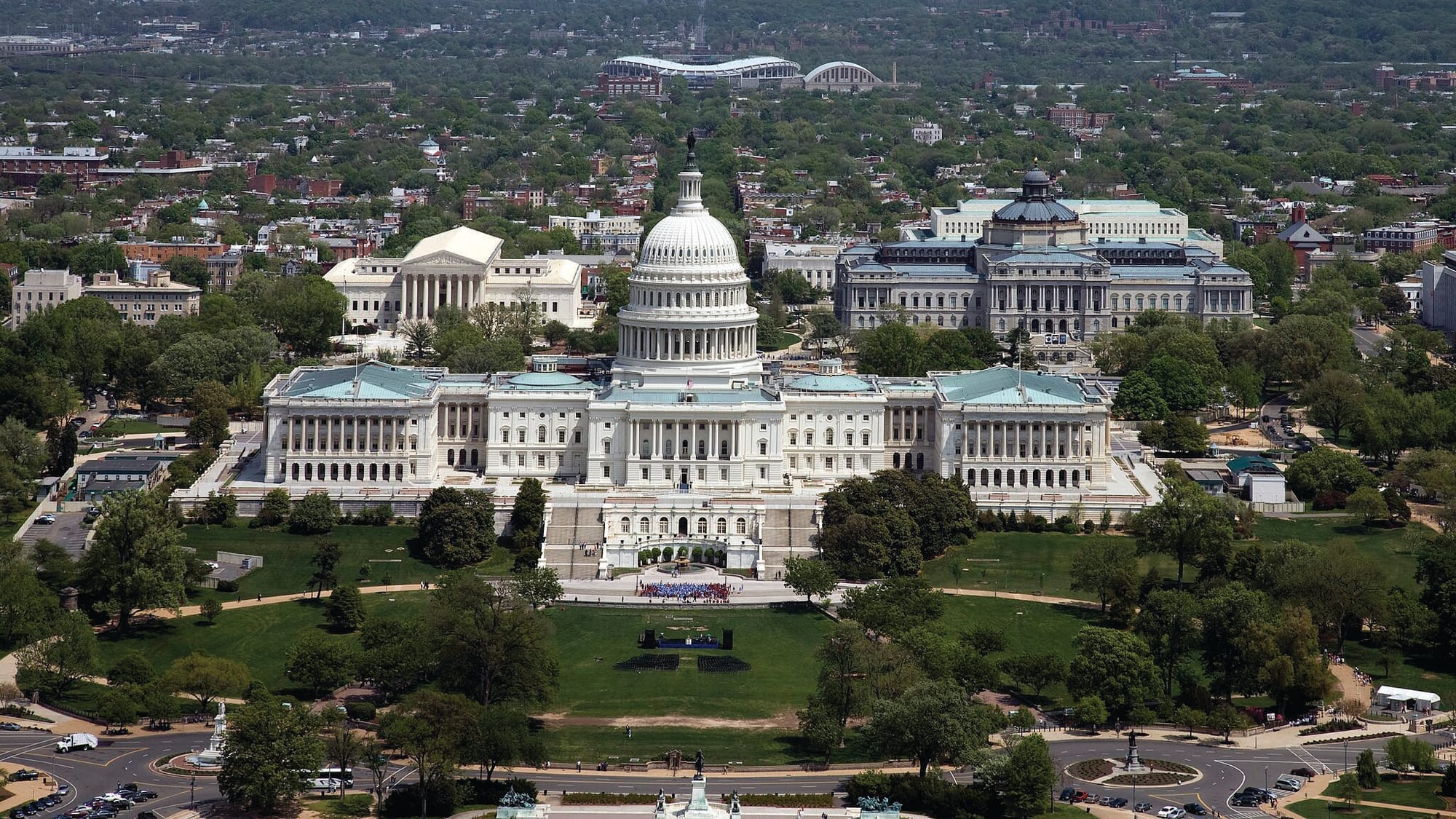
District Landmarks Found in the Opera
The Red Scare
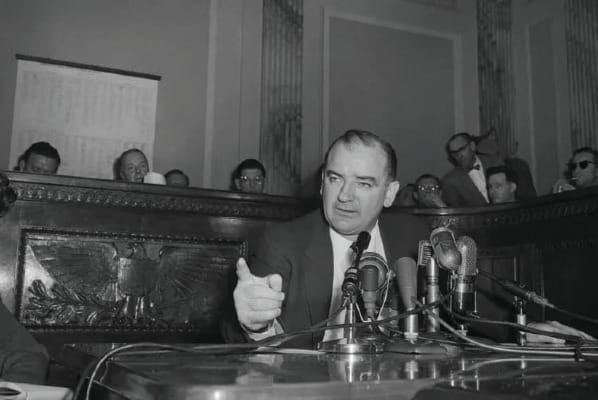
In February 1950, while delivering a speech in Wheeling, WV, Senator Joseph R. McCarthy captured national attention by claiming that more than 200 employees of the US State Department were members of the Communist Party. The assertion made McCarthy a lightning rod, launching what became known as the Red Scare. The era was fueled by perceived communist and socialist threats and a backlash against “radical” thinking, which led to widespread political persecution, blacklists, and the suppression of dissent in the United States.
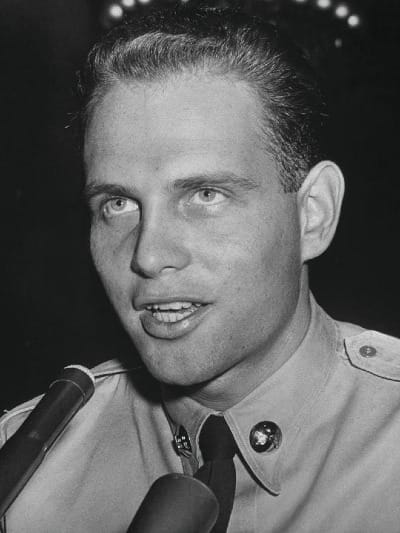
One of the central figures in these hearings was G. David Schine, a wealthy heir to a hotel chain fortune who served in the Armed Forces. As chief consultant to the Senate committee, Schine was a close friend and colleague of Roy Cohn, who served as McCarthy’s chief legal counsel. McCarthy and Cohn were accused of pressuring military officials to grant Schine special privileges, including an officer’s commission.
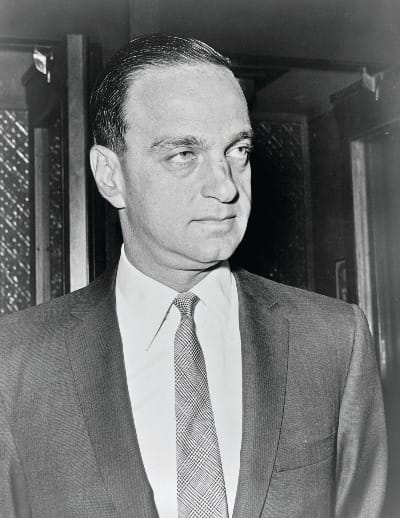
In response, McCarthy and Cohn countered that the Army was holding Schine “hostage” in order to undermine their investigations into alleged communists within the military.
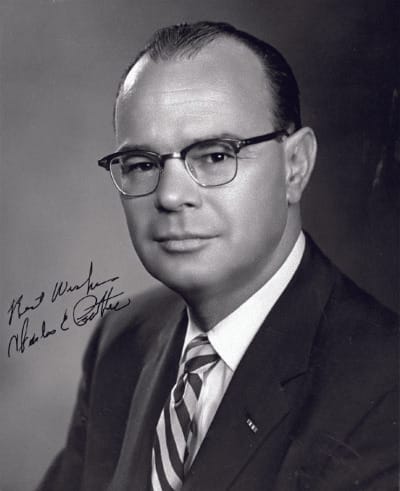
Senator Charles E. Potter of Michigan, a World War II veteran who lost both legs while fighting in France, emerged as a prominent opponent of McCarthy. Potter was the first member of the subcommittee to question Cohn’s conduct, and his actions ultimately contributed to McCarthy’s censure and political downfall.
Who’s Who
Artists
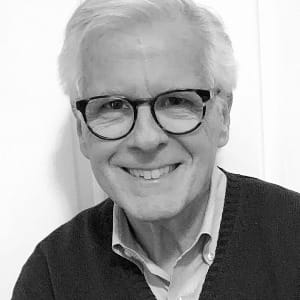
THOMAS MALLON
Author (Glen Cove, NY)
Thomas Mallon’s eleven books of fiction include Henry and Clara, Fellow Travelers, Watergate (a Finalist for the PEN/Faulkner Award) and Up With the Sun. He has also written volumes of nonfiction about plagiarism (Stolen Words), diaries (A Book of One’s Own), letters (Yours Ever), and the Kennedy assassination (Mrs. Paine’s Garage), as well as two books of essays (Rockets and Rodeos and In Fact). A collection of his personal journals, The Very Heart of It: New York Diaries, 1983–1994, was published by Knopf in June 2025. Mallon’s work appears in The New Yorker, The New York Times Book Review, and other publications. He received his PhD in English and American Literature from Harvard University and taught for a number of years at Vassar College. His honors include Guggenheim and Rockefeller fellowships, the National Book Critics Circle citation for reviewing, and the Harold D. Vursell Memorial Award of the American Academy of Arts and Letters, for distinguished prose style. He has been literary editor of Gentlemen’s Quarterly and deputy chairman of the National Endowment for the Humanities, and in 2012 he was elected to the American Academy of Arts and Sciences. An eight-part dramatic adaptation of his novel Fellow Travelers is now streaming on Showtime/Paramount+, and an opera based on the novel has had a dozen productions throughout the United States. He is Professor Emeritus of English at George Washington University and lives in Washington, DC.
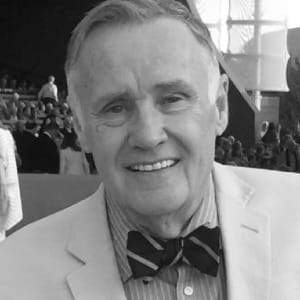
G. STERLING ZINSMEYER
Original Commissioner (San Antonio, TX)
G. Sterling Zinsmeyer is a veteran producer of films and stage productions. His interest has been to tell the stories of our gay community. His film production credits include The Deception, which premiered at the 2015 Santa Fe Film Festival, and Latter Days, which was released to wide acclaim in 2004. Latter Days has since been selected by the Library of Congress to be archived in their collection of important American films. After reading Thomas Mallon’s novel Fellow Travelers, Mr. Zinsmeyer enlisted his friend Kevin Newbury to help him bring this story to the stage as a chamber opera. Together they brought Gregory Spears and Greg Pierce aboard as composer and librettist. The opera premiered in Cincinnati in 2016 to rapturous reviews and was named by The New York Times as one of the ten best classical music events of that year. Mr. Zinsmeyer is currently the Acting Director of the Center for Contemporary Arts, Santa Fe, NM.
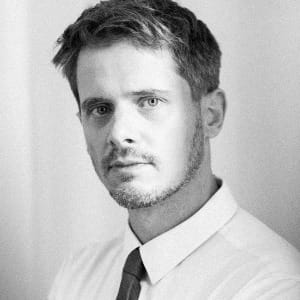
GREGORY SPEARS
Composer (New York, NY)
Seattle Opera Debut
Gregory Spears is a New York-based composer who has been commissioned by the New York Philharmonic, Lyric Opera of Chicago, Santa Fe Opera, Cincinnati Opera, Houston Grand Opera, and more. His opera Fellow Travelers, written in collaboration with Greg Pierce, premiered at Cincinnati Opera in 2016 and has been produced at many companies across the country. The premiere was featured in The New York Times’ “The Best Classical Music of 2016.” His latest opera, The Righteous, written in collaboration with former US Poet Laureate Tracy K. Smith, was commissioned by Santa Fe Opera and premiered there in 2024. Castor and Patience, also written in collaboration with Smith, was commissioned by Cincinnati Opera for their 100th Anniversary and premiered in 2022. Both operas were named “Critics Pick” by The New York Times. For the 2021-2022 season, the New York Philharmonic commissioned and premiered Love Story, an orchestral song cycle for countertenor and orchestra.
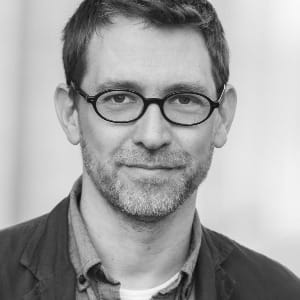
GREG PIERCE
Librettist (Shelburne, VT)
Seattle Opera Debut
Greg Pierce is a playwright, librettist, and lyricist based in New York City. He wrote the libretto for Fellow Travelers with composer Gregory Spears, which premiered at Cincinnati Opera, and the libretto for the Grammy-nominated opera The Hours with composer Kevin Puts, commissioned by The Metropolitan Opera and Opera Philadelphia. He has also written a variety of musicals and plays, including The Landing, Kid Victory, Slowgirl, Her Requiem, The Quarry, The Wind-Up Bird Chronicle, and Cardinal. Pierce frequently collaborates with singer and actor Mare Winningham, who has recorded many of his songs, and he has received fellowships from the Edward F. Albee Foundation, Yaddo, The Djerassi Institute, the New York Public Library, and the Baryshnikov Arts Center.

UP UNTIL NOW COLLECTIVE
Producer (New York, NY)
Up Until Now Collective is a group of artists and thought leaders co-founded by Kevin Newbury, Jecca Barry, and Brandon Kazen-Maddox to develop and produce inter-disciplinary work that helps build new structures for artistic creation across all art and media platforms. UUNC creates inclusive, expansive collaborative spaces that center stories of empathy, intimacy, and connection. Up Until Now Collective aims to affect as many people as it can in the most positive way possible.
Engagements: SOUL(SIGNS): Making Music Visible (PBS/WNET/All-Arts); Unholy Wars (Spoleto Festival USA, Opera Philadelphia O Festival); Georgia (Times Square Midnight Moment); SOUL(SIGNS): OPERA (Reel Abilities Film Festival); Global Citizen 2022 Pride Video Campaign; midair for some time (Center for Performance Research)
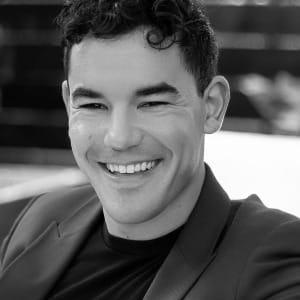
ANDY ACOSTA
Timothy Laughlin
Tenor (San Diego, CA)
Seattle Opera Debut: Nemorino, The Elixir of Love (’22)
Engagements: Tony, West Side Story (Teatro Lirico di Cagliari); Edgardo, Lucia di Lammermoor (Madison Opera); Jasper, Snowy Day (Houston Grand Opera); Herald, Don Carlos (The Metropolitan Opera); Timothy Laughlin, Fellow Travelers (Florida Grand Opera); Mr. Rodriguez, Awakenings (Opera Theatre of St. Louis)
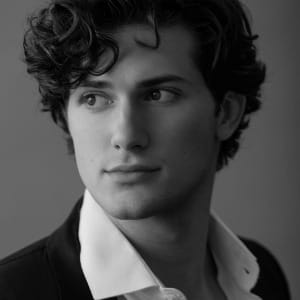
COLIN AIKINS
Timothy Laughlin
Tenor (Pittsburg, PA)
Seattle Opera Debut
Engagements: Prologue/Peter Quint, The Turn of the Screw, Gherardo, Gianni Schicchi, Jimmy O’Keefe, Later the Same Evening (Julliard Opera); Fenton, Falstaff (Aspen Opera Center); Alfredo, La traviata (City Lyric Opera); Trio Member, Trouble in Tahiti (Curtis Opera Theater)
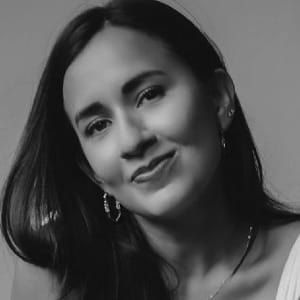
VANESSA BECERRA
Miss Lightfoot
Soprano (Fort Worth, TX)
Previously at Seattle Opera: Mabel, The Pirates of Penzance (’25)
Engagements: Nuria, Ainadamar (LA Opera); Maria Celeste/Eos, Galileo Galilei (Opera Theatre of St. Louis); Norina, Don Pasquale (Opera Omaha); Adina, The Elixir of Love (Minnesota Opera); Zerlina, Don Giovanni (Arizona Opera); Violetta, La traviata (Berkshire Opera Festival)
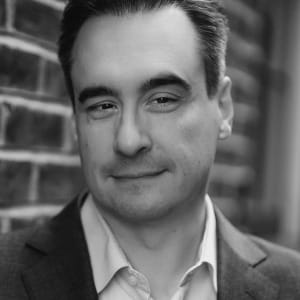
MARCUS DELOACH
Senator Joseph McCarthy/Estonian Frank/Interrogator
Baritone (Andover, MA)
Seattle Opera Debut: Schaunard, La bohème (’07)
Engagements: Don Giovanni, Don Giovanni (Syracuse Opera); Sam, Trouble in Tahiti (Boston Lyric Opera); David, L’amico Fritz (Teatro Grattacielo); Minister, Breaking the Waves (Opera Philadelphia); Senator Joseph McCarthy/Estonian Frank/Interrogator, Fellow Travelers (Cincinnati Opera); Joseph De Rocher, Dead Man Walking (Opera Ireland)
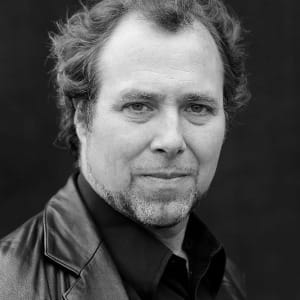
THOMAS C. HASE
Lighting Designer (Madison, WI)
Seattle Opera Debut: The Barber of Seville (’00)
Previously at Seattle Opera: The Elixir of Love (’22) Rigoletto (’14); Il trovatore (’10)
Engagements: Fiddler on the Roof (The Atlanta Opera, Alliance Theatre); Don Giovanni (Opéra de Montréal); Lalovavi (Cincinnati Opera); Falstaff (Chicago Opera Theater); The Marriage of Figaro (The Atlanta Opera); Turandot (Tampere-talo)
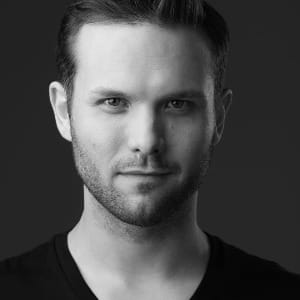
JOSEPH LATTANZI
Hawkins Fuller
Baritone (Atlanta, GA)
Seattle Opera Young Artist 2011/12
Seattle Opera Debut: Moralès, Carmen (’11)
Previously at Seattle Opera: Steward, Flight (’21); Kuligin, Katya Kabanova (’17); Assan, The Consul (’14)
Engagements: Paul Jobs, The (R)evolution of Steve Jobs (San Francisco Opera); Belcore, The Elixir of Love (Minnesota Opera); Count Almaviva, The Marriage of Figaro (Cincinnati Opera, Pensacola Opera); Hawkins Fuller, Fellow Travelers (Arizona Opera, Des Moines Metro Opera); Don Giovanni, Don Giovanni (Arizona Opera, Jacksonville Symphony); Silvio, Pagliacci (The Atlanta Opera, Sacramento Philharmonic & Opera)
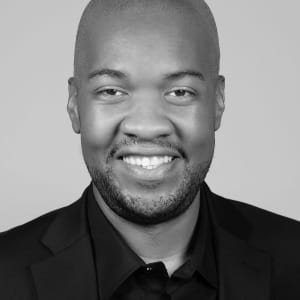
RANDELL MCGEE
Tommy McIntyre
Baritone (St. Louis, MO)
Seattle Opera Debut
Engagements: Sergeant, La bohème, Lackey 2, Der Rosenkavalier (Santa Fe Opera); Escamillo, The Tragedy of Carmen (Tulsa Opera); Soloist, Messiah and King Melchior, Amahl and the Night Visitors (Dayton Opera); Imperial Commissioner, Madama Butterfly (Cincinnati Opera)
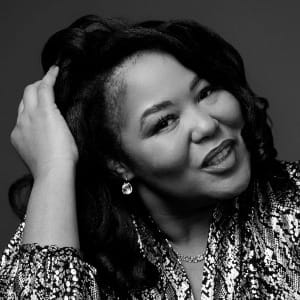
AMBER R. MONROE
Mary Johnson
Soprano (Youngstown, OH)
Seattle Opera Debut
Engagements: Aida, Aida (Theater St. Gallen, Washington National Opera); Serena, Porgy and Bess (Washington National Opera); Lucienne, Die tote Stadt (Boston Symphony Orchestra); Soloist, Verdi Requiem (National Philharmonic); Nedda, Pagliacci (Glimmerglass Festival); High Priestess, Aida (Baltimore Symphony Orchestra)
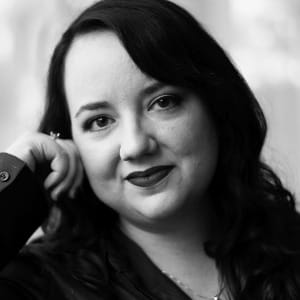
ASHLEE NAEGLE
Hair and Makeup Manager & Designer (Las Vegas, NV)
Seattle Opera Debut: Hair and Makeup Intern, Giulio Cesare (’07)
Ashlee Naegle made a name for herself early on in her career by mastering the dying art of wig building. She created and designed for several companies around town until the Seattle Opera created an in-house Hair and Makeup Designer position for her in 2017. During her time as the in-house Hair and Makeup Designer, she has built a sizable wig collection, built a department, and set high standards for wigs, hair and makeup. With each production, her designs are custom built for the performers and their characters to create a believable façade for the audience as well as complementing the costumes and production as a whole.
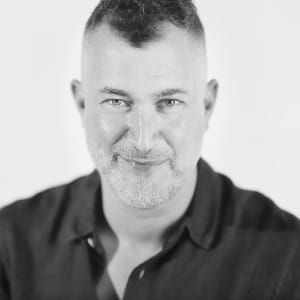
KEVIN NEWBURY
Stage Director (Auburn, ME)
Seattle Opera Debut: Mary Stuart (’16)
Previously at Seattle Opera: The (R)evolution of Steve Jobs (’19)
Engagements: Castor & Patience (Cincinnati Opera); The Righteous (Santa Fe Opera); SOUL(SIGNS): Making Music Visible (PBS); Fellow Travelers (National Tour); Creative Director, Liz Phair GUYVILLE Tour; Co-Founder, Up Until Now Collective
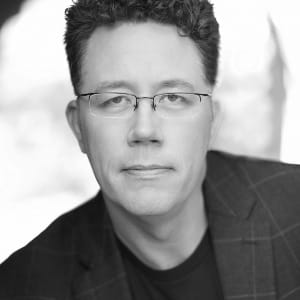
STEVEN OSGOOD
Conductor (Ossining, NY)
Seattle Opera Debut
Engagements: General and Artistic Director (Chautauqua Opera Company); Conductor, El último sueño de Frida y Diego, Grounded (The Metropolitan Opera); Amahl and the Night Visitors (Lincoln Center Theater); The Rising World (Seoul Arts Center); La bohème (Arizona Opera)
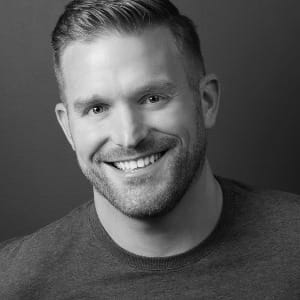
JARRETT OTT
Hawkins Fuller
Baritone (Pen Argyle, PA)
Seattle Opera Debut
Engagements: Samson, Samson (Festival d’Aix en Provence, Opéra Comique); Colonel Álvaro, The Exterminating Angel (Opéra national de Paris); Agrippa, Antony and Cleopatra (The Metropolitan Opera); Aeneas, Dido and Aeneas (Grand Théâtre de Genève); Sharpless, Madama Butterfly (Santa Fe Opera); Count Almaviva, The Marriage of Figaro (Teatro Regio di Torino)
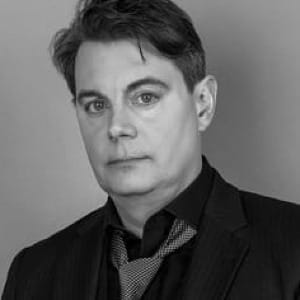
KYLE PFORTMILLER
Senator Charles Potter/General Arlie/Bartender
Bass-baritone (Elgin, IL)
Seattle Opera Debut
Engagements: Marchese d’Obigny, La traviata, Brian’s Father, Two Boys (The Metropolitan Opera); Mr. XE, Angel’s Bone (Prototype Festival, Beijing Music Festival); Music Master, Ariadne auf Naxos (Arizona Opera); Silvio, Pagliacci (Dutch National Opera & Ballet); Figaro, The Barber of Seville (Florida Grand Opera)
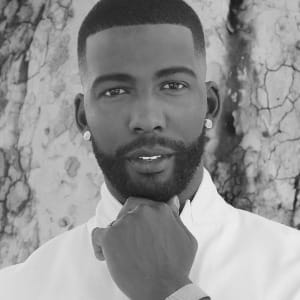
DEVARIO SIMMONS
Costume Designer (Greenville, SC)
Seattle Opera Debut
Engagements: The Righteous (Santa Fe Opera); Table 17 (Geffen Playhouse)
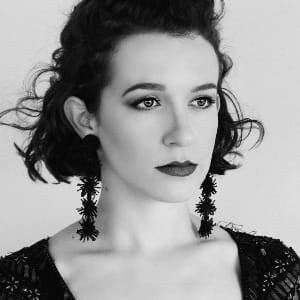
ELISA SUNSHINE
Lucy
Soprano (San Clemente, CA)
Seattle Opera Debut
Engagements: Annina, La traviata (Santa Fe Opera, San Francisco Opera); Soeur Anne de la Croix, Dialogues des Carmélites and Flower Maiden/Esquire, Parsifal (San Francisco Opera); Iris, Semele (The Atlanta Opera); Juliette, Die tote Stadt (Boston Symphony Orchestra, Boston Lyric Opera)

VITA TZYKUN
Scenic Designer (Odesa, Ukraine)
Seattle Opera Debut: Semele (’15)
Previously at Seattle Opera: The (R)evolution of Steve Jobs (’19)
Engagements: Writer, Director, and Production Designer, Taming the Lightning and Refuge (GLMMR); Director and Set & Projection Designer, La bohème and Rent (The Atlanta Opera); Costume Designer, Fiddler on the Roof (Alliance Theater & The Atlanta Opera); The Cunning Little Vixen (Des Moines Metro Opera); Scenic Designer, The (R)evolution of Steve Jobs (Finnish National Opera)
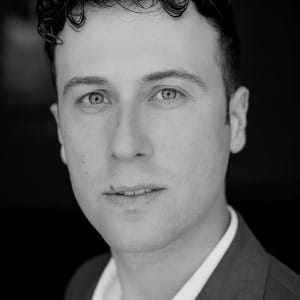
JEREMY WEISS
Senator Potter’s Assistant/Bookseller/Priest/Technician/Party Guest
Baritone (Charlottesville, VA)
Seattle Opera Debut
Engagements: Harry Easter, Street Scene (Opéra national de Paris); Manuel, La vida breve (Opéra-Théâtre Eurometropole de Metz); Himself, Infinitesimal (Pure.Art Circle); Schaunard, La bohème (Charlottesville Opera); Street Singer, Mass (Ravinia Festival, Chicago Symphony Orchestra); Lifeguard, The Good Swimmer (Brooklyn Academy of Music)
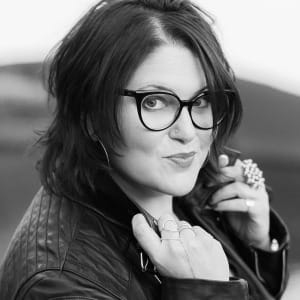
SARA E. WIDZER
Associate Director & Intimacy Director (Los Angeles, CA)
Seattle Opera Debut
Engagements: Resident Intimacy Director, LA Opera; Intimacy Director, La traviata (San Diego Opera), Rodrigo (Opera UCLA), La bohème (Washington National Opera); Stage Director and Intimacy Director, t o u c h (Opera Birmingham), Juana (Opera UCLA); Director, The Marriage of Figaro, Semele (Opera Santa Barbara), Proving Up (Boulder Opera), Carmen (Opera Orlando)
Orchestra
Violin I
Helen Kim, Concertmaster
Andy Liang, Assistant Concertmaster
Jacqueline Audas
Jennifer Bai
Ji Yeon Lee
Mikhail Shmidt
Jeannie Wells Yablonsky
Yesol Im
Violin II
Elisa Barston, Principal
Aaron Li, Assistant Principal
Brittany Breeden
Stephen Bryant
Seunghoon Lee
Andrew Yeung
Viola
Katie Liu, Principal
Wesley Dyring, Assistant Principal
Daniel Stone
Kayleigh Miller
Marta Lambert
Laura Renz
Cello
Efe Baltacigil, Principal
Eric Han, Assistant Principal
Vivian Gu
Nathan Cottrell
Double Bass
Joseph Kaufman, Principal
Travis Gore, Assistant Principal
Flute
Jeffrey Barker, Principal
Oboe
Dan Williams, Principal
Clarinet
Eric Jacobs, Principal
Trombone
Ko-ichiro Yamamoto, Principal
Eden Garza
Piano
Jay Rozendaal, Principal
Personnel Manager
Constance Aguocha
Assistant Personnel Manager
Keith Higgins
Rotating members of the string section are listed alphabetically.
Board of Directors
Chair
Maryanne Tagney
President
Jonathan Rosoff
Executive Vice Presidents
Stella Choi-Ray
Joshua Rodriguez
Secretary
Toby Bright
Treasurer
Ellen Evans
Chair Emeritus
John F. Nesholm
Immediate Past President
Lesley Chapin Wyckoff
Vice Presidents
Jason Bergevin
Brenda Bruns, M.D.
Alva Butcher
A. Richard Gemperle
Brian LaMacchia
Andrew Lewis
Aimee Mell
Wanda Nuxoll
Moya Vazquez
Directors
Willie C. Aikens
Evan Bennett
John Bozeat
Milkana Brace
Sue Buske
Ghaddra González Castillo
Lucas Fletcher
Robert Fries
Stephen Hilbert
Deborah Horne
Ron Hosogi
Gary Houlahan
Byron Joyner, M.D.
Maritta Ko
Nate Lee
Brian Marks
Louise Miller
Shana Moffatt
Steve Phelps
Cynthia Sprenger
Michael Theisen, M.D.
Russell F. Tousley
Judy Tsou
Janell F. Turner
Raymond Tymas-Jones, Ph.D.
Suzy Mygatt Wakefield, Ph.D.
Joan S. Watjen
Stephen Whyte
Representatives to the Board
Rachel Curry
BRAVO!
Kipras Mažeika, Eric Jacobs
The Seattle Symphony and Opera Players’ Association
Korland Simmons
Seattle Opera Chorus
Patricia Pavia
Seattle Opera Guild
Bruce Warshaw
IATSE Local 15
Honorary Lifetime Board Members
Bruce R. McCaw
William Weyerhaeuser
Past Presidents Council
Brian Marks
John F. Nesholm
Steve Phelps
Maryanne Tagney
Russell F. Tousley
William Weyerhaeuser
Seattle Opera Foundation
Steve Phelps, President
Milkana Brace
James D. Cullen
Ellen Evans
Robyn Grad
Susanna Morgan
Anne M. Redman
Joshua Rodriguez
John Sullivan
Moya Vazquez
Advisory Board
Co- Chairs:
Kim Anderson
Diana Gale
Linda Allen
John A. Bates
Don Brown
Dr. Gregory Chan
Fernando Encinar
Leslie Giblett
Victoria Ivarsson
Rhona Kwiram
Donna Leon
Michael Mael
Lynn Manley
Esther Neiditsch
Rosemary Peterson
Duane Schuler
Matthew Segal
Stephen A. Sprenger
Barbara Stephanus
Jim Uhlir
Scott W. Wyatt
Letters
From the General & Artistic Director
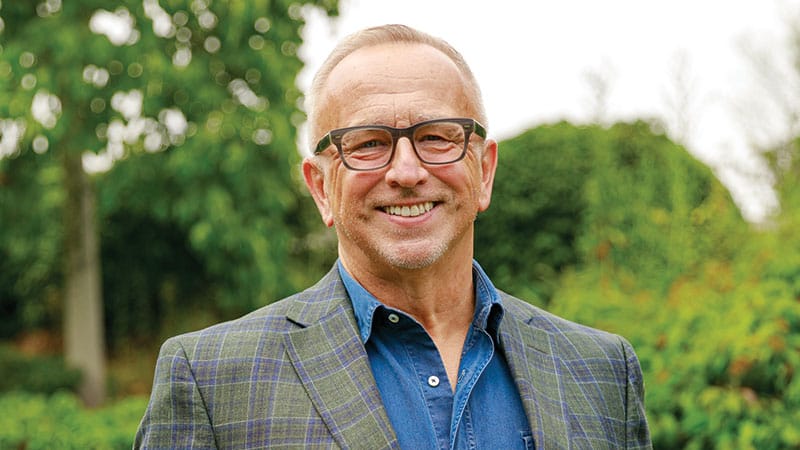
Welcome back to McCaw Hall for Seattle Opera’s third production of the 2025/26 season. I am thrilled to present Fellow Travelers to Seattle audiences for the very first time. It’s been staged to great acclaim from coast to coast since its premiere ten years ago, winning over audiences with its harrowing and passionate story and glorious music. This production marks the first time we’ve presented an opera with openly gay subject matter on the main stage. So how did this come to be?
As a proud community-facing opera company, Seattle Opera has championed and presented several new (and newish) titles in recent seasons, among them A Thousand Splendid Suns, X: The Life and Times of Malcolm X, and Jubilee. We aim to be truly “community facing” and to tell stories that reflect our entire community. Consider Fellow Travelers as another strong step in this direction.
Seattle is a wonderfully diverse city with the fifth-largest LGBTQ+ community in the country that supports the country’s largest (if not the world’s largest) Gay Chamber of Commerce, the Greater Seattle Business Association. Whether you use the terms Gay, LGBTQ+, or Queer, one thing is certain: Seattle’s gay community is very active, very vibrant, very visible, and I am proud to be a part of it.
We don’t present new titles based on their potential community impact or political resonance. These operas must be good! And Fellow Travelers is one that stands shoulder to shoulder with any of the most successful operas of the last fifty or so years. In my thirty-plus years in this business, nothing has given me greater joy than when audiences embrace new works. Indeed, nothing thrills me more than when people are swept away by a new narrative and ask for more.
Seattle Opera will always present the classics, trust me, and we will occasionally throw in unexpected and underperformed works (Daphne, anyone?). But at the same time, I will support modern composers and commit to offering as many of the best new works out there, including Fellow Travelers and others that have enjoyed recent acclaim.
I’d like to thank you for your great support of Seattle Opera. We simply couldn’t do it without your investment in the work we present at McCaw Hall, our extensive youth programs, and our community outreach initiatives. My hope is that the return on your investment is enjoying performances, watching our audiences grow, and learning more about the young lives we touch in the greater Seattle community.
Please enjoy Fellow Travelers and thank you for being here!
James Robinson
General and Artistic Director
From the President
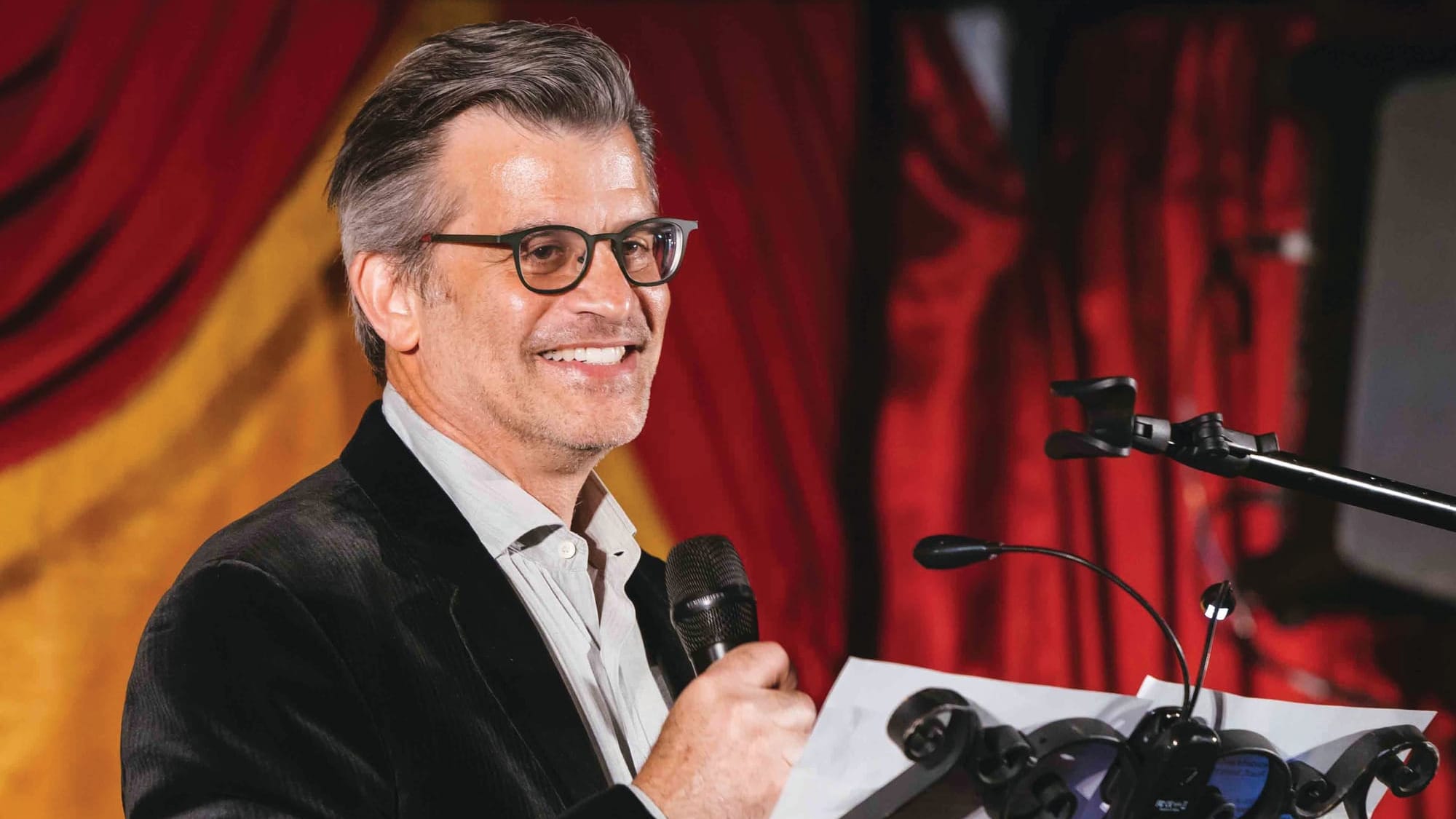
Welcome to Seattle Opera’s premiere of Fellow Travelers, one of the most performed and widely acclaimed new operas of recent years. It is our honor to launch the 10th-anniversary tour of this remarkable work, inspired by Thomas Mallon’s novel about a secret love affair during the 1950s Lavender Scare. Following our run at McCaw Hall, this timely and important production moves to Portland Opera, San Diego Opera, New York’s Glimmerglass Festival, and other opera venues across the country.
Opera has always relied on new compositions and bold storytelling. It’s uncanny to think that Puccini’s Tosca, Wagner’s Tristan und Isolde, and Verdi’s Rigoletto—works we now consider timeless classics—were once performed for the very first time. I like to believe that Fellow Travelers will also be regarded as a classic in the not-too-distant future.
This production is part of the broader artistic version and collection of new masterpieces brought to us by James Robinson, our General and Artistic Director, which includes El último sueño de Frida y Diego (The Last Dream of Frida and Diego) premiering in our 2026/27 season. This stunning new opera by composer and Guggenheim Fellow Gabriela Lena Frank and Pulitzer Prize-winning playwright Nilo Cruz explores the passionate and complex relationship between painter Frida Kahlo and muralist Diego Rivera. The collection also includes The Wedding Banquet, a comic opera co-commissioned with The Metropolitan Opera, featuring music by award-winning composer Huang Ruo, coming to Seattle Opera in a future season.
James is a luminary in the field, known for developing and staging contemporary works, and for his ability to reimagine timeless classics, and we are so fortunate to have him here at Seattle Opera!
In addition to the groundbreaking Frida y Diego, the upcoming season features a newly envisioned La bohème set in 1920s Paris; a new-to-Seattle production of Strauss’s Salome, an opera of biblical proportions; and a concert performance of Delibes’s Lakmé, featuring the beloved “Flower Duet” and dazzling “Bell Song.” We’re also thrilled to present a special recital by mezzo-soprano Jamie Barton who, according to BroadwayWorld, “is the g*ddamned diva opera deserves.”
Visit our website to explore the full season, and we hope you’ll consider subscribing. Creating opera—both new works and enduring classics—requires tremendous resources, and your support is vital. As you consider the new season, I hope you will also think about contributing to Seattle Opera. Donations and estate gifts of all sizes fuel our work at McCaw Hall, in schools, and throughout the state. Your generosity sustains us through the years and provides the foundation on which we build spectacular performances, educate young people, and enrich the lives of our community.
Once again, welcome to Fellow Travelers, a deeply intimate story set during one of the most tumultuous periods in our nation’s history.
Sincerely,
Jonathan Rosoff
President, Seattle Opera Board of Directors
From the Author Thomas Mallon
A decade ago, as Fellow Travelers got ready for its world premiere, I told Opera News that the novel of mine on which it was based was “the only book I can remember literally pushing away from myself,” as I was writing it in the mid-2000s. There came a night when the pain of the material—some of it obliquely autobiographical, displaced through time—seemed more than I could stand. Years would pass before I heard the soft ostinato with which Gregory Spears’s opera begins, but when I did, I felt the pulse of the music pushing me toward something I had still not fully allowed myself to feel.
Since 2016, I’ve attended many Fellow Travelers productions, and I can honestly say that my emotional reaction to the opera—the product of Gregory Spears’s score, Greg Pierce’s witty libretto and Kevin Newbury’s uncannily inventive staging—remains undiminished with every performance.
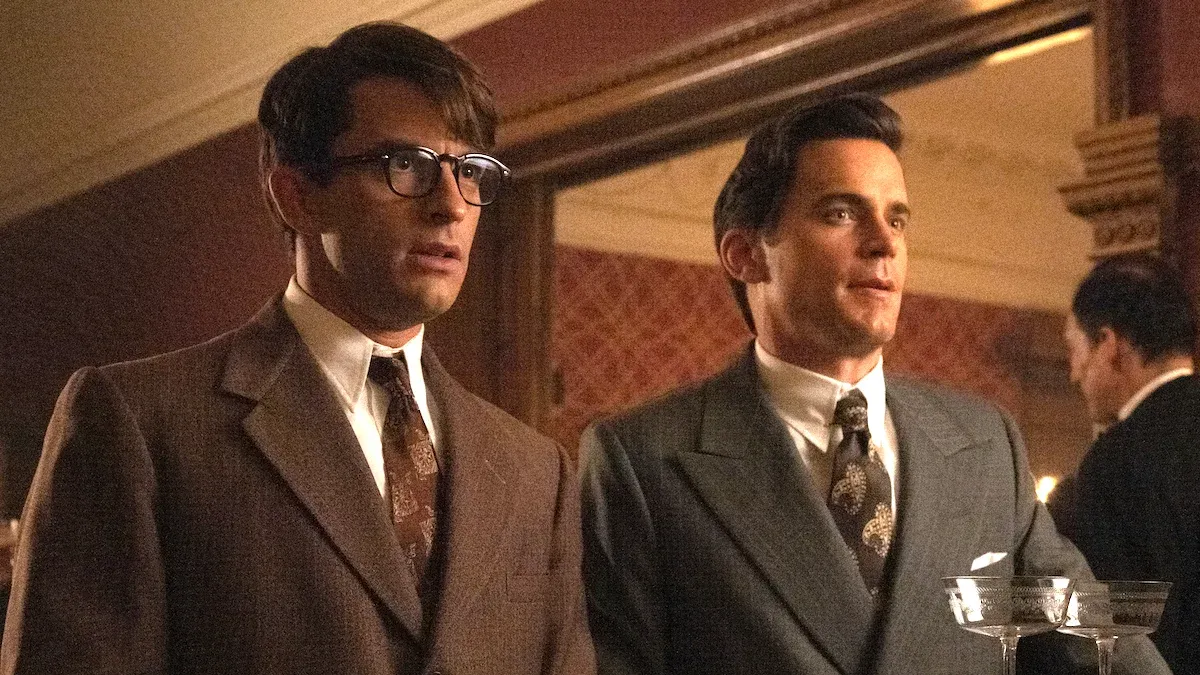
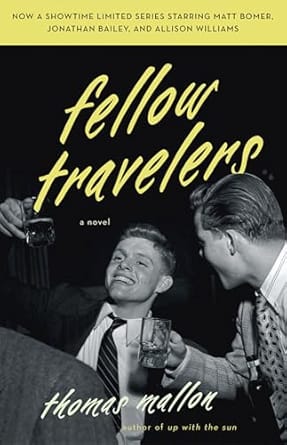
In 2023, the novel was made into an excellent television mini-series starring Matt Bomer and Jonathan Bailey. That project, which propelled the book’s characters beyond the chronological confines of the novel, was done with consistent intelligence and fervor, an adaptation of the “original material” (as Hollywood puts it) for which any novelist would feel pride and relief. But the opera made from Fellow Travelers has never felt like an adaptation so much as a distillation of everything essential in the book.
Kevin Newbury will sometimes remind the opera’s cast: “you’re singing for them.” The victims of the Lavender Scare were made to suffer deprivation and shame when they were purged from jobs in which they served their country. Having recently joined forces with the Lavender Names Project—which will keep working to identify and honor these individuals—the producers and performers of the opera continue to show what was lost by dismissing these people from what should have been an honorable, unified fight against the forces of tyranny in the world.
I remember how, when promoting the novel, I did a radio interview that included listener call-ins. One woman telephoned to impart the story of how a half century earlier she had worked in the US State Department and been baffled by the sudden disappearance of a male colleague. Some months later she saw him on the street and said, “There you are!” But when she approached the man to say hello and to find out what had happened, he gently pushed her away, saying, “You don’t want to be seen with me.” She realized that this gay man was gallantly trying to protect her from any harm that might come from being associated with him. That is how toxic a gay identity was in the capital of the United States in the 1950s.
The stories of Hawkins Fuller, Timothy Laughlin, and Mary Johnson, the main characters in Fellow Travelers, are told so that this nasty part of our history is not forgotten—or repeated. I am proud to be associated with Gregory Spears, Greg Pierce, and Kevin Newbury, as well as all the men and women who have sung this opera. Their talents have allowed this work to have the longevity that is so necessary to any effort at remembrance.
From the Composer & Librettist
By Gregory Spears and Greg Pierce
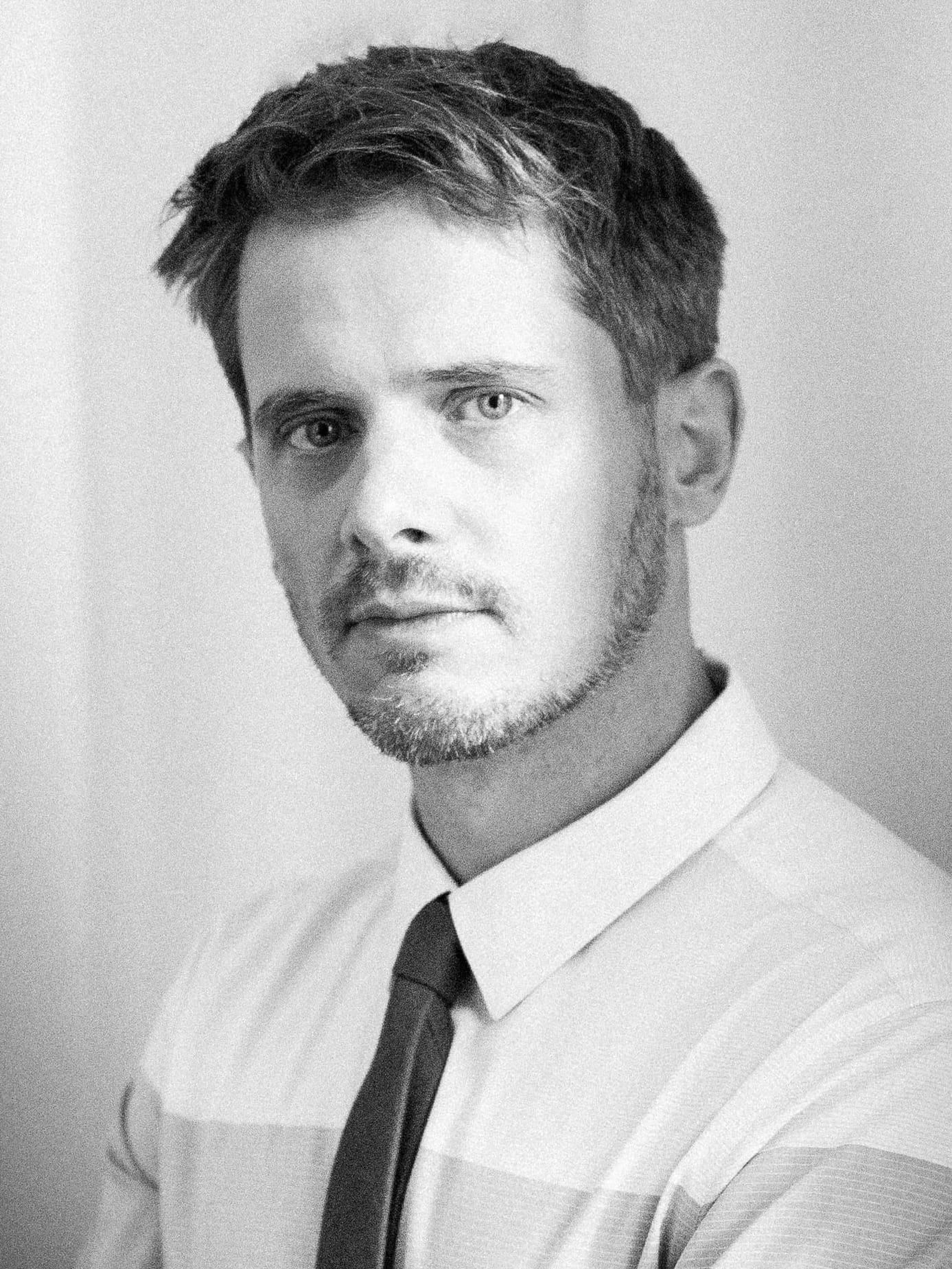
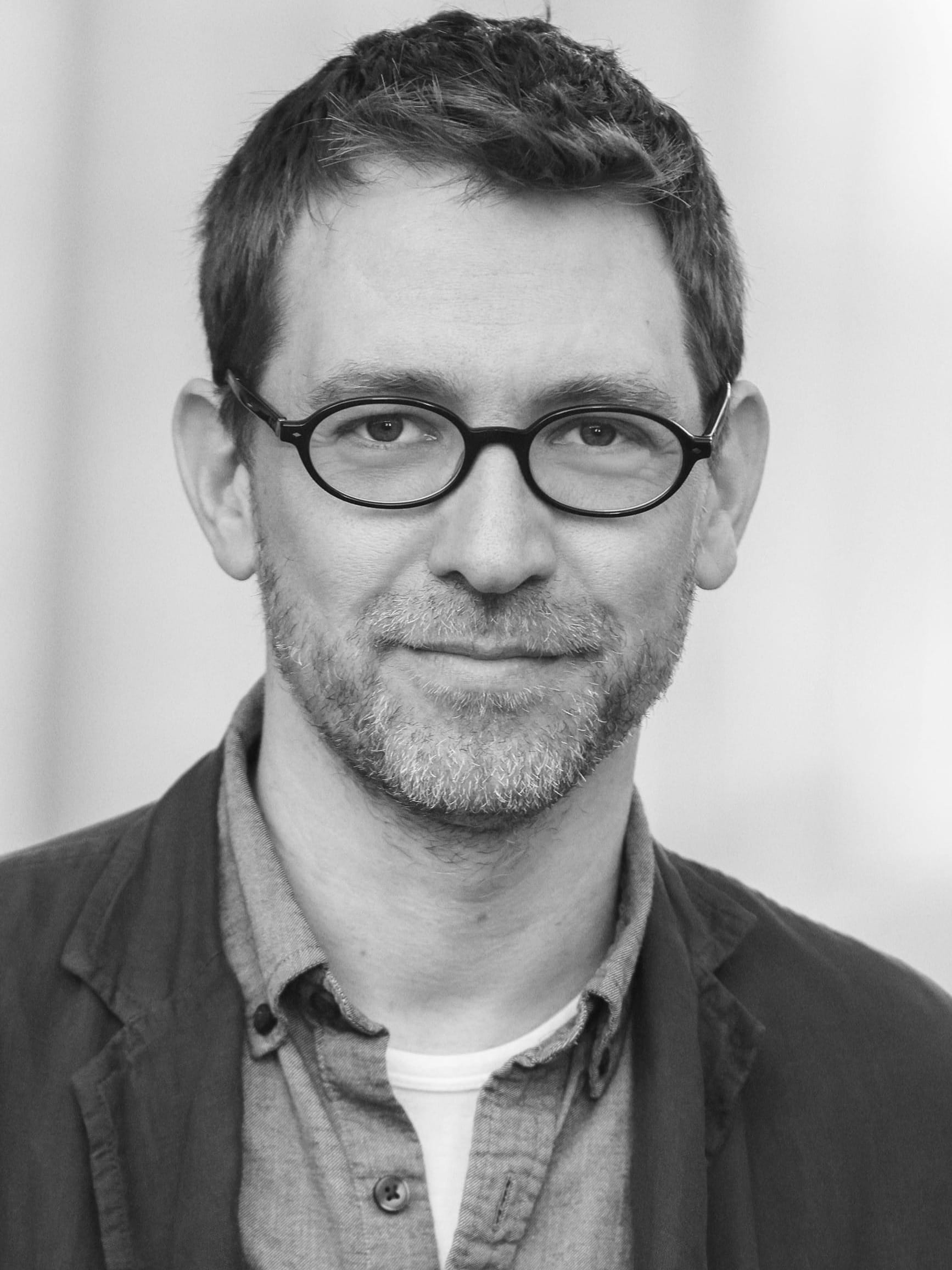
Gregory Spears, composer | Greg Pierce, librettist
Opera thrives on stories with rich subtext, where characters cannot fully express themselves in words. Both politicians and gay men and women in Washington, DC, in the 1950s lived in a world full of coded sensibility—a culture operating under the surface and in counterpoint with the rigid formality of 1950s mores. In our operatic adaptation of Thomas Mallon’s novel Fellow Travelers, the world of backroom dealings underpinning DC’s political life becomes a hazy reflection of the romantic relationship between US State Department employee Hawkins Fuller and a young reporter, Timothy Laughlin. In both the political world of the McCarthy Era and the private world of Hawk and Tim, dialogue could only tell part of the story. The musical language for Fellow Travelers would need to foreground the undercurrent of clandestine machinations alongside the love and forbidden longing churning under the surface of the words.
In Tim and Hawk’s public interactions, love cannot simply “speak” its name. In the opening scene, we witness a conversation between both men on a park bench in Dupont Circle. To most 1950s bystanders, the conversation would seem unremarkable. To Tim it is a pick-up, filled with danger and anticipation. It is also, for Tim, a sexual awakening. The music embodies both the excitement and the surface ordinariness of the exchange, a subtle tension familiar to anyone living in the closet. From this starting point, we looked for ways to express the innuendo-driven world of the couple while maintaining a relatively cool musical surface, reproducing in the other scenes the layered experience of the original park bench meeting. The score does this by blending two disparate styles: American minimalism and the courtly, melismatic singing style of medieval troubadours. Throughout the piece, minimalist passages represent the hum of office work—secretaries typing, interns rushing about—and McCarthyism’s political machine, ready to crush. The florid troubadour-like melodies, evocative of courtly longing, represent the passionate inner life of the lovers. These two styles are often present at the same time, generating musical tension and propelling the opera toward its tragic conclusion.
In an era where living “in the closet” is becoming increasingly rare, it seems important to put characters like Tim and Hawk onstage—not just as historical victims struggling against homophobia, but as ordinary people fighting through life in an era where a public expression of love could threaten to destroy one’s world. Our hope is that the nuanced machinery of opera might play some small part reminding us of this history, while also preserving onstage the dangerous counterpoint that so often defined the gay experience in the mid-20th century.
Community, Activism, & Opera: A Decade of Fellow Travelers
By Kevin Newbury
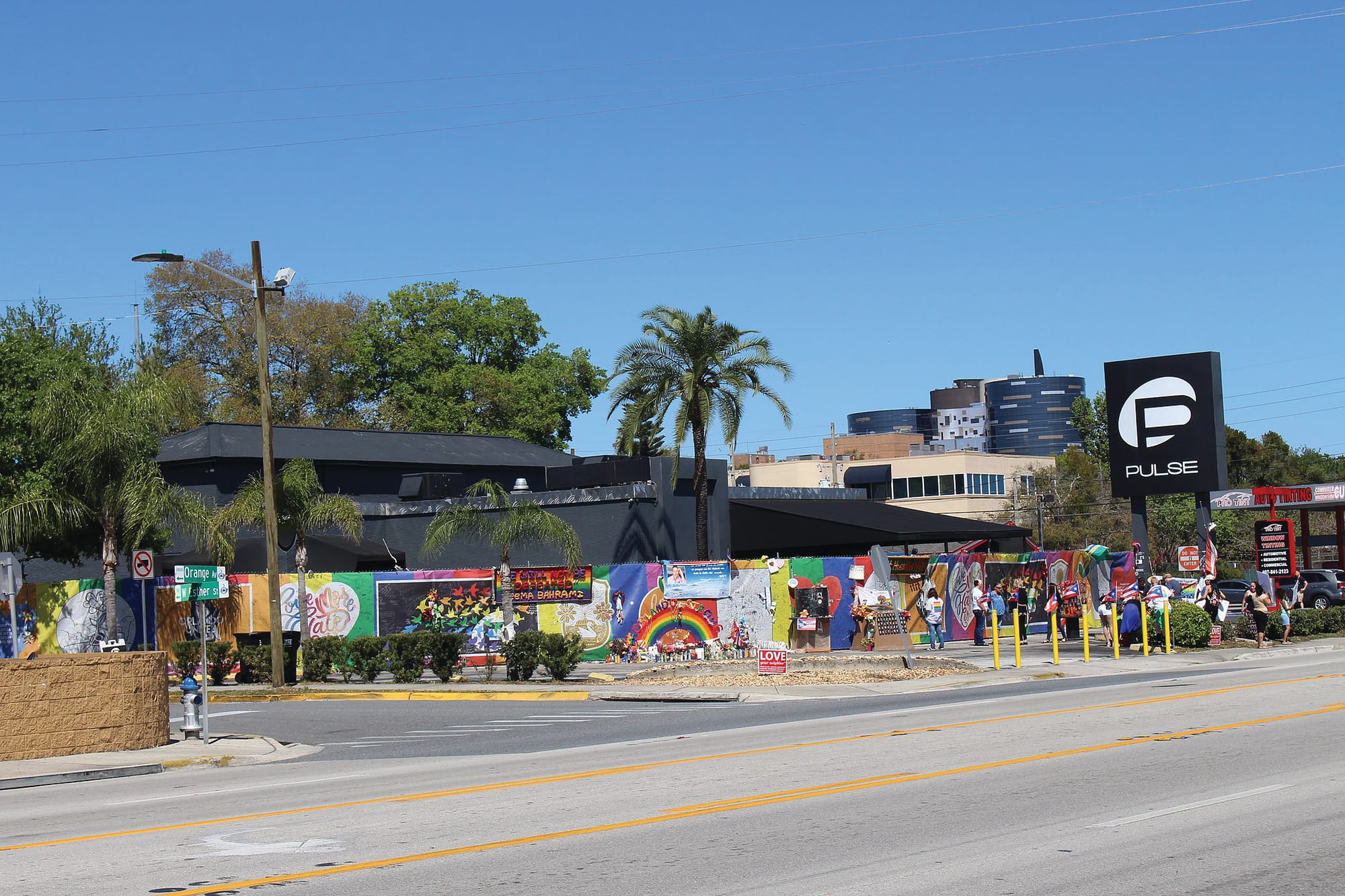
On June 12, 2016, forty-nine LGBTQ+ people were killed at the Pulse Nightclub in Orlando, FL. That same night, I was enjoying a drag show at Oz, a Queer nightclub in downtown Cincinnati, with a dozen members of the Fellow Travelers cast and crew, which was scheduled to premiere six days later. The next morning, as news of the tragedy spread through the Cincinnati Opera company, we felt a sense of collective mourning and reflection: What if some of us hadn’t survived our trip to Oz the previous night? It was a poignant moment in the early history of this opera.
But I should back up first. In 2007, my dear friend, producer G. Sterling Zinsmeyer, handed me a copy of Tom Mallon’s brand-new novel Fellow Travelers, proclaiming: “This must be an opera, and you need to direct it.” I tore through the book and fell in love with the protagonists, Timothy and Hawkins, while learning about a painful chapter of LGBTQ+ history for the first time. Sterling was right. It needed to be an opera.
We got right to work, securing the rights from Tom and bringing on a brilliant writing team: composer Gregory Spears and librettist Greg Pierce. Cincinnati Opera offered to host a workshop of the opera in 2013 and, upon experiencing the finished work, the company offered to present the world premiere. Cincinnati Opera’s support of Fellow Travelers was unwavering and courageous, especially since Cincinnati was perhaps best known, at least in Queer circles, for the force with which it censored Robert Mapplethorpe’s “obscene” gay photographs in 1990. The thought of premiering an opera that featured two gay men singing an achingly beautiful love duet while simulating sex onstage felt like cosmic restitution.
Gay in Small Town Maine
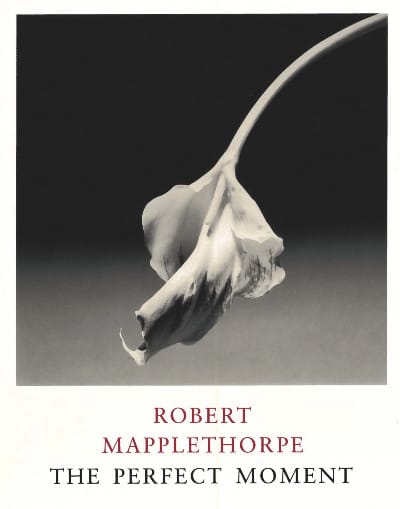
In 1996—my senior year of high school—I wrote a thesis on photographer Robert Mapplethorpe, the National Endowment for the Arts, obscenity laws, and Queer artmaking at the height of the AIDS crisis. Our assignment was to write about someone who had shaped culture. My first instinct was to write about Madonna, but my English teacher, Mrs. Ackerman, suggested that my knowledge of Madonna’s trajectory was, perhaps, already encyclopedic. Was there another subject that might really challenge me? While writing about Mapplethorpe and the 1990s culture wars, I was simultaneously terrified that I would die of AIDS, coming out of the closet, and grateful that the local public library in my hometown of Auburn, ME, had a copy of Mapplethorpe’s retrospective catalogue Perfect Moment, on the shelves—flowers, phalluses, and all. I must have renewed that book at least three times.
As a closeted teenager, I never could have imagined that I would forge a career directing LGBTQ+ stories, especially an opera. In the decade since our premiere, Fellow Travelers has had sixteen productions, from America’s biggest cities to her heartland. It’s become part of the operatic canon and served as a catalyst for connecting thousands of audience members from many disparate backgrounds, across many generations. Without fail, dozens of audience members congregate in the lobby after each performance, hugging, crying, and sharing their stories until the theater’s curfew.
A New Coming Out
The Fellow Travelers Project, a series of performances taking place over the next two years, is a sort of new coming out of this opera. It coincides with our nation’s semiquincentennial. And the opera has become a symbol of resistance to the moment we are in, as we see a dramatic rise in systemic attacks on the rights of LGBTQ+ people in the US and deliberate attempts to erase our history. Conservative federal and local governments are policing gender expression and free speech, abandoning HIV research, challenging the ban on conversion therapy, and hijacking our cultural institutions in Washington, DC.
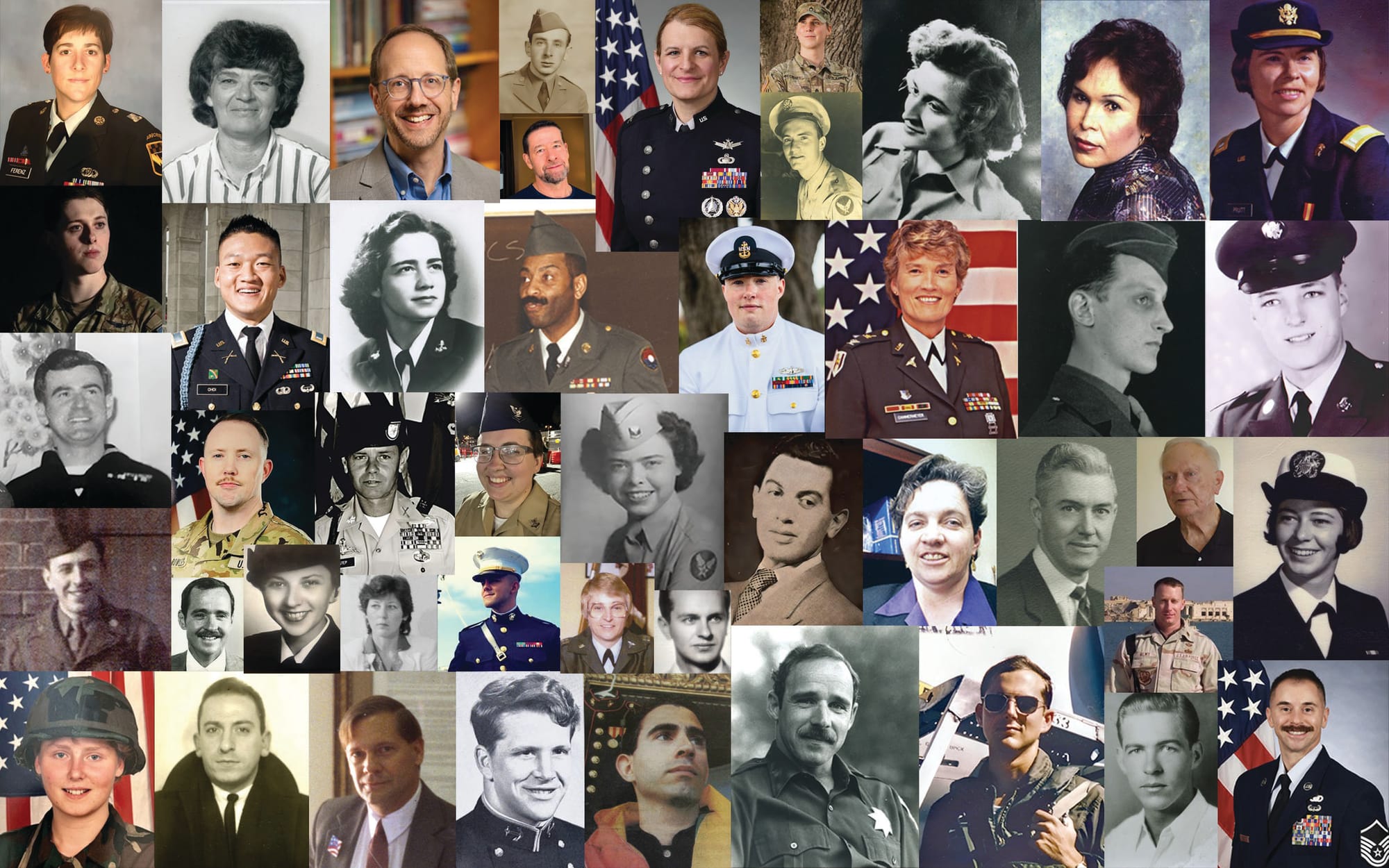
Alongside the national tour we are launching the Lavender Names Project, a collaboration with the new American LGBTQ+ Museum, which officially opens in New York City in fall 2027. The Lavender Names Project is a grassroots archival research/community outreach initiative, that will uncover and collect photos and stories of victims of the LGBTQ+ community who were systematically discriminated against, fired, and mistreated by federal and local governments, from the ban on gay soldiers serving in World War II, to the beginning of the “Lavender Scare” in 1953, to “Don’t Ask, Don’t Tell” in the 1990s, and all the way to today. The photos themselves are a part of an ever-growing visual archive that appears onstage at the end of each performance as a living memorial to the many queer people who suffered—and are suffering—the decades-long persecution. The collected names and photos will eventually find a home in the American LGBTQ+ Museum. We invite all audiences in Seattle to contribute to this archive leading up to and throughout the performances. For details go to page 30.
Despite our government’s efforts to erase LGBTQ+ history, our legacy is everywhere I look, and that legacy is a groundswell. More than ever, I feel driven to honor the generations of queer folks who came before us and I am also looking to them for guidance, for blueprints.
I recently unearthed my Mapplethorpe thesis in a filing box in my parents’ basement labeled “Kevin: High School.” Reading it for the first time in almost thirty years, the 1990s culture wars now feel like a mere harbinger of much worse things to come. Soon after reading the thesis, Florida officials, under the cover of night, painted over the rainbow crosswalk memorial honoring the Pulse nightclub victims in Orlando. But no one is going to erase us. And no one is going to erase the living, singing memorial that is the Fellow Travelers opera. We will be performing all over this country, our country, throughout next year and beyond, and I can’t think of a better city than Seattle to launch the next chapter in our Fellow Travelers story. Please find me in the lobby after the show to share your own story.
The Lavender Names Project
The Lavender Names Project is a collaboration between the American LGBTQ+ Museum and Up Until Now Collective created in tandem with the 10th Anniversary Tour of Fellow Travelers. A grassroots, national archival research/community outreach initiative, The Lavender Names Project collects photographs and stories of members of the LGBTQ+ community who faced systematic discrimination or were fired by federal and local governments in the United States, including the military, from the “Lavender Scare” in the 1950s, to “Don’t Ask, Don’t Tell” in the 1990s, to today. The photos are part of an ever-growing visual archive appearing on stage at the end of each Fellow Travelers performance as a living memorial to the many LGBTQ+ people who suffered this decades-long persecution.
How To Submit A Photograph
If you or someone in your family—including chosen family—have ever been fired from a federal or local government job, including the military, for being LGBTQ+, we invite you to share your story—or your loved one’s story—alongside a photograph that will be included in our archive and our onstage photo installation. You can submit your photograph here: americanlgbtqmuseum.org/lavender-names-project
The Lavender Scare
By David K. Johnson, PhD
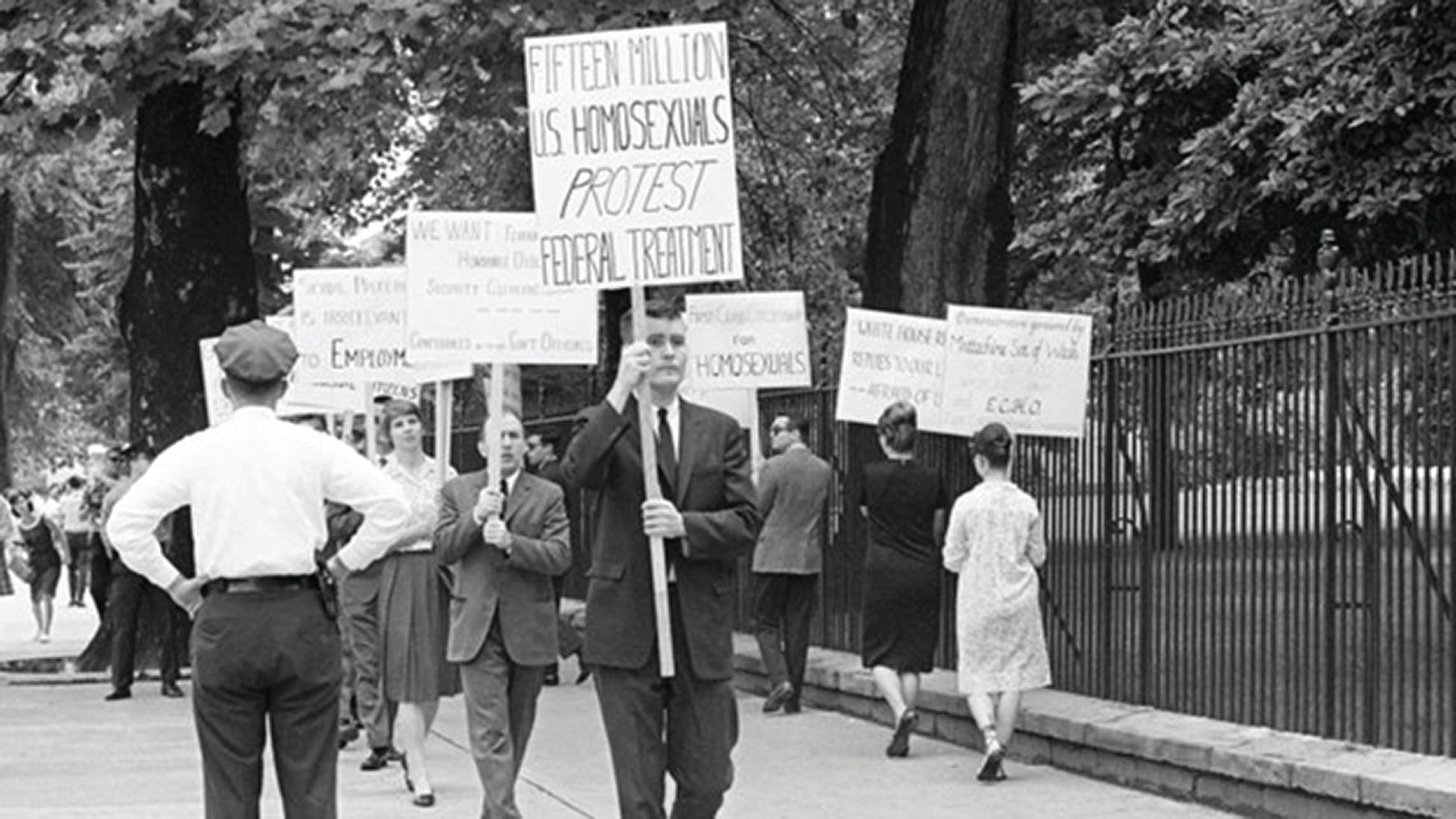
ABOVE: May 1965 picket by the Mattachine Society of Washington in front of the White House protesting federal mistreatment of “15 million U.S. homosexuals.”
In the 1950s, the United States was in the grip of the Cold War, a nuclear standoff with the Soviet Union. The struggle was seen by many not only as a military matter but also as a moral crusade against the threat “atheistic communism” posed to the values of the Judeo-Christian West. And homosexuality was at the center of the struggle.
We all know the story of Senator Joseph McCarthy’s charges that communist “Reds” like Alger Hiss had infiltrated the State Department and were passing secrets to the enemy. Few realize that McCarthy’s charges kept changing, and that several on his list of “security risks” in the State Department were not suspected communists but homosexuals.
According to aides in the Truman White House, it was these charges about “sex perverts” and “lavender lads” in high government positions that really alarmed the public. And when the State Department confirmed in 1950 that it had recently fired 91 homosexuals, this admission seemed to corroborate McCarthy’s otherwise groundless charges, soliciting a flood of mail thanking the Senator from Wisconsin for his fight exposing “sex depravity” in Washington. The Reverend Billy Graham, the most famous evangelical preacher of the post-war era, praised McCarthy for exposing “the pinks, the lavenders, and the reds.”
In the wake of McCarthy’s revelations, congressional committees held hearings on the question of homosexuals-in-government and whether they posed a danger. Military intelligence officials and local vice squad officers unanimously testified that gays and lesbians posed a threat to national security because they could easily be blackmailed. But officials offered no proof. They could not point to a single example of a gay American citizen who had betrayed classified information. Facts mattered less than pre-conceptions.
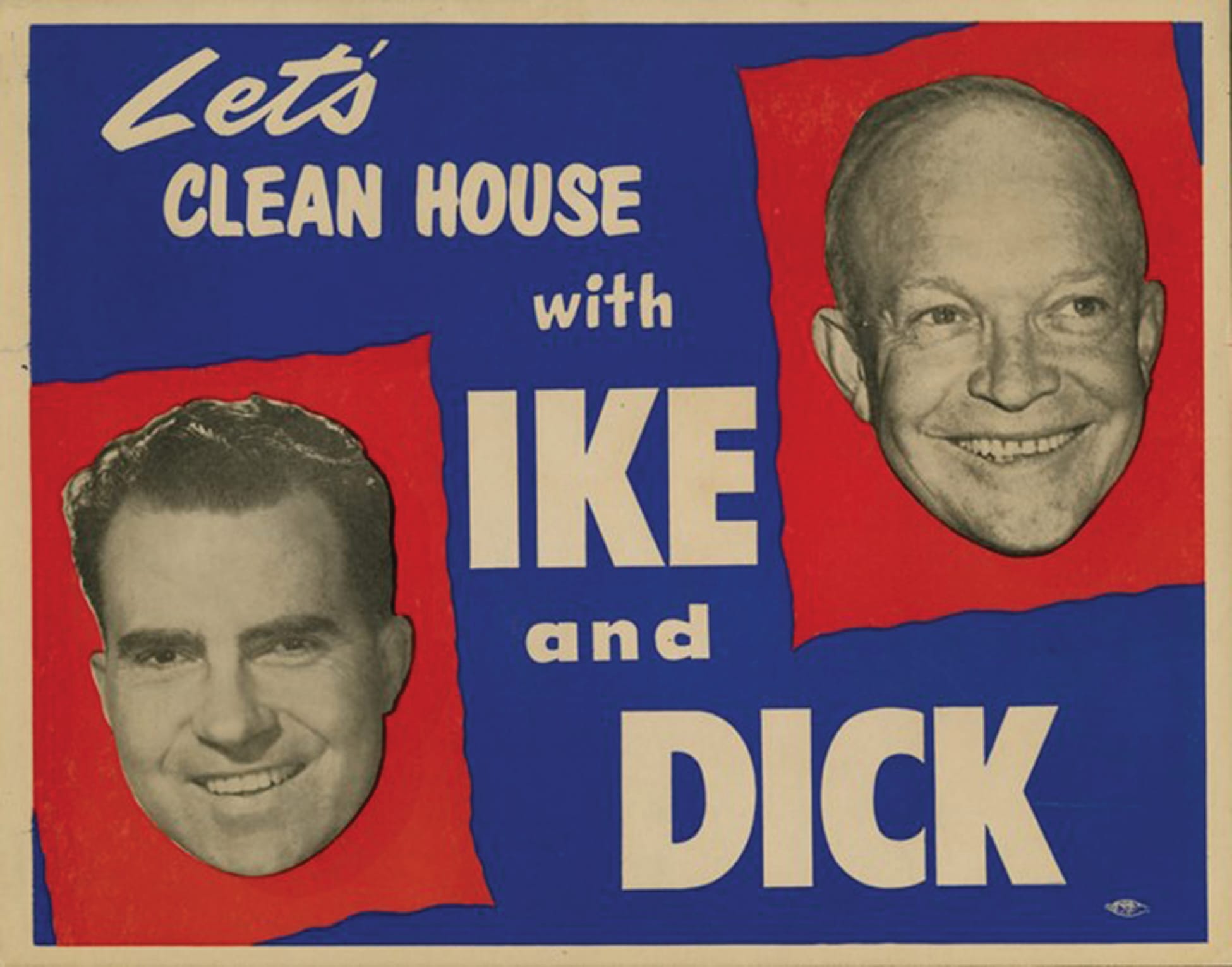
In January 1953 Republicans were swept into the White House with the slogan, “Let’s Clean House,” a not-so-subtle crusade to rid Washington of the communists, fellow-travelers, and homosexuals who, they argued, had accumulated there during the previous 20 years of Democratic control. One of President Eisenhower’s early acts was to replace Truman’s loyalty system with a much more aggressive security system. It specified that “sexual perversion” was grounds for termination. With executive order 10450, McCarthy’s fear-mongering had the force of law. It began a systematic effort by every agency in the federal government to find and remove all employees suspected of being gay or lesbian.
Under the Eisenhower security program, all government employees were subject to investigation for issues of character and suitability—any issue that might affect their vulnerability to blackmail. Security officials would interview employees’ friends, family, neighbors, and colleagues, looking for telltale signs. They focused on signs of gender non-conformity, such as odd choices of dress or gait. Associating only with members of the same sex or having friends who were gay was seen as evidence of homosexuality.
The surest way of proving homosexuality was an arrest record in a known gay cruising area. In Washington, DC, the National Park Service had set up a “Pervert Elimination Campaign” in Layfette Park, across the street from the White House, which for decades had been a notorious place for gay men to meet discreetly. Hundreds of men were brought in for questioning, their names and places of employment recorded, even if no arrests were made.
If suspicions were raised during these investigations, a government employee would be brought to an interrogation room, denied the right to an attorney, and grilled about their past behavior. Security officials would often begin with this question: “Information has come to our attention that you are a homosexual. What comment do you wish to make regarding this matter?” Officials would drop names of “known homosexuals” to establish guilt by association; ask suspects if they had frequented known gay hangouts; even ask about them about their latest sexual acts. Interrogators would pressure employees to name names.
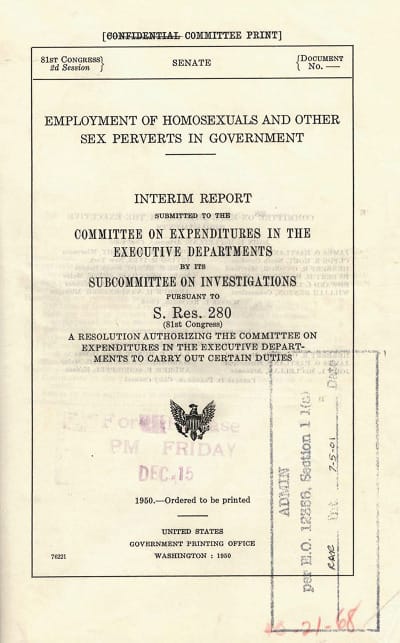
The State Department, where the scandal began, was particularly aggressive in ferreting out suspected homosexuals. It established a Miscellaneous M Unit to deal with “morals” issues, providing special training to investigators on administering polygraph examinations. They claimed eighty percent of homosexual interrogations ended in a confession. Seeing it as sport, they boasted “our batting average is now one a day.”
In what became known as the Lavender Scare, thousands of government employees lost their jobs. Some tried to hide, marrying friends of the opposite sex in “lavender marriages.” A few who experienced humiliating interrogations and the threat of exposure took their own lives.
Long outlasting the cold war, the Lavender Scare inspired the first LGBTQ+ pickets outside the White House in 1965. Legal challenges by a few courageous gay activists limited the policy, but the government sustained its investigations into homosexuals in national security positions until the presidency of Bill Clinton.
While the legal situation has changed, animus towards LGBTQ+ people remains, and fear-mongering in the style of Joseph McCarthy continues in new forms. Statements abound that drag queens are endangering children and transgender individuals in bathrooms pose threats to women.
Some claim that the US military is so pre-occupied with trans issues that it’s neglecting our national security, putting Americans in danger. As with McCarthy, there is no proof of any of this, yet it has already resulted in restrictive legislation at the state and local level, and a ban on transgender military service members. At least one FBI agent was recently fired for displaying a rainbow flag. Is another Lavender Scare brewing?
A Proud Place
Considered among Seattle’s best neighborhood books stores, Charlie’s is in the Fremont neighborhood, and offers a full spectrum of queer literature—from fiction and memoirs to children’s books and cook books and more. Visit charliesqueerbooks.com to learn more.
“The days that bring me the most joy are seeing customers adopt the space as their own. When people meet up with friends, bring visiting family, or go on first dates here. The dream is that our space creates perpetual queer energy for all.” —Charlie Hunt, Co-owner

Founded in the 1990s, Entre Hermanos provides health and wellness and other services to our Latino gay, lesbian, bisexual, transgender, and questioning community in a culturally appropriate environment through disease prevention, education, support services, advocacy, and community building. Visit entrehermanos.org to learn more.
“We’re a pillar for Latinos in Washington State. Started during the AIDS/HIV crisis to provide mutual care and support, today we work at the intersections of immigration, health care, housing, and LBGTQ Latino culture. A client’s release from a detention center or a positive health diagnosis or a successful court appearance are our best days.”—Edgar Longoria, Executive Director

The Greater Seattle Business Association is Washington state’s LGBTQ+ and allied chamber of commerce, representing small business, corporation, and nonprofit members who share the values of promoting equality and diversity in the workplace. Founded in 1981, GSBA is the largest of its kind in North America. Visit thegsba.org to learn more.
“GSBA is a connector and convener. We do our job best when we connect small and micro businesses with each other or corporations for economic opportunities. My biggest dream is that nonprofit organizations like ours do not need to exist because then we would have achieved our mission to have equity for LGBTQ+ people in their pursuit of economic and educational opportunities.” —Ilona Lohrey, President and CEO

Elevating the civil and human rights of twospirit, trans, and gender diverse (2STGD) communities is the focus of Gender Justice League through advocacy, direct services, and leadership development. Annually, the league presents Pride Seattle, a free annual festival celebrating Trans life. Visit transprideseattle.org to learn more.

Since 1974, Seattle Gay News (SGN) has been a source of news and information for the Pacific Northwest’s LGBTQ+ community. Printed editions can be found throughout the region along with digital versions. Visit sgn.org to learn more.

Hot lunches, game clubs, support services, and more fulfill GenPride’s mission of providing older LGBTQ+ adults with the power to live with dignity, security, and pride in a world that affirms their lives. Located in the heart of Seattle’s Capitol Hill neighborhood, GenPride offices are at Pride Place, an eight-story affordable apartment complex for older LGBTQ+ peoples. Visit genpride.org to learn more.
“Isolation is a serious problem among elderly citizens. King County has more than 36,000 LGBTQIA+ elders. Any reason we can bring people together and create a place of community is what drives our work. We want to make sure that every gay elder, their chosen family, and their care teams receives the support they need.”
—Jay Harris, Engagement and Development Director

Serving Alaska, Idaho, Montana, Oregon, and Washington, Pride Foundation fuels transformational movements to advance equity and justice for LGBTQ+ people in all communities across the Northwest through grantmaking, scholarships, and other programs. Visit pridefoundation.org to learn more.
“The foundation serves a wide variety of LGBTQ+ organizations located in communities across the Northwest, from large urban centers to small towns and rural areas. Our purpose is to invest in these groups through funding and beyond so they can do the important work of supporting their local LGBTQ+ communities.”—Katie Carter, CEO

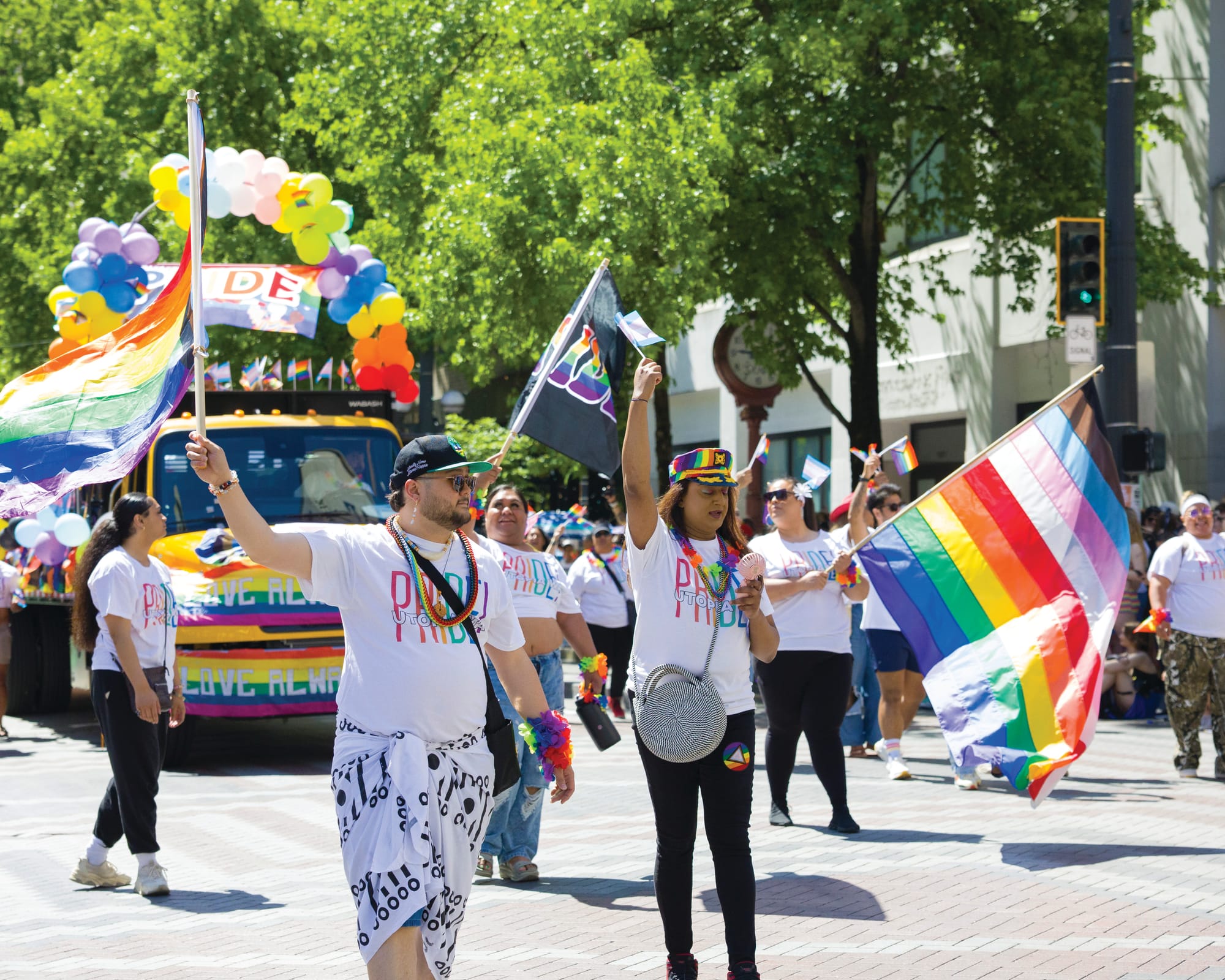
Seattle Out & Proud Foundation is the organization that brings together thousands of people for the annual Pride Parade, Seattle Pride in the Park, and other year-round community mixers, drag brunches, ballroom events, and more. Visit seattlepride.org to learn more.
Upcoming Events
AN IMMERSIVE SEMINAR: CARMEN
Tuesdays, April 7–May 19 (5 In-person Sessions)
The Opera Center
$150 Sliding Scale Fee (plus tax) or 1 Flex Pass Credit
Get to know the many sides of the audience-favorite and beloved opera, Georges Bizet’s Carmen, with fellow opera-goers and dramaturg Jonathan Dean. Plus, when you register for this seminar, you will automatically be included in a one-night-only lecture by conductor Ludovic Morlot about Bizet on May 5. Before the final week’s discussion, participants will attend Seattle Opera’s spring production of Carmen (not necessarily together). The class will consist of in-person meetings, one live opera performance, and reading, listening, and viewing assignments.
Please note: This class is intended for patrons who are already ticket holders or are planning to purchase tickets to our production of Carmen. A ticket to the performance is not included in the cost of the class.
seattleopera.org/carmenseminar
LUDOVIC MORLOT ON CARMEN
Tuesday, May 5, at 7:00 PM
The Opera Center
$40 Sliding-Scale Fee or 1 Flex Pass Credit
Dance to the music of Carmen with conductor Ludovic Morlot, who joins Seattle Opera Dramaturg Jonathan Dean for a lively conversation about Bizet’s bold and sensual drama. Morlot will offer a conductor’s-eye view of Bizet’s score, unpacking the rhythms, motifs, and blend of French, Spanish, Caribbean, and other musical influences that give it its seductive sense of place. Along the way, he’ll contextualize the Orientalist and exoticist strains that characterize much of Bizet’s music, and he’ll share the unique challenges—and pleasures—of conducting one of opera’s most beloved masterpieces.
seattleopera.org/morlot
MEET THE MEZZOS: J’NAI BRIDGES & SASHA COOK ON SINGING CARMEN
Thursday, April 16, at 7:00 PM
The Opera Center
Free with RSVP requested
Join the two leading ladies of Carmen as they discuss the joys and challenges of singing one of opera’s most famous roles. Audiences will have the special opportunity to hear from two of the brightest stars in opera today: J’Nai Bridges, a seasoned Carmen interpreter and Tacoma native, and Sasha Cooke, who will be tackling the role for the first time.
Seattle Opera donors at the Supporter ($500+) level and above: you are invited to a post-talk reception immediately following the event. Simply RSVP for the Opera Talk to be added to the reception list. Refreshments will be provided.
seattleopera.org/mezzos
Print Edition