In This Program
- Welcome
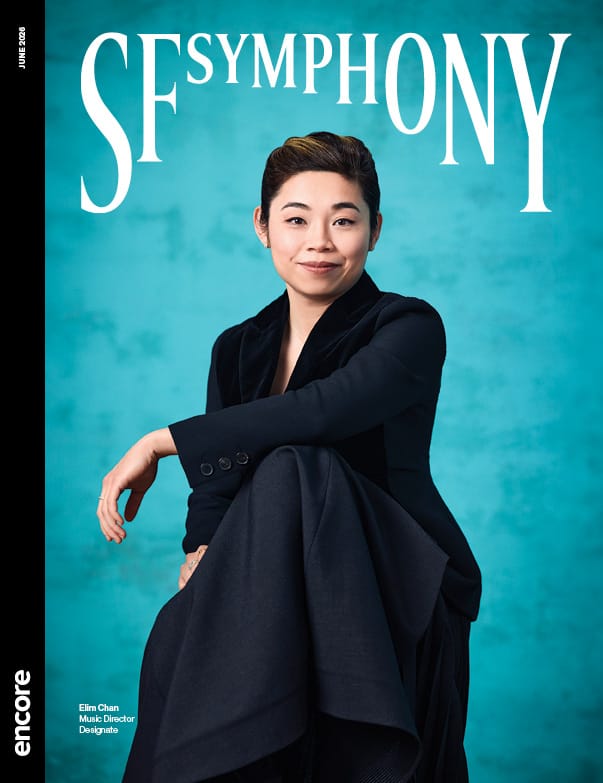
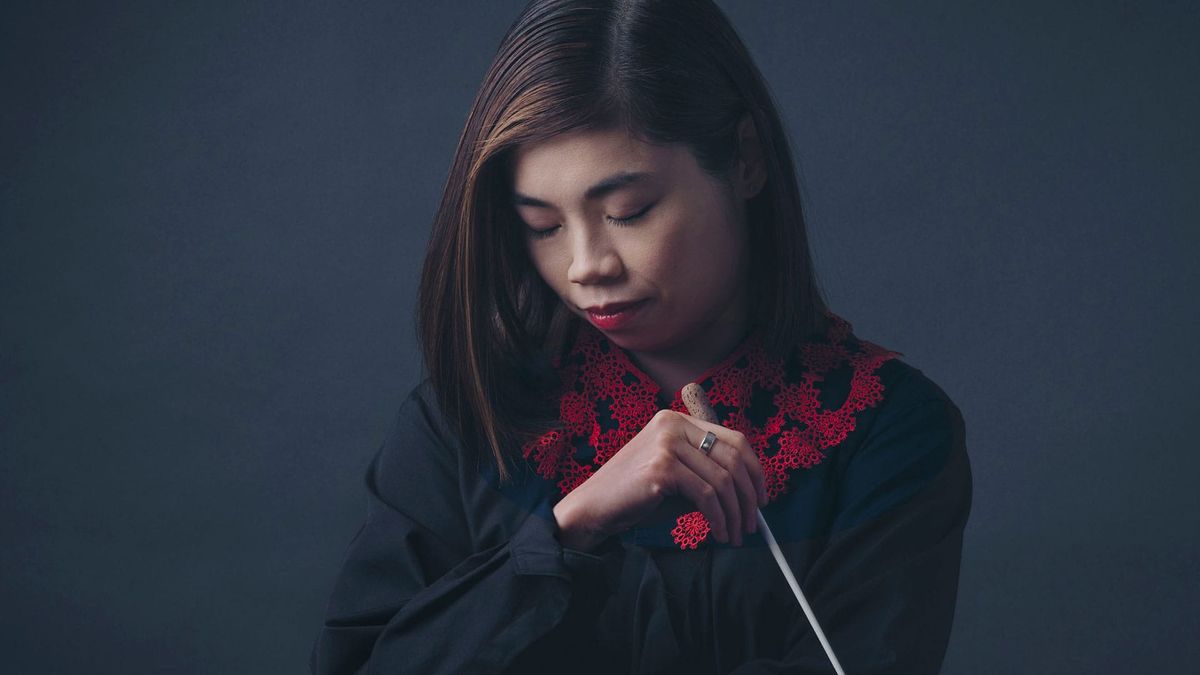
- Elim Chan Named Next SF Symphony Music Director
- Unlimited Potential: Debuting conductor Tianyi Lu
- Remembering Michael Tilson Thomas
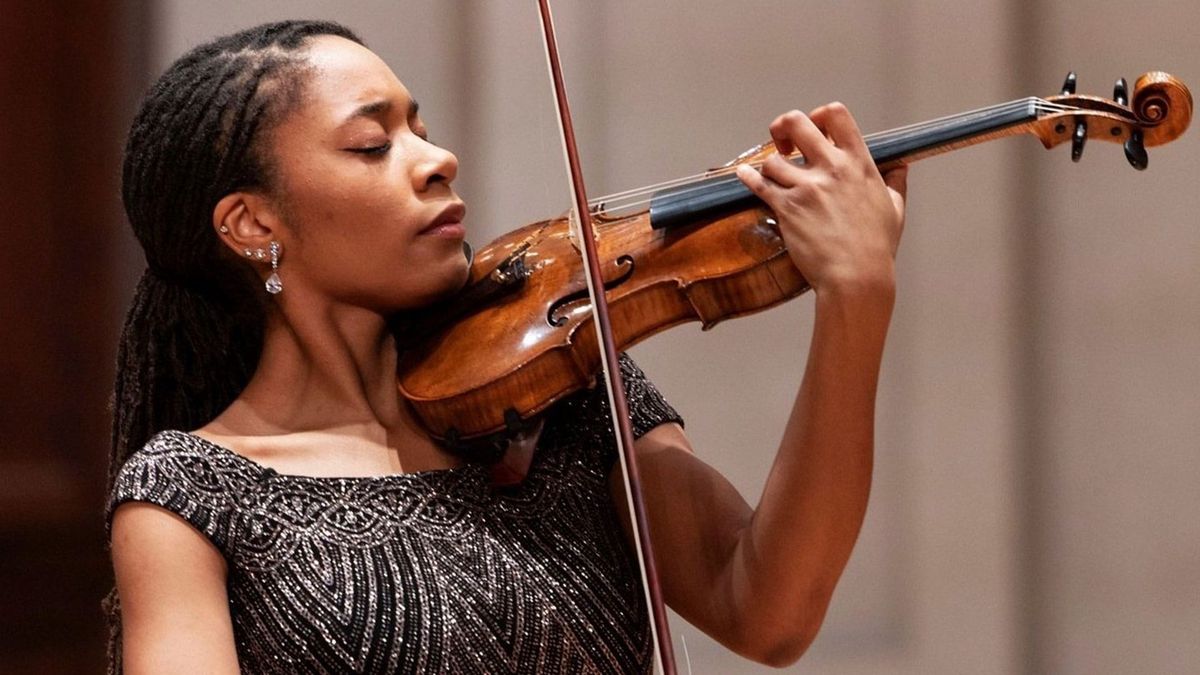
- Four Questions For Violinist Njioma Grevious
- News & Notes
- Community Connections
- In Celebration: Retiring SF Symphony Musicians
- Print Edition
 San Francisco Symphony
 San Francisco Symphony
 San Francisco Symphony
 San Francisco Symphony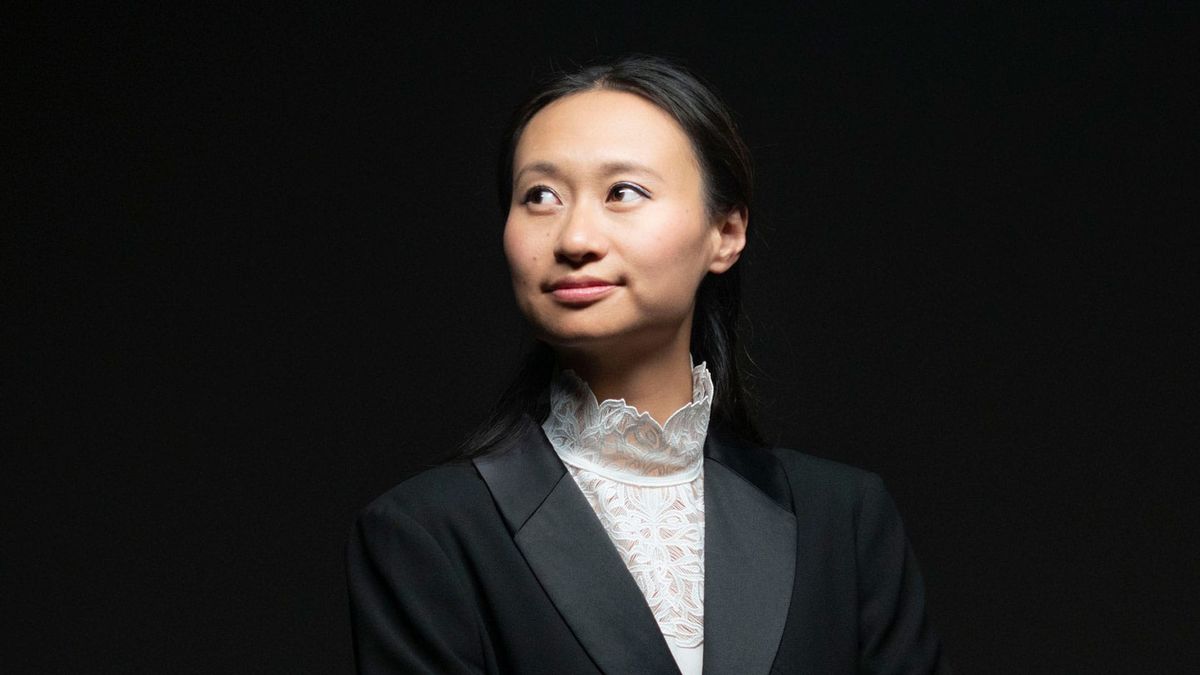
 San Francisco Symphony
 San Francisco Symphony
 San Francisco Symphony
Welcome
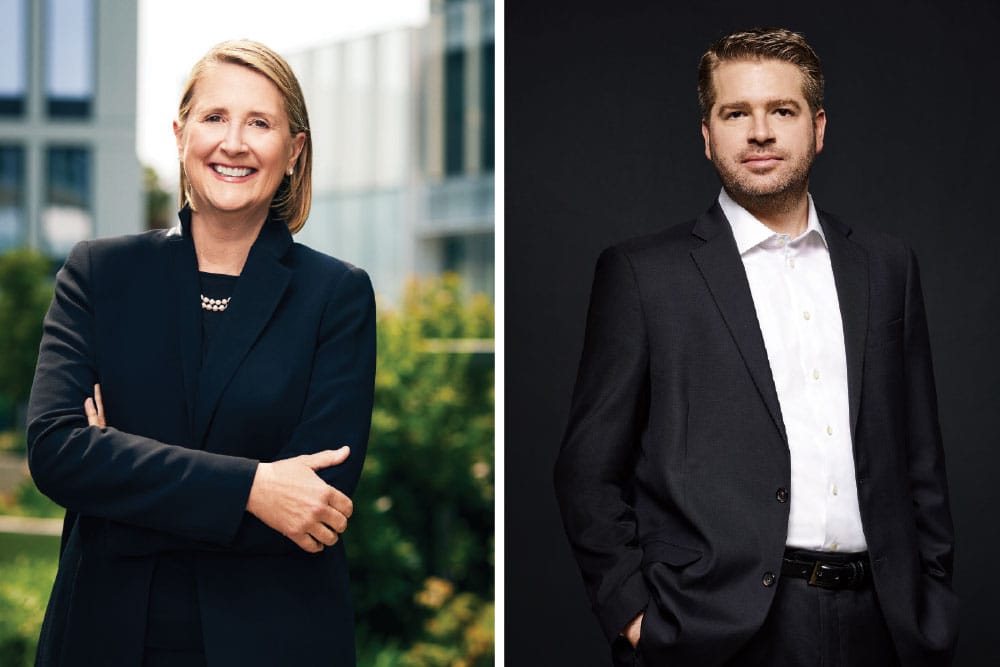
When the San Francisco Symphony began the search for our next Music Director, we were looking for a captivating leader who could guide us into the future while energizing our musicians and community.
With the appointment of Elim Chan, we have found that leader. She is a musician of extraordinary artistry and imagination who both honors the Symphony’s legacy of excellence and embodies the spirit of curiosity and bold reinvention that defines San Francisco.
What makes Elim especially compelling is the way she brings music to life with energy, openness, and a fresh perspective that makes even familiar works feel newly discovered. At the same time, she is deeply committed to the music of our time, championing living composers and expanding what orchestral music can be for today’s audiences.
From our earliest conversations with Elim, her artistry, leadership, and collaborative spirit have felt perfectly aligned with this moment for both our orchestra and our city. Her natural ability to connect with musicians and audiences alike has already been evident in her appearances with the Symphony in recent seasons, and we know those connections will continue to grow in the years ahead.
Happily, we won’t have to wait long. On June 5-6, Elim returns to Davies Symphony Hall—this time, for the first time, as our Music Director Designate. We hope you’ll join us as San Francisco welcomes her to this new chapter, ahead of her official start as Music Director in September 2027.
We feel real anticipation for the road ahead—and we’re glad we get to share it with you.
Priscilla B. Geeslin
Chair, San Francisco Symphony
Matthew Spivey
Chief Executive Officer, San Francisco Symphony
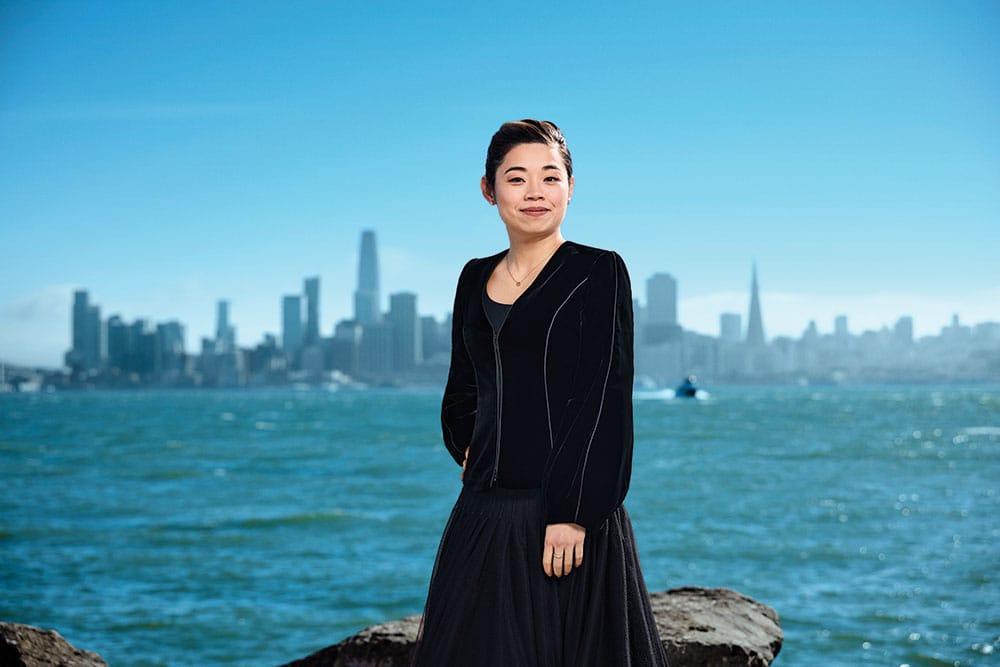
Elim Chan Named Next SF Symphony Music Director
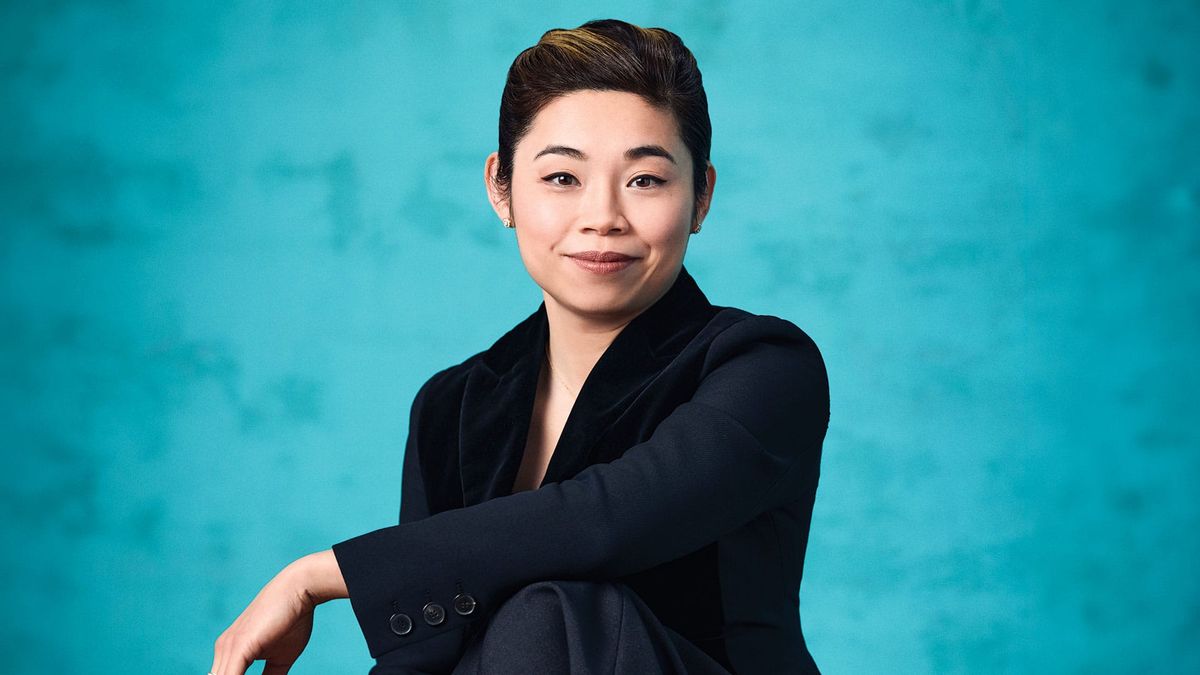
THE SAN FRANCISCO SYMPHONY is pleased to announce that Elim Chan will become the Orchestra’s 13th Music Director, beginning in September 2027. A vibrant and imaginative podium presence, her remarkable career trajectory has seen high-profile repeat engagements across the most important orchestras in Europe and the United States.
Chan returns to the San Francisco Symphony this month in her first concerts as Music Director Designate, conducting a program of works by Berlioz, Wagner, and Debussy, with mezzo-soprano Sasha Cooke.
Reflecting on her appointment, Chan said, “The San Francisco Symphony is one of the truly great orchestras of the world, and I am honored to take the podium as its next Music Director. From my very first encounter with this orchestra, I have been genuinely struck by the generosity of its musicians—exemplified in their sound, their music-making, and in their spirit.”
Learn more about the San Francisco Symphony’s next Music Director.
“This is it. You have to do this.”
Chan grew up in Hong Kong before coming to the United States as an undergraduate to attend Smith College in Massachusetts. While she had long studied music, she was headed toward a career in psychology when she had what she calls a “thunderbolt moment,” conducting a rehearsal of Verdi’s Requiem with her college orchestra and chorus. As she told The New York Times, “I heard this voice that was like: ‘Elim this is it. This is it. You have to do this.’” She switched majors and never looked back, going on to postgraduate and doctoral studies in conducting at the University of Michigan.
A key moment came in 2014 when she became the first woman to win the London Symphony Orchestra’s Donatella Flick Conducting Competition. She apprenticed with Valery Gergiev and Bernard Haitink, before getting a taste of California as a Dudamel Fellow at the Los Angeles Philharmonic. Debuts at leading orchestras worldwide followed, along with posts as Principal Conductor of the Antwerp Symphony Orchestra and Principal Guest Conductor of the Royal Scottish National Orchestra. Most recently, she was appointed Artistic Partner of the Vienna Symphony Orchestra for the 2026–27 and 2027–28 seasons.
“The Real Deal”
Chan made her San Francisco Symphony debut in a January 2023 program, for which she was hailed by Joshua Kosman in San Francisco Chronicle as “a podium presence of both wiry discipline and expressive eloquence,” who “elicited playing of uncommon freedom and communicative directness.” The program included the world premiere of Elizabeth Ogonek’s Moondog, a Symphony commission. Ogonek, whose All These Lighted Things Chan recorded with the Antwerp Symphony Orchestra, is part of a growing group of contemporary composers championed by Chan.
Chan returned to the San Francisco Symphony soon after, leading an October 2023 concert pairing Britten’s Les Illuminations and Holst’s The Planets. Once again, Kosman, writing in San Francisco Chronicle, was effusive, proclaiming her, “the real deal.” An all-Tchaikovsky program, headlined by the Pathétique Symphony, followed in March 2025.
In addition to this month’s performances, Chan takes the podium in October 2026 to lead a program pairing choral works of Brahms and Arvo Pärt, with the San Francisco Symphony Chorus, Mendelssohn’s Violin Concerto alongside Renaud Capuçon, and the first SF Symphony performances of John Adams’s Doctor Atomic Symphony. Chan leads the full Doctor Atomic in her inaugural opera appearances at Zurich Opera House in January 2027.
“Forward-Looking Energy”
Chan is excited by the possibilities that await at the San Francisco Symphony. “The Bay Area has long been the place where the future gets invented. This orchestra carries that same restless, forward-looking energy in everything it does. Stepping into the rich legacy of my distinguished predecessors, it is this exact spirit that I want to nurture and explore every single night, together with these incredible musicians.”
San Francisco Symphony Principal Bass Scott Pingel echoed the sentiment. “Elim’s appointment in San Francisco marks a new beginning in the illustrious history of this great cultural institution, and I look forward to the joy our collaboration will bring to our beloved audiences at home and beyond.”
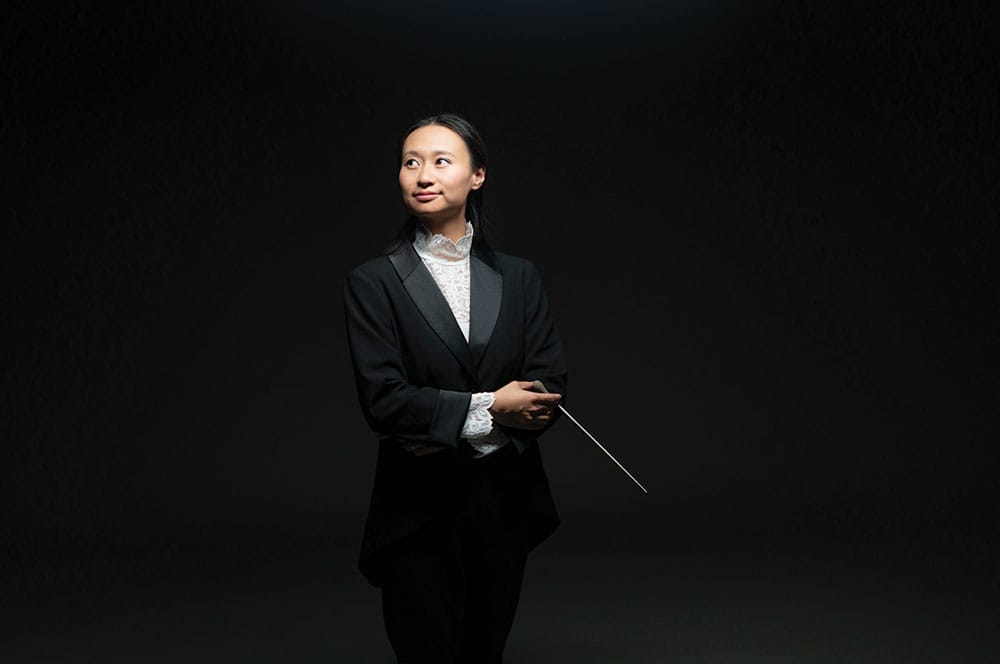
Unlimited Potential
Debuting conductor Tianyi Lu on what conducting means to her • by Steve Holt
Conductor Tianyi Lu was still in her teens when she first felt the pull of the podium. While studying composition at New Zealand’s University of Auckland, an opportunity arose for her to conduct a piece she’d written the year before. The experience was life changing.
“As a composer, I was never very original,” the Chinese-born musician recalled in a recent phone interview. “But when I conducted, I realized I was more interested in bringing other people's musical ideas to life than creating my own. The thrill of being able to create something greater than the sum of its parts, and to inspire and empower others to fulfill their own potential as a group was what made me catch the conducting bug.”
Lu credits several mentors who helped her make the leap from a distant island nation “down under” to leading orchestras at concert halls all over the world. “I guess I just followed my heart. I got quite lucky along the way and had a lot of help from many people.” Her first teacher, John Hopkins at the University of Melbourne, taught her that “humility is the most important quality for a conductor, and that we are servants of the music and the musicians.” Other mentors and inspirations include Andrew Davis, Sian Edwards, Bernard Haitink, and Carlos Kleiber. “His metaphorical use of language, and his mix of sheer joy and detailed precision; that’s probably the most inspiring for me.”
At the moment, Lu’s career is primarily focused on guest conducting.
“I'm sort of yielding to what the universe is giving me right now and just enjoying meeting new people and seeing new places. One day I would love to have a place to build and to develop together with a group of people in a community. When that time comes, I will bring all of myself to it. Right now, I have a not-quite four-year-old, and that's taken up a big chunk of my energy over the last few years!”
This is not Lu’s first trip to San Francisco… or her first experience with the Symphony.
As a teenager, she toured the United States with her high school orchestra from New Zealand and saw the San Francisco Symphony in an outdoor concert. “I just remember being completely inspired and blown away. So it's really special to come back to conduct; 16-year-old me would have had no idea that I would one day work with these great musicians in Davies Symphony Hall. I love the city, and it's really special to make my debut this year.”
In her Symphony debut, Lu will be conducting a San Francisco Symphony premiere, Zhiân, by Iman Habibi, the Iranian Canadian composer and pianist.
Lu noted that the piece was inspired by the Woman, Life, Freedom protest movement that started in Iran in 2022. (Zhiân means “life” in Kurdish and “formidable” in Persian.) “This is Iman standing in solidarity with those brave people. I find that quite inspiring.…I think this work is a very personal take from an individual human being, speaking to the soul of what we all want as humans, which is to be seen for who we are and to be accepted for who we are, without shame or judgment.” She is also drawn to the work’s theme of storytelling, a trait it shares with Rimsky-Korsakov’s Scheherazade, also on the program. “[Scheherazade] needed to use her voice to tell her story and save her own life,” Lu observed.
Rounding out the program is “an absolute masterpiece,” Korngold’s Violin Concerto, with María Dueñas as soloist. Lu noted, “When it was written, some critics claimed Korngold was being too traditional, because he strove for melodic beauty when atonalism and experimentation were highly valued. But he stuck to his voice.” She also looks forward to working again with Dueñas. “It requires extreme teamwork from everybody, but the soloist and the conductor have to be dancing together. Everything is fluid and yet very precisely written so it requires a lot of trust, and a very confident and sensitive approach. I really love the piece.”
As important as her mentors and training have been to Lu’s growth as a conductor, she also has a very non-musical source of inspiration, thanks in part to her roots in New Zealand, where rugby is a national passion.
“I was really struck by an interview with [English rugby legend] Jonny Wilkinson. He talked about his perfectionism and drive, but also his insecurities. At one point, he realized that he had to let go of all his ideas about being the best to find self-awareness.
“I’ve struggled with self-doubt my whole life, but now I accept it as part of what makes me an artist and a human, and I embrace it because it's an opportunity for me to shed more layers and to become who I was meant to be. If you discover that you always have unlimited potential, if you’re truly in the moment, then you can be anything.”
Lu carries over this belief to her work. “For me, conducting has become a journey about life, and how to fulfill one's calling, to expand and to be fully oneself. I find it challenging on so many levels, but it has empowered me to seek what it really means to be a human. For me, that's the most interesting part.”
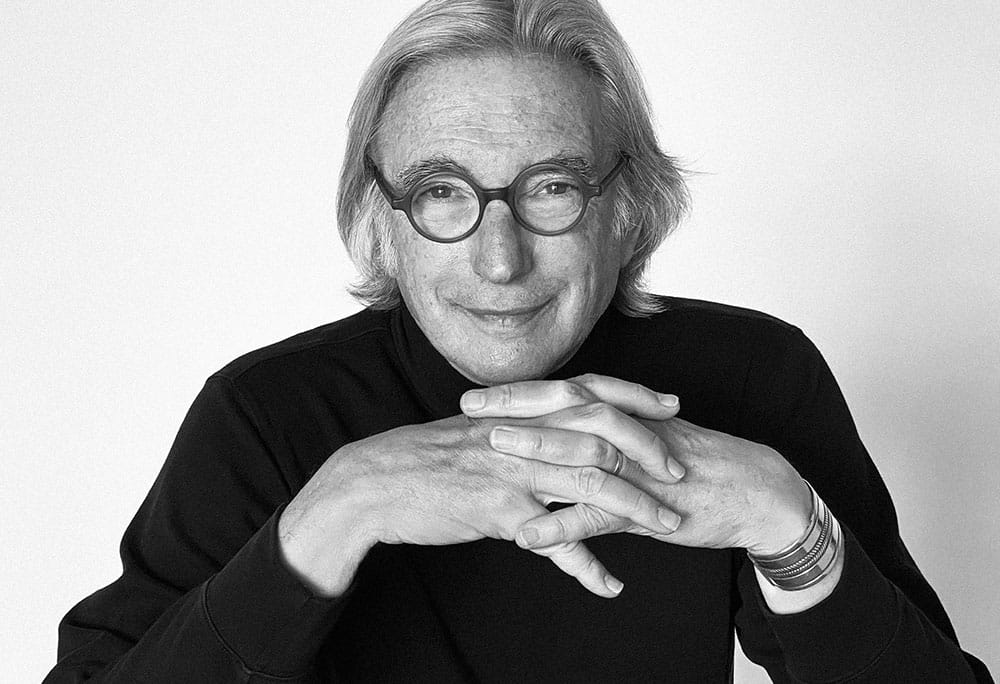
Remembering Michael Tilson Thomas
(1944–2026)
Even as one of music’s elder statesmen, Michael Tilson Thomas embodied youth: eager, seeking, demanding, rejoicing—destined, you would think, to go on with no end in sight. Which makes the loss more difficult to comprehend. MTT died on April 22. He was 81.
Michael Tilson Thomas first conducted the San Francisco Symphony in 1974, at age 29. Five years earlier he had come to national attention when, as assistant conductor of the Boston Symphony Orchestra, he stepped in for conductor William Steinberg at Carnegie Hall. That launched a career with few parallels in this country’s music history. Soon he was spotlighted in recordings with the Boston Symphony—including music of Ives and Walter Piston and Carl Ruggles, announcing what would be a lifelong commitment to American composers. On CBS-TV, he took over as host of the New York Philharmonic Young People’s Concerts from Leonard Bernstein, who in 1971 told The New York Times, “I don't fling the word genius around lightly, but I fling it around about Michael. He reminds me of me at that age …. [H]e's like me in his total embrace of music of any kind, in the voraciousness, the total promiscuity of it.” MTT committed himself as easily to Gershwin as to Beethoven. He accompanied master classes of Heifetz and Piatigorsky and revered Soul legend James Brown.
Dip into his resume and you find he was profiled on PBS’s American Masters, headed ensembles from the Buffalo Philharmonic to the London Symphony Orchestra, was awarded the National Medal of Arts, Kennedy Center Honors, membership in the American Academy of Arts and Letters. A devoted educator, he conceived and led the New World Symphony, which trains graduates of America’s top conservatories for orchestra careers. As the San Francisco Symphony’s longest-serving music director, from 1995 to 2020, he ensured the orchestra consolidated its reputation. His watch saw the launch of the Symphony’s own recording label and the release of many Grammy-winning discs, including an acclaimed Mahler symphony cycle. In Keeping Score, online and via video, he introduced Ives, Mahler, Beethoven, and others. He and the Orchestra toured the country and the world. But it was his concerts here that made all the difference. He led us into new places, even in familiar music, and before the downbeat he offered well-chosen words to help us find our place in what we were about to hear.
Under MTT, everything sounded newly sprung, yet he emphasized the conductor’s role mainly as catalyst. Conductor and musicians, he said, are somehow “able to find a common…human understanding, and together [we] are able to make something wonderful happen which can be shared by other people. That is the center of what it’s all about.” While battling the glioblastoma he knew would end his life, he continued against odds that would have silenced others, as though determined that music should have the last word.
Michael Tilson Thomas offered a model for what a musician’s life can be. He gave San Francisco the orchestra it was meant to have.
In recognition of Michael Tilson Thomas’s extraordinary impact on the San Francisco Symphony and the broader musical world, the Symphony’s Board of Governors has made a founding commitment to establish an endowed fund in his honor that will strengthen the future of the orchestra he shaped so profoundly.
To learn more about supporting the Michael Tilson Thomas Legacy Fund, please contactsupport@sfsymphony.org.
The San Francisco Symphony will dedicate the June 18, 20–21 performances of Beethoven’s Ninth Symphony to Michael Tilson Thomas. Plans for a special concert in celebration of his life and lasting impact will be shared at a later date.
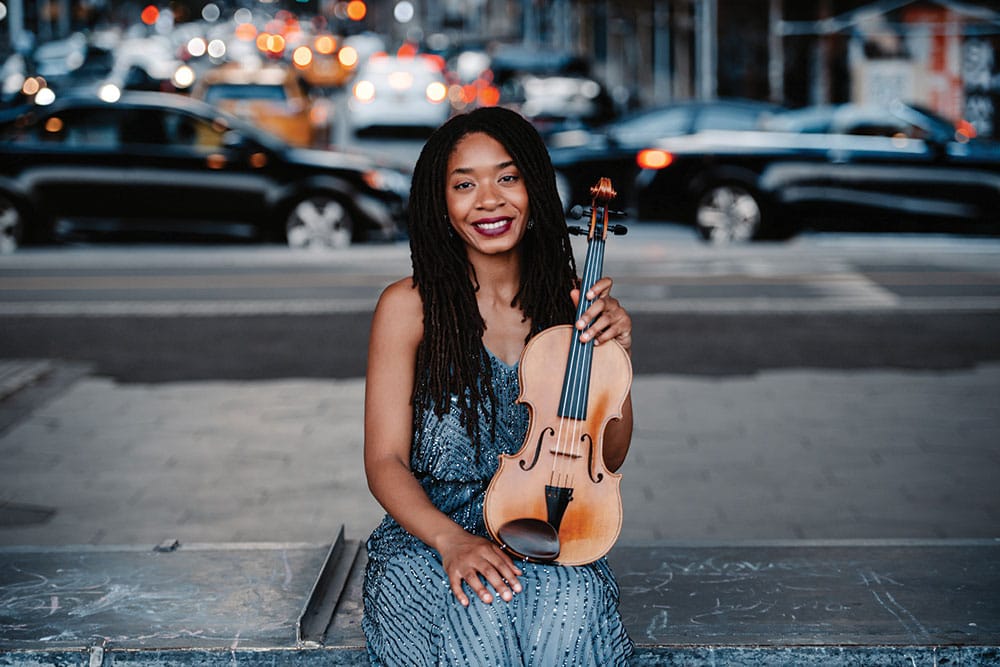
Four Questions For Violinist Njioma Grevious
Tell us a little about what you’re playing in your Spotlight Series recital.
I’m so looking forward to performing this program in San Francisco with my dear friend and collaborative pianist Andrew Goodridge. This program of meaningful pieces to me that spans a little over 300 years, includes works by Electra Perivolaris, Olivier Messiaen, Sergei Prokofiev, Clarence Cameron White, and J.S. Bach. This program truly shows just how versatile in style the violin can be. This excites me! I’m particularly looking forward to sharing Messiaen’s Theme and Variations—a piece that I first heard while abroad in 2019.
What inspired you to pursue a career in classical music?
I was introduced earlier in life and just fell in love with the violin and the collaborative aspects of playing in every sense. I enjoyed learning and playing with my friends and peers on Saturdays in the string training scholarship program I grew up in in Boston. I’m so grateful for the upbringing I had taking music theory classes, ear training, chamber music, youth orchestra, and private lessons. I had the never-ending encouragement and support of my mother, and the village that made this happen. Many teachers and artists influenced me and impacted my desire to make a life in music. One particular teacher, with his knowledge and passion for the violin, was the late James Oliver Boswell IV. He was my private teacher during most of my high school years.
What’s your routine like on concert days?
I wouldn’t say I have any unique rituals, but I do try to sleep in if possible and/or take a nap if it’s an evening concert. I also try to eat well or at least try to avoid being adventurous with my food choices that day! And, of course, warming up within reason. Enough where I feel I’ve checked in mentally and physically, but not so much that I don’t want to play the concert!
What do you like to do outside of music?
I love visiting new places, exercising, including indoor rock climbing (emphasis on indoor…), and spending time with my family and friends. And, if I am lucky, getting to see other arts performances when I’m not performing myself, whether it be a play, musical, or jazz performance. All of these activities give me life and inspire me so much!
Njioma Grevious makes her debut at the San Francisco Symphony in a Shenson Spotlight Series recital, June 3.
News & Notes
Out Now on SFS Media: Mahler Symphony No. 2
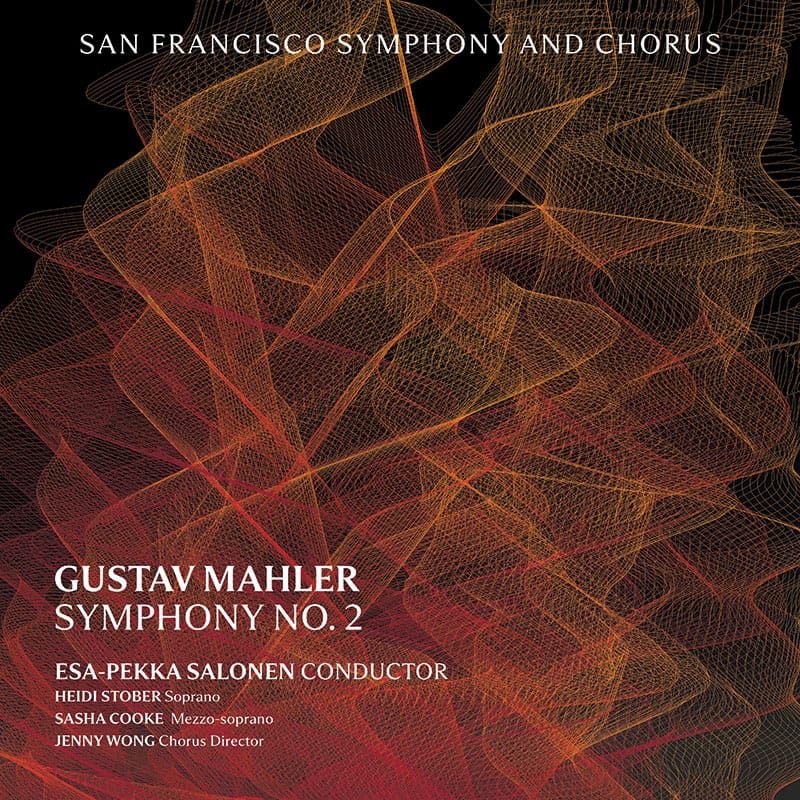
The San Francisco Symphony and Esa-Pekka Salonen have released a new digital-only spatial audio recording of Mahler’s Symphony No. 2 on SFS Media, available exclusively via the Apple Music Classical app. Recorded in June 2025, the release features vocal soloists Heidi Stober and Sasha Cooke and the San Francisco Symphony Chorus. In a review of the performance, The Wall Street Journal remarked, “Never before in a concert hall have I heard this well-known work sound so unflagging, electric and moving.”
Earlier this year, Salonen and the San Francisco Symphony were nominated for a Grammy Award in the category of Best Orchestral Performance for the SFS Media recording of Stravinsky’s Symphony in Three Movements. The Symphony has won 17 Grammy awards, most recently for the Deutsche Grammophon-released live concert recording of Kaija Saariaho’s opera Adriana Mater, conducted by Salonen.
Community Connections
African-American Shakespeare Company
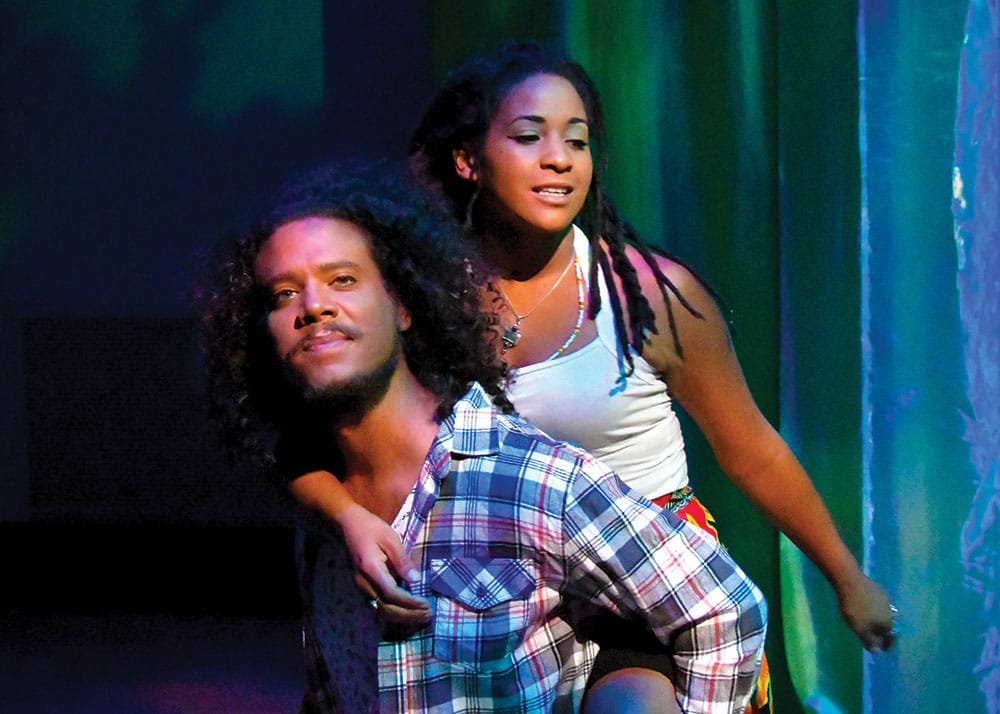
Thirty years ago, African-American Shakespeare Company began as an act of transformation—challenging the norms of the industry and breaking barriers so that actors of color could step into expanded roles. It was about creating opportunities, equity, and recognition. But over time, it has become something even more profound.
Today, it is about shared experiences. It is about storytelling that allows us to see each other fully—to find the common threads that bind us together. Through Shakespeare’s timeless works and our own lived truths, African-American Shakespeare Company creates a space where humanity is reflected in every performance, where voices that have long been overlooked take center stage.
From the annual production of Cinderella to the 2026 premieres of new works like Shakespeare Over My Shoulder and The Brothers Size, African-American Shakespeare Company continues to envision the classics with color. Through The Wiz Jr. camp, young performers are invited to develop their acting, singing and dancing skills through the iconic story of The Wiz, participating in dynamic workshops, rehearsals, and fun activities designed to build creativity, confidence, and teamwork.
African-American Shakespeare Company believes there is nothing radical about representation, and nothing wrong with seeing ourselves in the art that shapes culture. And there is everything right about building a theater that belongs to everyone. Because when we share the stage, we share understanding. And when we share understanding, we begin to truly connect.
For more information, visit african-americanshakes.org/about.
The San Francisco Symphony thrives on collaboration, and we’re proud to work with the most creative, innovative groups and individuals shaping the Bay Area today.
In Celebration
Retiring San Francisco Symphony Musicians
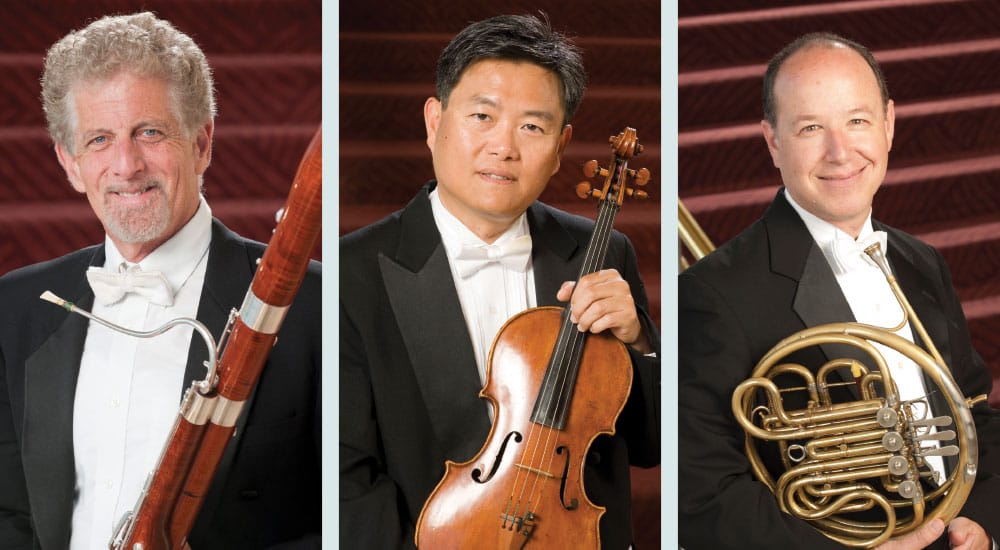
With the close of the 2025–26 season, we bid farewell to three musicians retiring from the San Francisco Symphony.
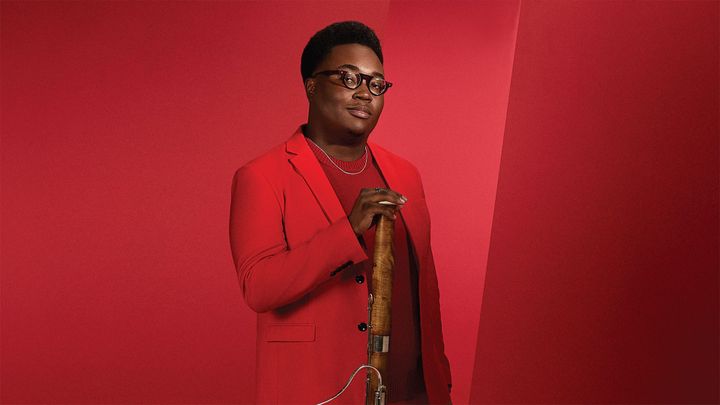
Stephen Paulson served as Principal Bassoon of the San Francisco Symphony for 47 years, from 1977 to 2024, before stepping into the Associate Principal Bassoon role in the 2024–25 season. With the Symphony, he appeared as soloist in Mozart’s Bassoon Concerto on several occasions and was featured in multiple Keeping Score episodes and in the 2022 theatrical concert film of Stravinsky’s A Soldier’s Tale. A graduate of the Eastman School of Music, he served as principal bassoon with the Rochester Philharmonic and co-principal bassoon of the Pittsburgh Symphony. Paulson is longtime professor of bassoon at the San Francisco Conservatory of Music, and he has given master classes at colleges worldwide. Also a conductor, he has served as music director of Symphony Parnassus since 1998. Reflecting on his time with the San Francisco Symphony, Paulson said, “Everybody in this orchestra plays so precisely, and yet with such freedom. To play with people who have such good instincts—who know when to do something and when not to, or when to accompany and when to come out and be free—is an amazing thing.”
Born in Shanghai, Associate Principal Viola Yun Jie Liu joined the San Francisco Symphony in 1993. He began his violin studies with his father, entered the middle school of the Shanghai Conservatory of Music, and was named assistant professor of viola upon graduation. In 1990, he was invited by Mstislav Rostropovich to join the National Symphony in Washington, DC. Liu currently serves on the faculty at the San Francisco Conservatory of Music and regularly gives chamber music concerts and solo recitals in venues worldwide. Considering his life in music, Liu noted, “As a musician, I think the most important thing is to love music and appreciate what we are doing every day. After some years playing in the Orchestra, we might lose some of the excitement; but if we truly love music, it will keep us on stage for a very long time!”
Jonathan Ring joined the San Francisco Symphony horn section in 1991 after holding positions in the Columbus Symphony and the Fort Wayne Philharmonic. A founding member of Bay Brass, he served on the faculty of the San Francisco Conservatory of Music, where he taught horn and coached chamber music. Of his Symphony colleagues, Ring noted, “There are wonderful personalities and musicians in the Orchestra, and there’s a unity of purpose toward making the music as good as it can be. I have been extremely fortunate to have had a career doing what I love and at such a high level for the past 35 years!”
We thank these musicians for their many years of service to the San Francisco Symphony and we wish them well.
Print Edition