In This Program
- Welcome
- Community Connections
- Movement as Metaphor
- A Moment with Principal Cello Rainer Eudeikis
- Meet the Musicians
- Print Edition
 San Francisco Symphony
 San Francisco Symphony
 San Francisco Symphony
 San Francisco Symphony
 San Francisco Symphony
Welcome
Music helps knit together communities and open dialogues. For more than 45 years, Davies Symphony Hall has been a gathering place for organizations and artists from across the Bay Area.
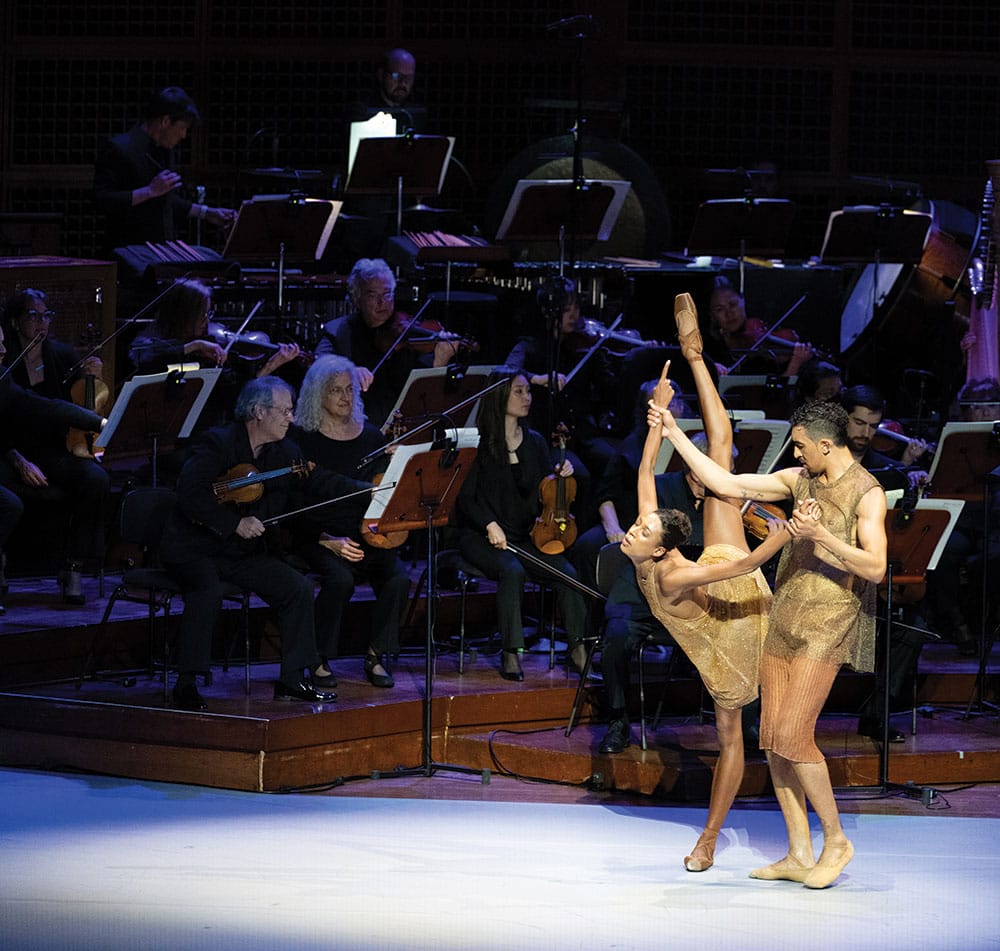
This month we look forward to welcoming San Francisco-based Alonzo King LINES Ballet back to our stage. Our collaborations continue to feel, as Alonzo King said, “both like a homecoming and an evolution of a shared artistic language.” They offer a rich opportunity for creative exchange, showing what can emerge when artists come together to reimagine familiar works.
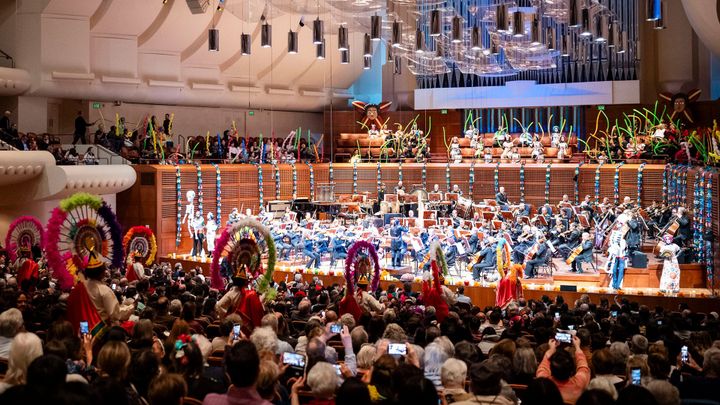
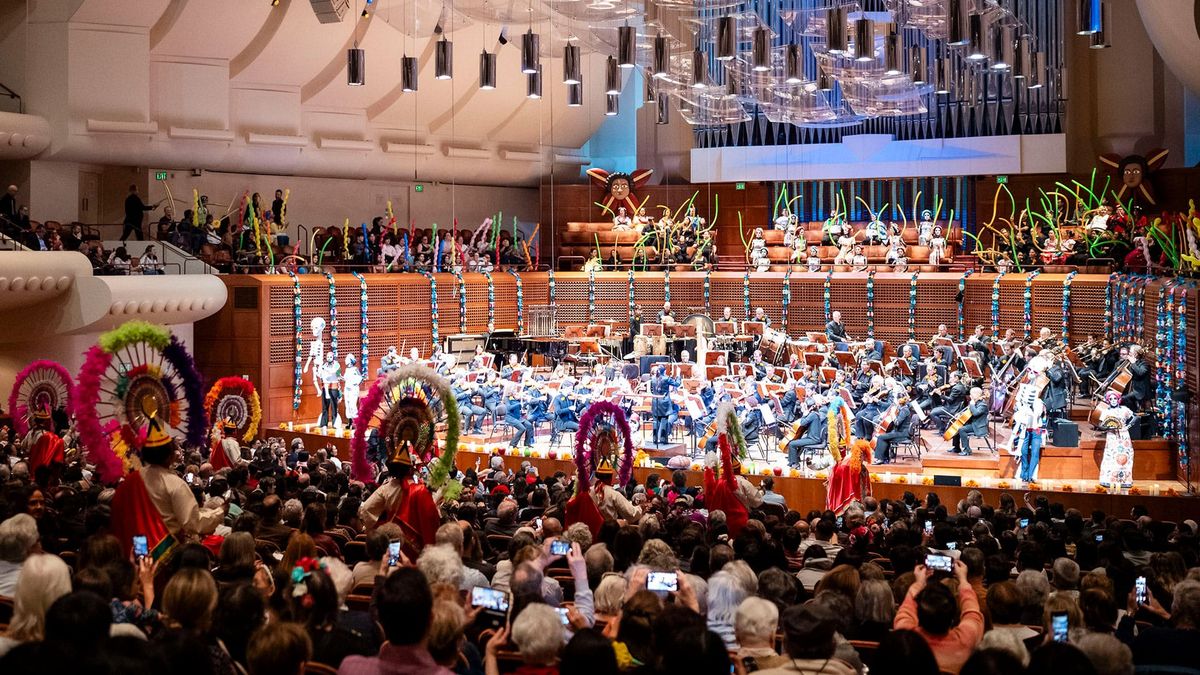
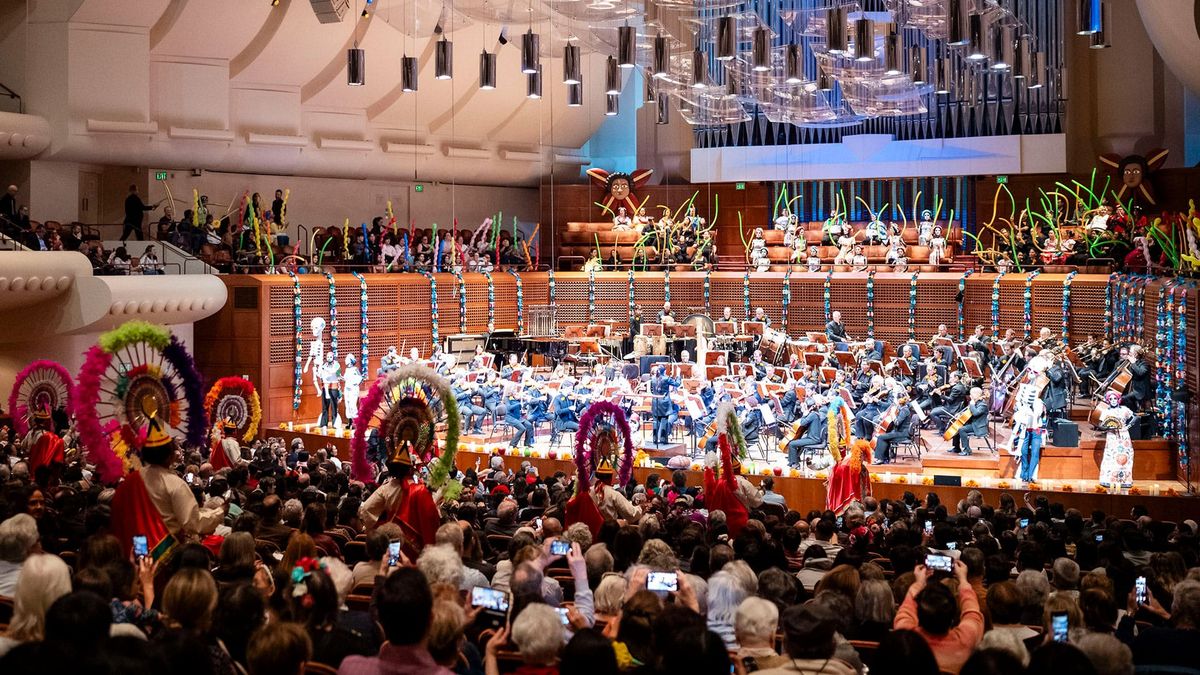
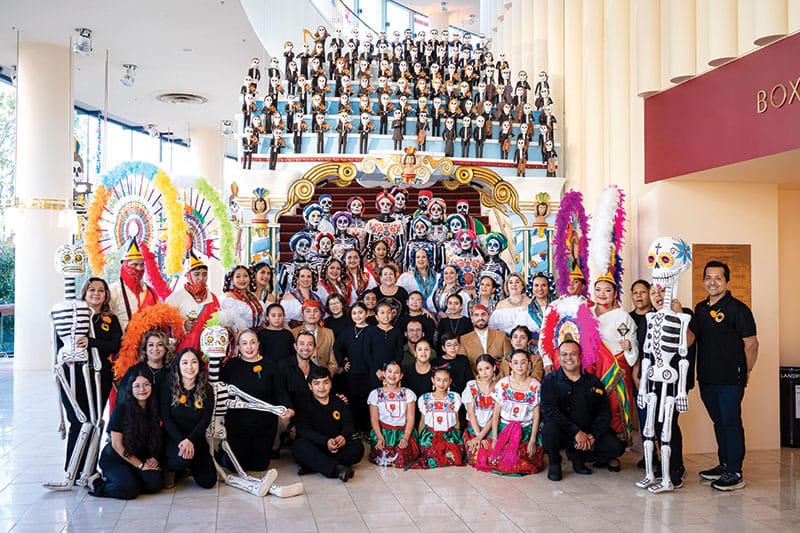
Every fall, our community celebration of Día de los Muertos brings the work of local artists and organizations into our hall through altars and installations created for the occasion. The event would not be complete without our longtime partner Casa Círculo Cultural, whose artistry is woven into both the concert and the broader celebration.
We are proud to be part of such a deeply rooted artistic community and invite you to experience the many ways it comes to life at Davies Symphony Hall.
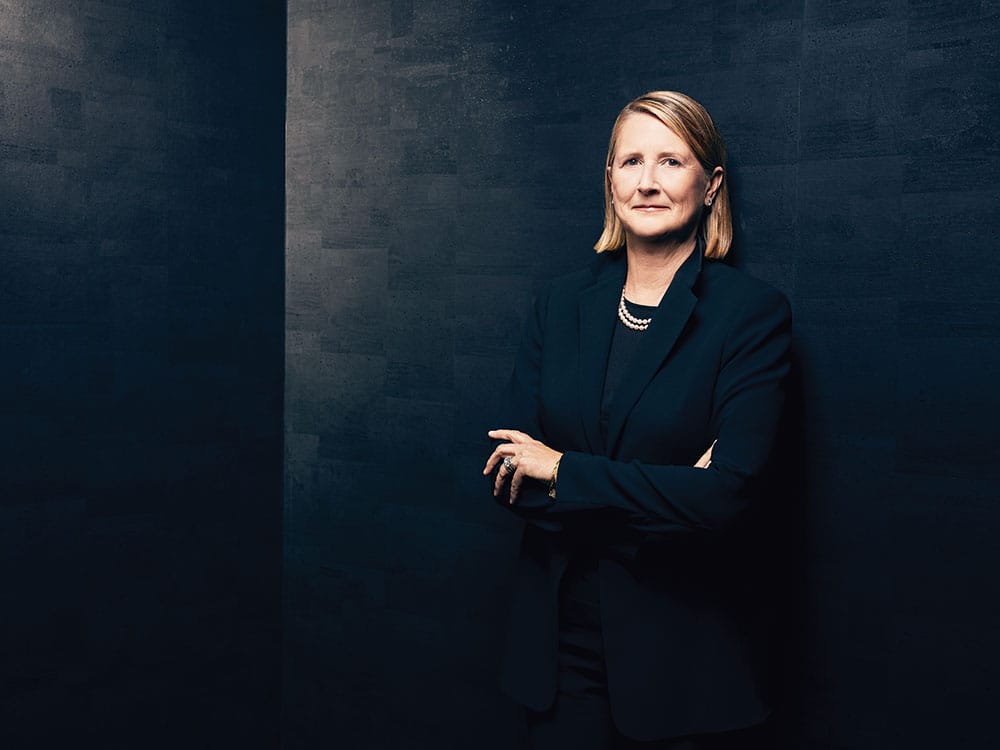
Priscilla B. Geeslin
Chair, San Francisco Symphony
Community Connections
Casa Círculo Cultural
The San Francisco Symphony is honored to partner each year with Casa Círculo Cultural on our Día de los Muertos concert. Women-led for more than 15 years, Casa Círculo Cultural is a grassroots, community-based, multidisciplinary arts nonprofit. They are dedicated to creating cultural programming reflective of the experiences of the Latino communities in the San Francisco Bay Area, while promoting leadership development for the whole family.
Casa Círculo Cultural’s programs inspire creativity through classes in cultural dance styles, music, multimedia, painting, manual arts, and theater, fostering self-expression and artistic appreciation. They educate and empower their community by offering Spanish immersion after-school, Saturday, and summer programs for youth, and educational, vocational, leadership, English language, and civic programs for adults that cater to diverse learning needs.
Casa Círculo Cultural showcases Latin American culture through exhibitions, performances, and social gatherings, promoting cultural exchange, artistic expression, and understanding of social issues. Each year, Casa Círculo Cultural honors and celebrates the Día de los Muertos tradition with beautifully crafted altars, catrinas, live performances, and a thoughtful procession in Redwood City, paying tribute to ancestors and enriching community.
Casa Círculo Cultural returns to Davies Symphony Hall on Saturday, November 7 to delight audience members for the Día de los Muertos concert and exhibit.
Learn more at casacirculocultural.org.
Movement as Metaphor
Choreographer Alonzo King on motion, sound, and expression • by Corinna da Fonseca-Wollheim
One of Alonzo King’s earliest memories is of his mother preparing to go out one evening. She was wearing a dress made of a fabric that whispered at every step, and as its chiffony rustle blended with the sweetness of her voice, he experienced her presence as both motion and sound. “They’re really the same,” he said in a video interview from his San Francisco home, “because you can’t make sound without some kind of movement.”
King is one of the most innovative choreographers in America, dedicated to dance as a form of spiritual inquiry that fuses sound and movement with love. In a workshop that has garnered tens of thousands of views online, he once defined ballet as “a system of law and order that has to do with kindness, benevolence, and symmetry.”
This month, dancers from the Alonzo King LINES Ballet will join the San Francisco Symphony for a new staging of Copland’s Appalachian Spring and Debussy’s Prelude to the Afternoon of a Faun, their fifth project together since 2020. In previous collaborations, King has reached far afield to work with Shaolin monks, Baka hunter-gatherers from the Congo Basin, or with the tabla virtuoso Zakir Hussain for a Scheherazade that reimagined Rimsky-Korsakov’s tunes on Persian instruments.
King’s work often reflects his ongoing efforts to integrate East and West, which he says are complimentary qualities inherent in every human. “That’s the beauty,” he said. “It’s in us. It’s left brain, right brain. It’s logic and feeling.” The power of dance, for him, lies in its ability to bring out the inherent wisdom of the human body. Alignment is not just an aesthetic goal or muscular challenge. It models balance in a world that teeters between unhealthy extremes.
“We know that on the lowest level, logic can be humdrum, predictable, stuck,” King said. “On the lowest level, feeling can be indulgent, illegible—you know: muck.”
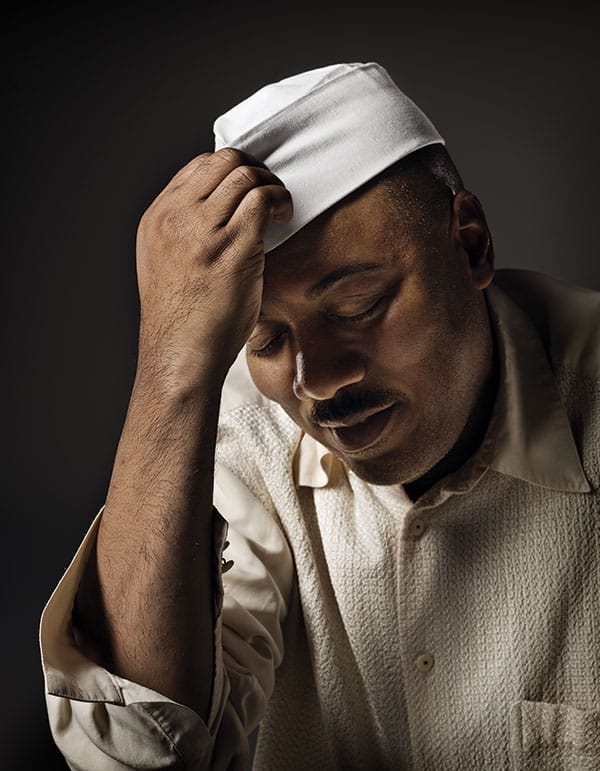
King’s engagement with Indian philosophy goes back to his childhood in Georgia. His parents were Civil Rights activists, his father a leader of the Albany Movement and a committed disciple of Gandhi’s principles of nonviolent protest. King remembers visits from Martin Luther King and Malcolm X, as well as from friends from Ethiopia, Ghana, and Senegal who brought with them their own music that blended with the recordings of Bach, Beethoven, and Wagner, which his parents, who had met in the choir at Fisk University, loved to play. In church, he sang in the choir, feeling himself drawn to “all the beautiful chorales that had that Gregorian chant in them, which actually spoke of the East as its origin and how deep and profound that was.”
One room in the home was dedicated to yoga, which King’s father practiced. He would invite the children to observe, quietly, for five minutes at a time. With his brother and sister, King said, he would “go in and imitate lotus posture, and we’d look at each other and giggle and try to be quiet. And then after what we perceived to be five minutes, we would tiptoe out.” He said these early encounters planted the seed for his own lifelong engagement with meditation and spiritual study. “As contradictory as it may seem for someone who grew up a mover,” King said, “stillness is the doorway to peace. A body that’s not flinching, a body that you don’t scratch when you feel an itch, a mind that isn’t restless—that’s the door to the Divine.”
In King’s choreographies, every movement is metaphor. When rehearsing with dancers, he speaks of arms as antennae that receive and give information and of the heart as a sun that should radiate warmth. Extensions might speak of the human yearning for eternity; a spiral might be the head chasing the tail. Ballet, he once said, is a treatise on how to lead a complicated life.
For his company, he hires dancers as much based on character as on their athleticism. A signature of his style is an uncanny quality of simultaneous fluidity and calm, with limbs that seem to unfold like a natural process, with inevitability and ease. Lines morph into waves as arms stretch and undulate.
“They really begin to see it as an instrument,” King said of his dancers’ relationship to their bodies. “They begin to work it as a violin, as a piano, as a harpsichord. It’s music. And what’s really playing that instrument is the mind and the heart. And as you’re playing, whether it’s choreography or as a composer, you’re trying to find the essence of the communication, the ideas that are behind the music or the choreography. And you want them to inhabit you so that they’re clear.”
In a work like Appalachian Spring, King’s choreography is not so much about telling stories, as it is about teasing out what he sees as the work’s underlying metaphysical truths. And, as always, the key lies in the symbolism of the body itself.
As an example, he cites the princess in Sleeping Beauty, from Ravel’s Mother Goose, which he choreographed with the San Francisco Symphony in 2024. “What is that if it’s not all of us who are walking around in some state of unconsciousness? And we’re awakened by the magic wand—which is the spine, which means willpower—into a larger consciousness.”
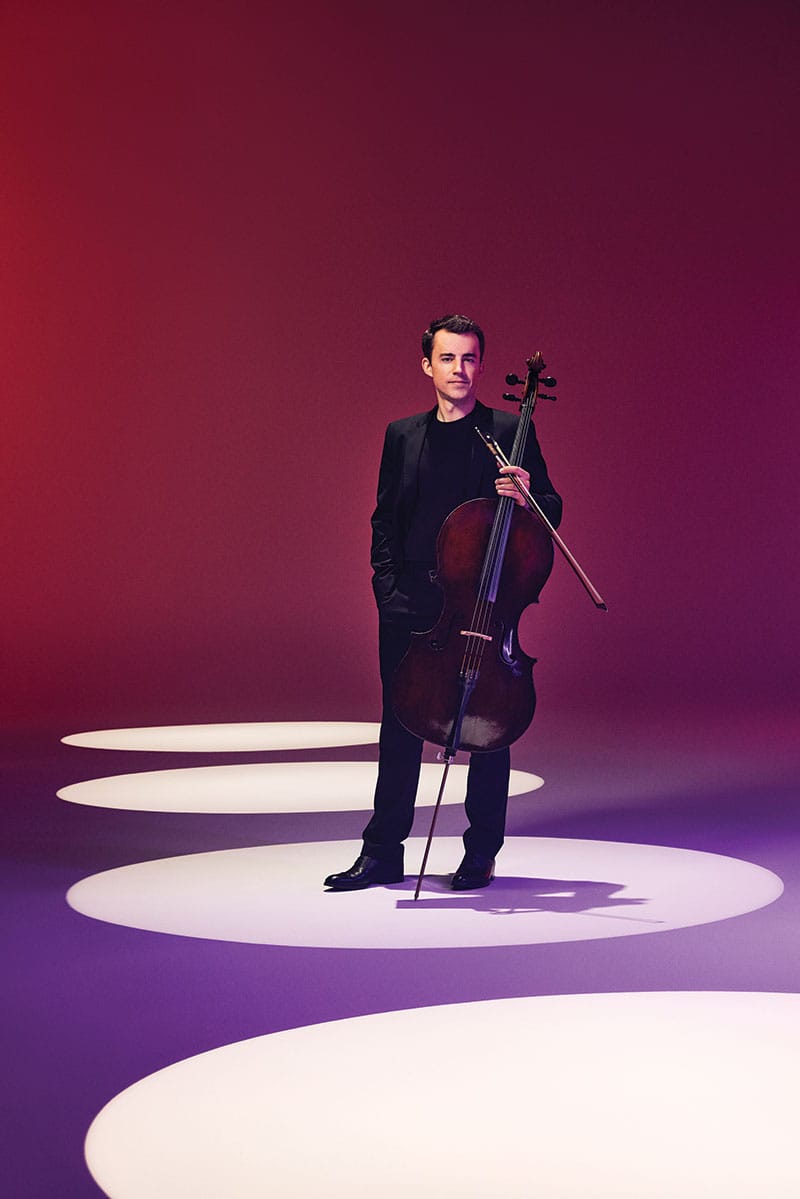
A Moment with Principal Cello Rainer Eudeikis
How did you begin playing the cello?
I started when I was six years old. My mom is a professional clarinetist who grew up in Texas public school band programs but always wished she had played a string instrument. When I reached an age where it was time to start playing something, she planted the idea in my head that I’d play the cello. I’m sure it seemed like my idea at the time!
What are the responsibilities of the principal cello?
I’m a member of the cello section first and foremost, but my responsibility is to be a leader and to advocate for us all. I facilitate the often unspoken communication from the conductor and other sections to the rest of the cello section, and I do my best to keep everything flowing and in sync.
Tell us about what you’re playing this month.
Prokofiev’s Sinfonia concertante has everything: technique-bending virtuosity, melodies that move you, and masterful writing that showcases the soloist and the orchestra. For me, it’s a musical Mount Everest that I’m thrilled to climb alongside my colleagues in the San Francisco Symphony.
Meet the Musicians
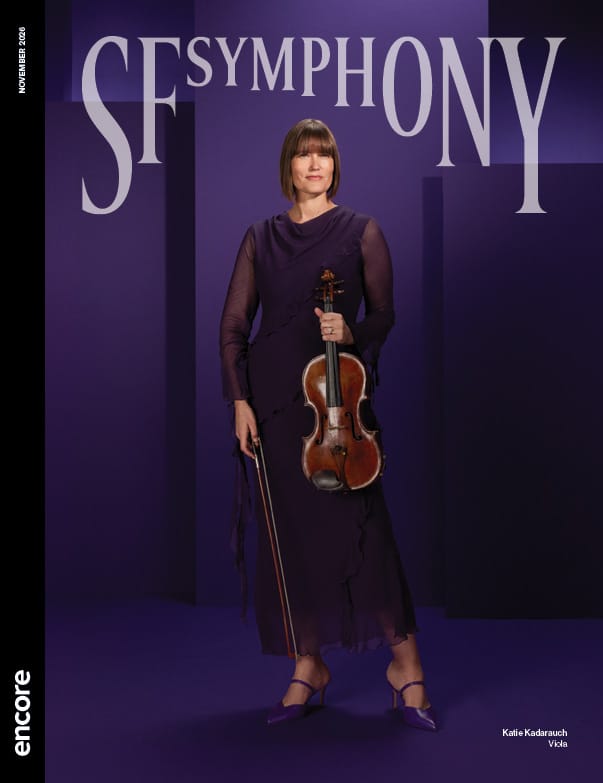
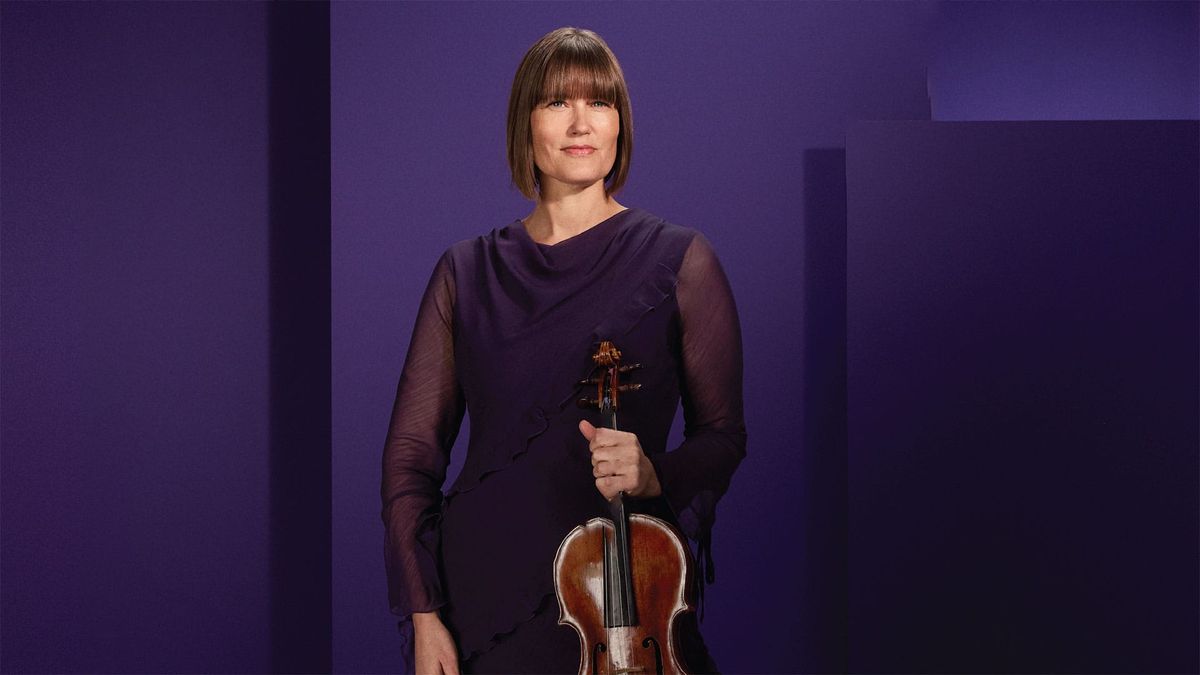
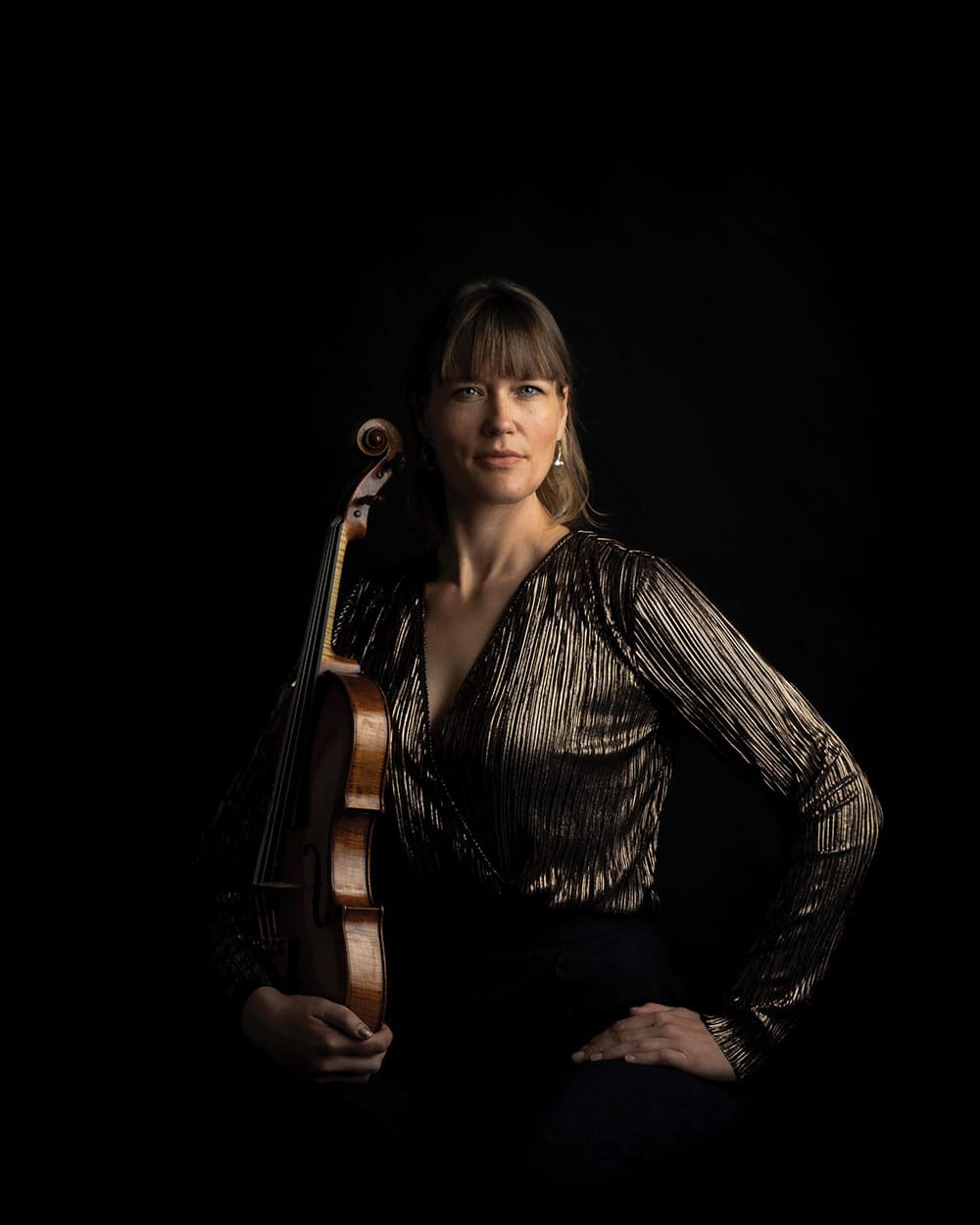
Katie Kadarauch • Acting Associate Principal Viola
Katie Kadarauch joined the San Francisco Symphony in 2007 as Assistant Principal Viola and is currently Acting Associate Principal.
What was your first concert with the SF Symphony?
My first performances here were during the final stages of my audition to join the orchestra, and it was Mahler’s Seventh Symphony. Part of what made that week so special was meeting my future colleagues and realizing in real time the degree of care and authenticity that goes into each performance from everyone.
How did you begin playing the viola?
Oddly enough, viola came fairly late in the game, around age 14. As the child of musician parents, I was taking piano lessons by the age of five with violin soon following after, and then cello lessons for several years. But I kept searching for something that felt different than what I had. After my mother handed me her viola to try, I immediately felt the resonance and warmth of the instrument, and liked the way it made me feel connected. There is something undeniably beautiful about the instrument finally choosing its musician, and I joke very seriously that the viola found its way to me.
What were your next steps in becoming a professional musician?
Joining the San Francisco Symphony Youth Orchestra at age 14 (in my newfound identity as a violist) was my first big stepping stone that lasted four years. This secret musical life away from the high school norms included regular and rigorous rehearsing on Saturday afternoons, weekly sectionals and lessons with SF Symphony musicians, multiple concerts per year on the Davies stage, and two tours of Europe in beautiful concert halls. Having unlimited access to SF Symphony live performances on weekends was also thrilling and inspiring! By this time I had adopted a more intentional frame of mind: “Ok, not only do I love this, I think I love it so much that I must continue this path for life.”
I did my undergrad at both the Cleveland Institute of Music and New England Conservatory, and graduate studies followed in Los Angeles at the Colburn School. During this time I started to freelance with the LA Philharmonic and in the recording studios for film scores. Preparing for auditions required a certain type of grit and solitude for extended stretches of time, so being able to openly live my dream job and share that experience with others has been the greatest joy of my life.
Do you have a pre-concert routine?
I do, and it usually includes a warm latte from Rad Radish as I arrive early to Davies Hall to practice! There’s many difficult and challenging parts that go into a successful performance, so going over these spots beforehand always gives me an extra chance to stay locked in after I head out to the stage.
What kind of viola do you play?
My viola, on generous loan from the SF Symphony, was made by Dutchman Pieter Rombouts in the 1720s, so it’s about 300 years old. I’ve played on it for almost 10 years, and it’s truly a gorgeous instrument. I also own a Dutch-Italian viola that’s quite sweet, and it saw me through my earlier years here at the Symphony.
What other musical activities do you have?
Every August I play in the Classical Tahoe Music Festival in Incline Village, which is such a stunning backdrop for all the outdoor chamber concerts. Next summer I’ll also be at the Spoleto Festival in Charleston for a week of chamber music performances, which has me really excited on many levels.
What do you enjoy outside of music?
I have an 11-year-old son who loves to challenge me at chess, so our time together includes lots of games, walks, and anything basketball-related. I love weightlifting, hiking or walking through San Francisco with my friends after brunch, reading, and of course the fantastic restaurant scene when I can get a scarce Friday night off!
Print Edition